New Supreme Leader Khamenei Declares US Defeated in Regional Conflict
In a defiant address marking "Persian Gulf" day, the new Supreme Leader reaffirmed the protection of Iran's nuclear and missile capabilities as non-negotiable national assets while the US seeks to reopen the critical energy chokepoint.
Ayatollah Mojtaba Khamenei, Iran's newly appointed Supreme Leader, delivered a stark assessment of the regional security landscape on Thursday, asserting that the United States has been defeated in its war against the Islamic Republic. Speaking on state television to mark the annual national celebration of "Persian Gulf" day, the Supreme Leader declared that the only legitimate place for American forces in the region is "at the bottom of its waters". This rhetoric marks a significant escalation in diplomatic tone following his appointment on 9 March, which came after his father, Ayatollah Ali Khamenei, was killed in an attack on 28 February.
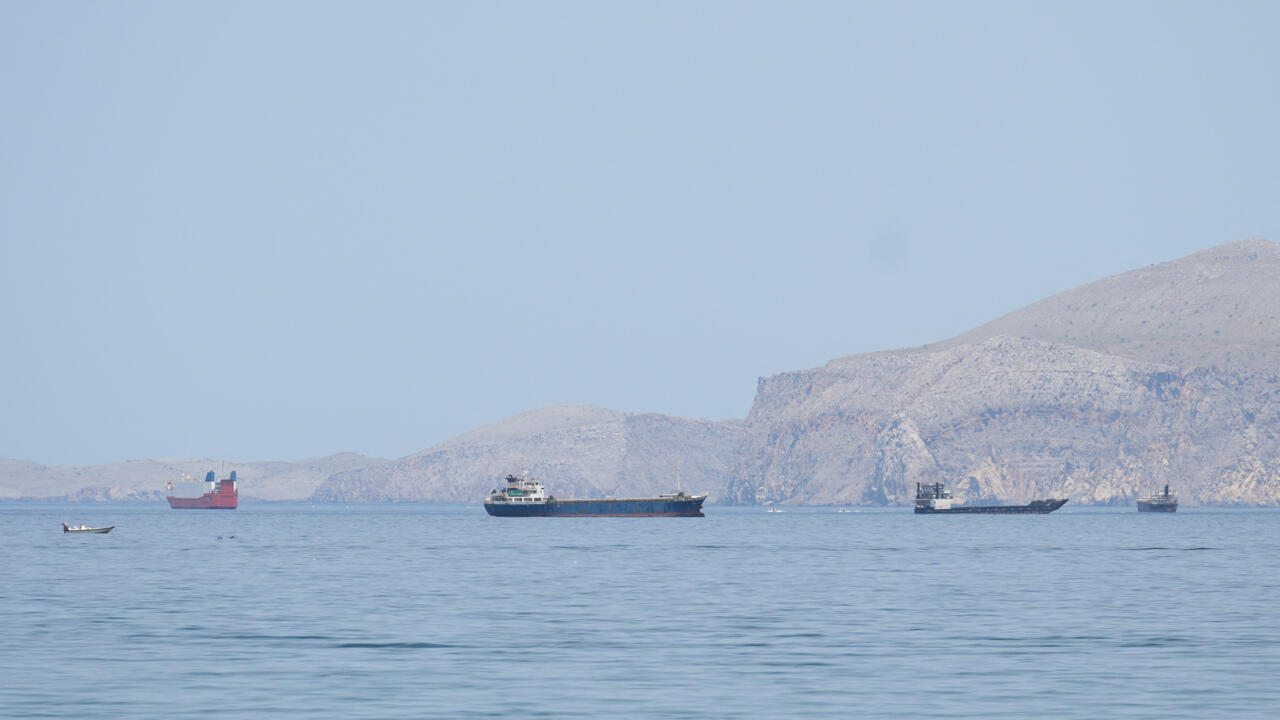
The new Supreme Leader, who was reportedly wounded in the same attack that claimed his predecessor's life, emphasised that a new chapter is unfolding for the Persian Gulf and the Strait of Hormuz. Khamenei stated that US bases in the region lack the capacity to ensure their own security, let alone provide hope for securing allies. He positioned Iran's control over the strategic waterway as a means to bring comfort and progress to neighbouring nations, despite international concerns regarding the status of the strait.
These remarks arrive as the United States maintains a naval blockade on Iranian oil tankers, a measure aimed at halting exports and depriving Tehran of crucial revenue. The economic pressure is evident in global markets, with Brent crude trading as high as $126 a barrel due to supply concerns. In response to these tensions, US President Donald Trump is weighing a new plan to reopen the strait. This proposal involves coordinating with allies to impose higher costs on Iran's subversion attempts while continuing the blockade, a strategy designed to force Tehran to shut off production if it has nowhere to store its oil.
Khamenei's address served as a firm pledge to protect Iran's nuclear and missile capabilities, which President Trump has sought to curtail through air strikes and wider diplomatic deals. The Supreme Leader described these capacities, ranging from nanotechnology to missile programmes, as national assets that will be protected just as the country protects its waters, land, and airspace. He explicitly stated that these elements would not be traded away, reinforcing the hardline stance that has characterised the region's recent geopolitical friction.
The internal situation in Iran remains volatile, with the Supreme Leader's message coming amidst reports of further executions. Iran announced the hanging of a 21-year-old man, Sasan Azadvar, for allegedly cooperating with the enemy during recent nationwide protests. The UN Human Rights Chief, Volker Turk, reported at least 21 executions since the start of the conflict on 28 February, including nine related to protests and ten for alleged opposition group membership. This crackdown has intensified following the broader regional conflict, drawing criticism from rights groups who note the lack of due process in closed-door trials.
Diplomatic efforts to de-escalate the situation are ongoing, with Pakistan stating it is facilitating indirect talks between the US and Iran. Islamabad remains open to direct communication between the two sides, suggesting that real-time conversations could ease sticking points. However, the immediate future of the Strait of Hormuz remains uncertain, with Gulf Arab nations, particularly the United Arab Emirates, condemning Iran's charging of ships for transit as akin to piracy. The Supreme Leader's assertion of dominance over the waterway stands in direct contrast to the view held by many international observers that the strait is an international waterway open to all without tolls.