New immune structures found in skull bone marrow, challenging brain defence models
A study published in Nature identifies lymph node-like hubs in mouse skulls that respond to brain tumours, suggesting the skull plays an active role in immune defence rather than acting solely as a protective shell.
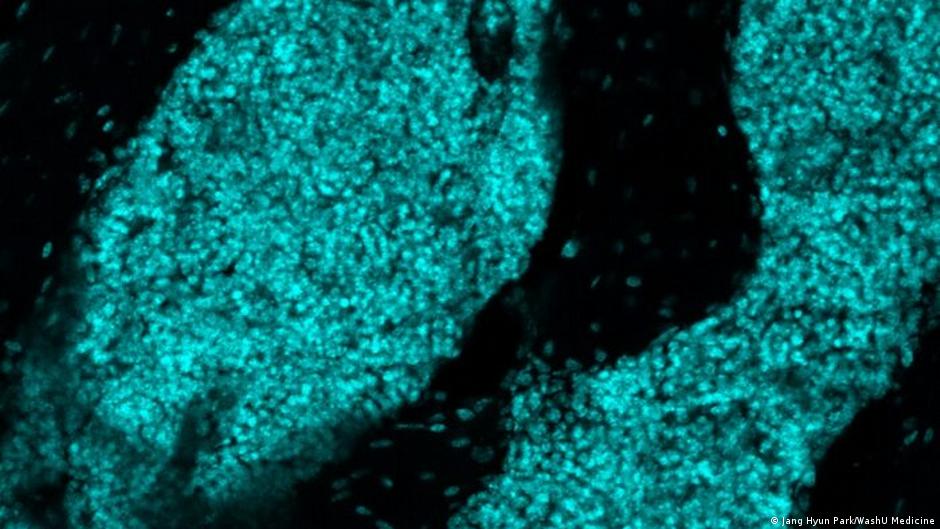
Researchers at Washington University School of Medicine in St. Louis have identified previously unknown immune structures in the bone marrow of mouse skulls. Published in the journal Nature, the study reveals that these lymph node-like hubs respond to brain tumours before more distant lymph nodes in the neck do. The findings suggest the skull may play an active role in defending the brain, challenging the traditional view of the brain as immune-privileged.
The discovery involves organised clusters of B cells and T-cells within the skull bone marrow. In experimental models, disrupting these structures in mice with glioblastoma, an aggressive brain cancer, accelerated tumour growth and reduced survival. Conversely, stimulating the skull marrow with immune-boosting proteins helped treated mice reject tumours more effectively. Senior study author Jonathan Kipnis noted that the skull contains specialised immune environments capable of responding locally to changes within the brain.
This finding builds on previous work by the same laboratory, which identified lymphatic vessels in the membranes surrounding the brain and channels connecting them to the skull bone marrow. Historically, the brain was described as immune-privileged due to the blood-brain barrier, which tightly controls what passes from the bloodstream into brain tissue. The new research indicates that the brain communicates continuously with the immune system through these adjacent structures, allowing for a faster and more specialised response than the shared lymph nodes in the neck.
However, the study comes with significant caveats regarding human application. While similar immune cells were found in human skull marrow, their specific organisation and function in humans remain unproven. Kipnis cautioned that the human evidence is preliminary, stating that researchers have not yet demonstrated that these structures are organised or function in the same way as those in mice. Marco Prinz, a neuroimmunologist at the University of Freiburg who was not involved in the study, described the discovery as a milestone but stressed that confirming their function in humans is the major challenge.
The potential implications of these findings extend beyond cancer to other brain diseases with an immune component, such as Alzheimer’s and Parkinson’s. Prinz noted that the structures may be especially important in conditions where the blood-brain barrier becomes leaky, such as infections and tumours. For treatments targeting these structures to become viable, researchers must first confirm their organisation in humans and determine how to manipulate them without causing harmful inflammation.