New Caledonia remains fractured two years after electoral roll riots
As tensions between Kanak independence supporters and loyalists persist, local leaders in Bourail attempt to rebuild trust while residents in other regions face ongoing hardship and fear of renewed conflict.
Two years after the 2024 riots that shook New Caledonia, the French overseas territory continues to grapple with the profound consequences of violence sparked by a proposed expansion of the electoral roll. The unrest, which reignited decades-old tensions over the territory’s political future, resulted in fatalities, including the deaths of two young Kanak men killed by officers from France’s elite GIGN tactical unit in Saint-Louis.
The proposed reform, intended to broaden the electorate, was viewed by many Kanaks as a threat to dilute the Indigenous vote, while loyalists argued it was a necessary democratic adjustment. This fundamental disagreement over the territory’s political trajectory has left deep scars, with competing visions of the future continuing to shape daily life across Saint-Louis, Mont-Dore, Nouméa, and Bourail.
In Saint-Louis, the atmosphere remains complex. Dimitri Qenegei, who was imprisoned during the unrest before later being exonerated, reflects on the loss of friends who died pursuing the cause of an independent Kanaky. Nearby in Mont-Dore, the physical toll of the violence is still evident. Business owner David Guyenne watched his family’s shopping centre burn during the riots, yet he has chosen to stay and rebuild, despite the destruction.
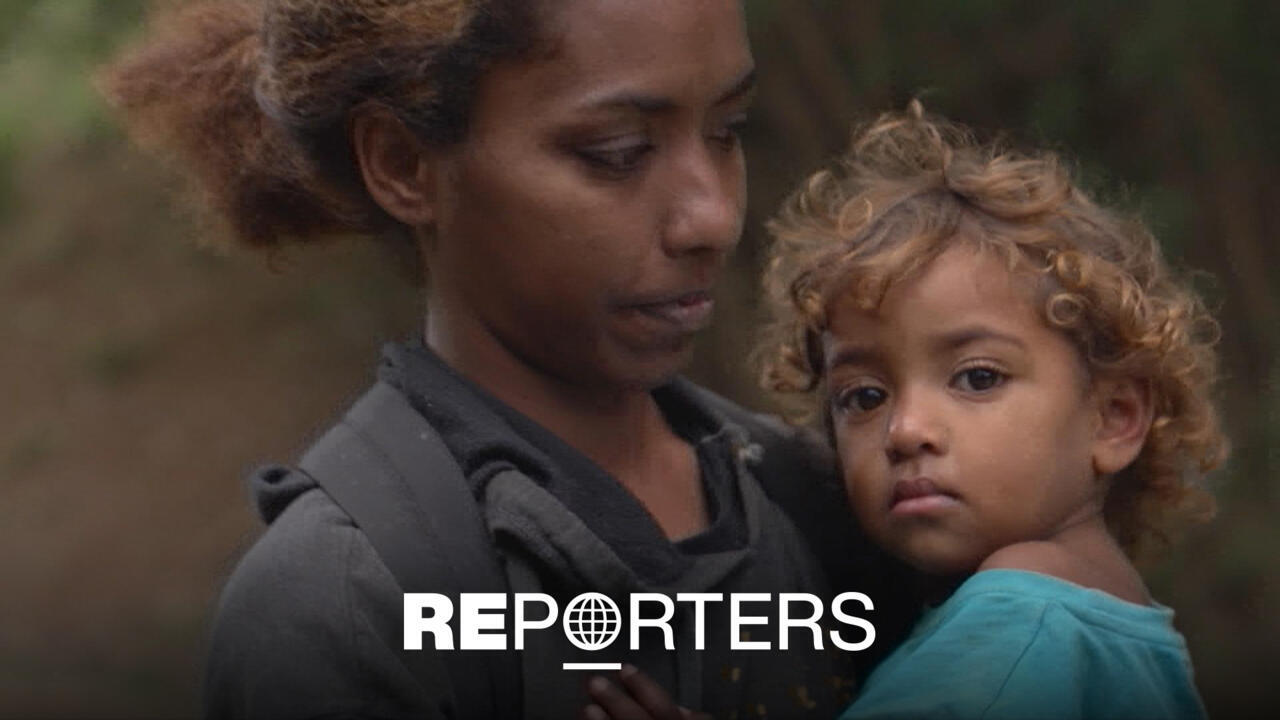
The divisions extend beyond political ideology into the realm of basic living standards and identity. In Nouméa’s informal settlement of Tindu, resident Elodie is raising her children without access to running water or electricity, stating she has never felt French. Conversely, in the rural interior, Ghislain Santacroce, a descendant of Corsican penal settlers, fears the territory is heading towards another cycle of conflict similar to the unrest of the 1980s, worrying about the implications of a future outside France.
Despite these entrenched divisions, there are nascent efforts toward reconciliation. In Bourail, the mayor and Kanak customary leaders are working to rebuild trust and foster coexistence. Their dialogue suggests that while the shared future envisioned by the peace agreements of the late 1980s remains unrealised, the possibility of bridging the divide persists through local engagement.