Netanyahu’s reelection bid shapes Israel’s shifting diplomatic stance
Expert analysis suggests the Israeli government is prioritising security over international opinion, while a growing focus on Turkey signals a long-term strategic shift.
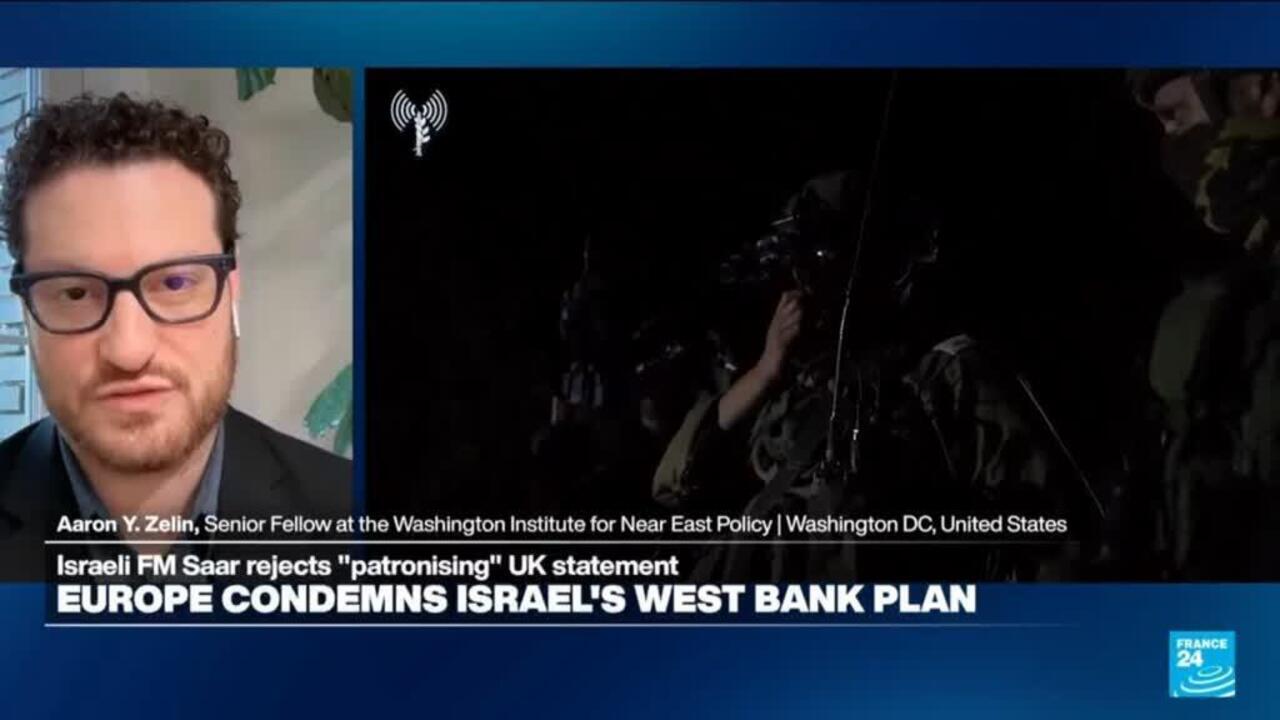
The Israeli government has adopted a posture of increasing indifference towards international opinion since 7 October, according to Dr Aaron Y. Zelin, Senior Fellow at the Washington Institute for Near East Policy. Zelin argues that Jerusalem is now prioritising its defined security interests, even as it faces growing diplomatic isolation on the global stage.
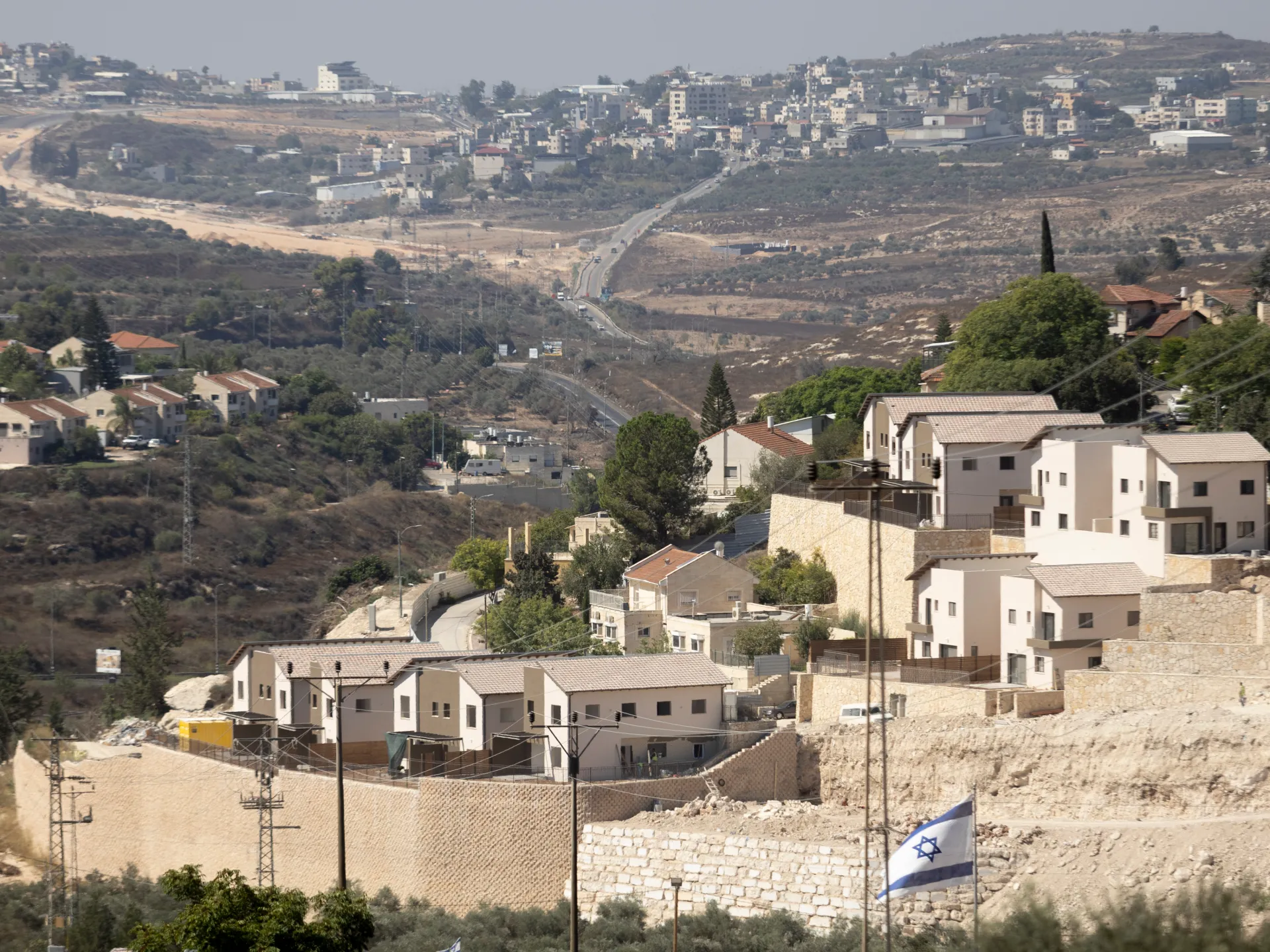
This strategic recalibration is evident in Israel’s recent actions in the West Bank and Syria. Zelin describes these moves as part of a broader shift in the country’s approach to regional security, suggesting that traditional diplomatic constraints are being weighed less heavily than immediate tactical gains.
Domestic political considerations are also influencing military decisions. With elections approaching, Zelin notes that some recent activity can be understood through an electoral lens, with Prime Minister Benjamin Netanyahu focused on securing reelection. This suggests that operational choices may be calibrated to resonate with the domestic electorate as much as to address external threats.
However, Zelin distinguishes this election-driven activity from Israel’s increasingly confrontational stance towards Turkey. He notes that this shift in posture predates the current election cycle, indicating a more enduring change in diplomatic relations between the two nations.
The emerging focus on Turkey is driven by perceptions within the Israeli leadership. As Iran and its regional proxy network have been weakened, figures around the Prime Minister are framing Turkey as a potential future strategic challenge. This assessment reflects a view that a new regional power dynamic is forming, with Turkey positioned to fill a vacuum left by a diminished Iranian influence.
The analysis, provided in an interview with France 24 International, highlights a government that is balancing short-term electoral pressures with long-term geopolitical calculations. While the extent of electoral influence on specific military actions remains a matter of interpretation, the broader trend towards a more assertive and less diplomatically constrained Israel is clear.