Netanyahu seeks US backing as White House meeting underscores US-Israel policy rifts
Amidst a fragile ceasefire framework and domestic electoral pressures, Benjamin Netanyahu aims to leverage the traditionally close alliance with President Donald Trump to bolster his standing ahead of Israel’s October 27 general election.
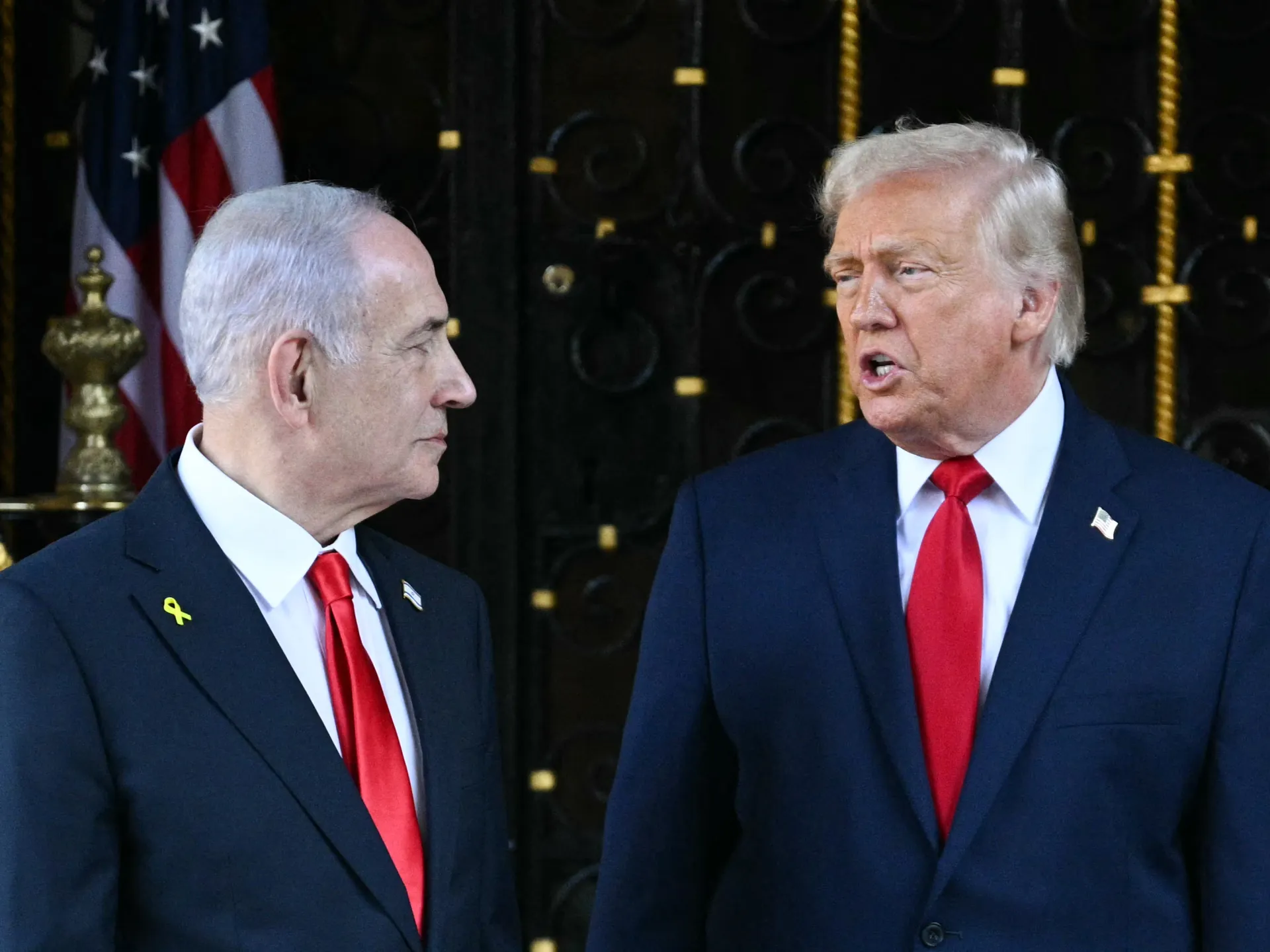
Israeli Prime Minister Benjamin Netanyahu arrived in Washington on Tuesday for a high-stakes meeting with US President Donald Trump at the White House. The visit marks the first direct talks between the two leaders since the United States and Israel launched strikes on Tehran on 28 February, initiating a new phase of regional conflict. The diplomatic engagement is scheduled to begin at 11:00 local time, preceding Netanyahu’s attendance at the memorial service for Republican Senator Lindsey Graham, who died on 11 July.
The agenda is dominated by the ongoing war with Iran, Israeli military operations in Lebanon, and the implementation of the Abraham Accords. Netanyahu has stated that the primary focus of the discussions will be Iran, with the dual objectives of protecting Israeli security and expanding the regional peace framework. However, significant friction remains regarding the scope of these efforts, particularly concerning Iranian regime change and the conditions for a lasting ceasefire.
Tensions between the two leaders have been palpable in recent months. Reports indicate that Trump has publicly criticised Netanyahu’s military escalation in Lebanon, accusing the Israeli Prime Minister of undermining diplomatic efforts. In previous exchanges, Trump asserted his dominance over the diplomatic process, stating he would have “no choice” but to force a peace agreement if Netanyahu did not approve one. Conversely, Netanyahu has refused to withdraw from Lebanon, maintaining that Israel retains the right to conduct strikes against what it describes as threats from the Iran-backed group Hezbollah.
Domestic political calculations appear to be driving much of Netanyahu’s urgency. Political analysts suggest the Prime Minister is seeking to showcase the strength of the US-Israel alliance to bolster his position in opinion polls ahead of the October 27 Israeli elections. With approximately 600 former Israeli officials, including retired military and intelligence leaders, recently urging Trump to intervene to prevent escalating violence in the occupied West Bank, the pressure on Netanyahu to align with Washington’s ceasefire framework is intensifying.
Further complicating the bilateral relationship is the issue of US arms sales to Turkiye. Netanyahu has strongly opposed the potential sale of F-35 aircraft to the Turkish government, arguing that such a move would disrupt the regional power balance and compromise Israeli air superiority. While Trump has indicated a willingness to proceed with sales to any nation he chooses, the disagreement highlights divergent strategic priorities between the two administrations.
Netanyahu is expected to depart for Israel on Wednesday. A White House official indicated that the outcome of the meeting would not be made public, leaving the immediate impact on policy uncertain. Despite the publicised disagreements, Netanyahu has described the relationship with Trump as “fine” and characterised the two nations as “model allies,” suggesting that mechanisms exist to manage their differences.