Netanyahu pledges overwhelming force against Hezbollah amid regional tensions
Benjamin Netanyahu vows to ‘smite’ the Lebanese militant group, as diplomatic friction and security escalations continue across the Middle East and the Americas.
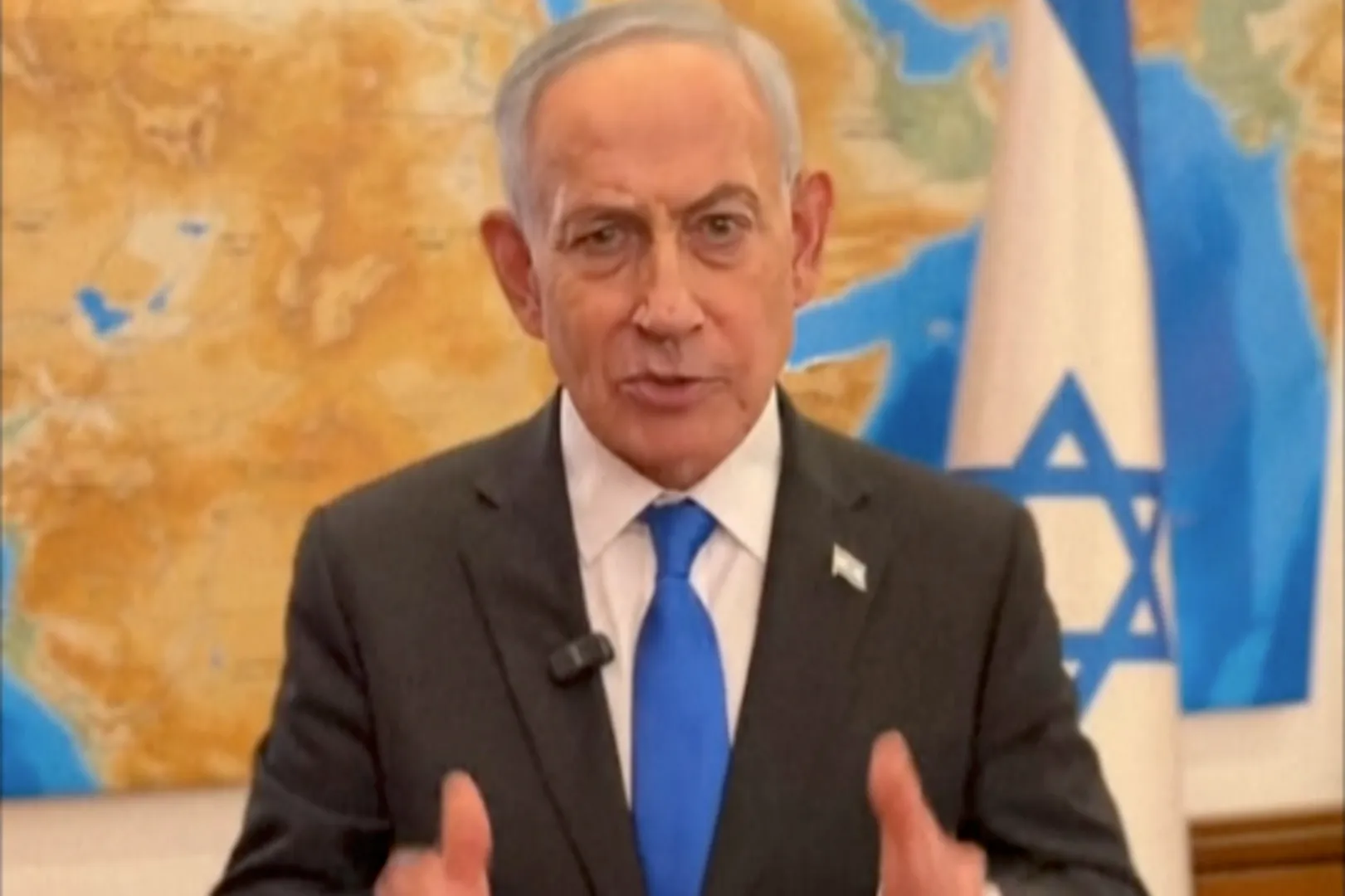
Israeli Prime Minister Benjamin Netanyahu has declared an intent to use “overwhelming” force to “smite” Hezbollah, according to a report by Al Jazeera Global News. The statement, published on 26 May 2026, underscores the escalating rhetorical posture of the Israeli government towards the Lebanese militant group, though specific details regarding operational timelines or immediate military actions were not provided in the initial reporting.
The Prime Minister’s choice of language marks a significant hardening of official policy rhetoric. By invoking the term “smite” alongside a commitment to “overwhelming” force, Netanyahu’s office has framed the potential response to Hezbollah activities as decisive and disproportionate. This approach aligns with broader security strategies aimed at deterring cross-border hostilities, although the source material does not specify the exact triggers or thresholds for such a deployment.
This declaration occurs against a backdrop of heightened diplomatic and security tensions involving multiple international actors. In a separate development, Canadian Prime Minister Mark Carney has formally condemned the treatment of activists aboard the Global Sumud Flotilla. During a telephone conversation with Israeli President Isaac Herzog, Carney described the handling of the activists as “appalling” and called for an independent investigation into the alleged mistreatment, adding a layer of diplomatic pressure on the Israeli government.
Regional security dynamics are further complicated by escalating tensions between the United States and Cuba. US intelligence officials have reported that Havana has acquired over 300 military drones from Russia and Iran. In response to these developments and warnings from Cuban President Miguel Diaz-Canel regarding a potential “bloodbath” in the event of a US attack, the US Treasury has imposed sanctions on Cuba’s intelligence agency and senior officials.
The convergence of these events highlights a period of significant geopolitical instability. While Netanyahu’s vow focuses on the northern front with Hezbollah, the simultaneous diplomatic friction with Canada and the security escalation between Washington and Havana suggest a complex web of international relations. The specific operational context of the Israeli Prime Minister’s statement remains unclear, but the rhetoric signals a continued commitment to a robust military stance in the region.