Netanyahu orders intensified Lebanon offensive, contradicting recent ceasefire
The decision to escalate military operations undermines a recently extended truce, prompting calls from far-right coalition ministers for broader attacks on Beirut and significant civilian displacement.
Israeli Prime Minister Benjamin Netanyahu has directed the military to intensify strikes against Hezbollah in Lebanon, stating the objective is to “crush” the armed group. The announcement, delivered via a video message on Telegram on Monday night, marks a sharp departure from the ceasefire agreement reached with Lebanon last month, which had been recently extended. Netanyahu declared that Israel would not “take its foot off the gas” but would instead “step on the gas even more,” signalling a return to full-scale hostilities.
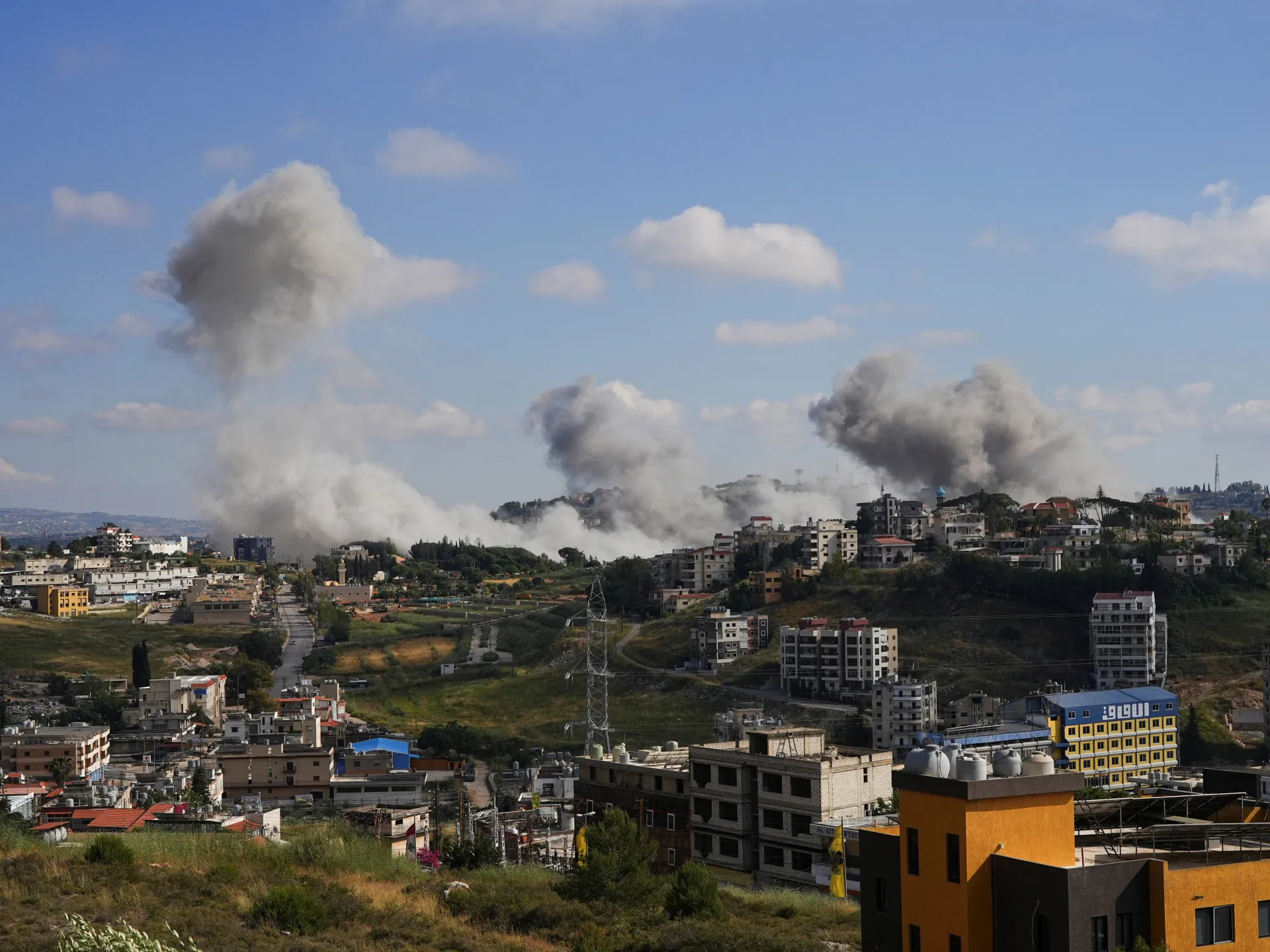
The escalation coincided with Lebanon’s Liberation Day, a national holiday commemorating the 2000 withdrawal of Israeli troops from southern Lebanon. Shortly after the Prime Minister’s address, the Israeli military confirmed it had launched attacks on Hezbollah infrastructure in the Beqaa Valley and other regions. The announcement triggered an immediate exodus of residents from the southern suburbs of Beirut, a key stronghold for Hezbollah, according to Lebanon’s National News Agency.
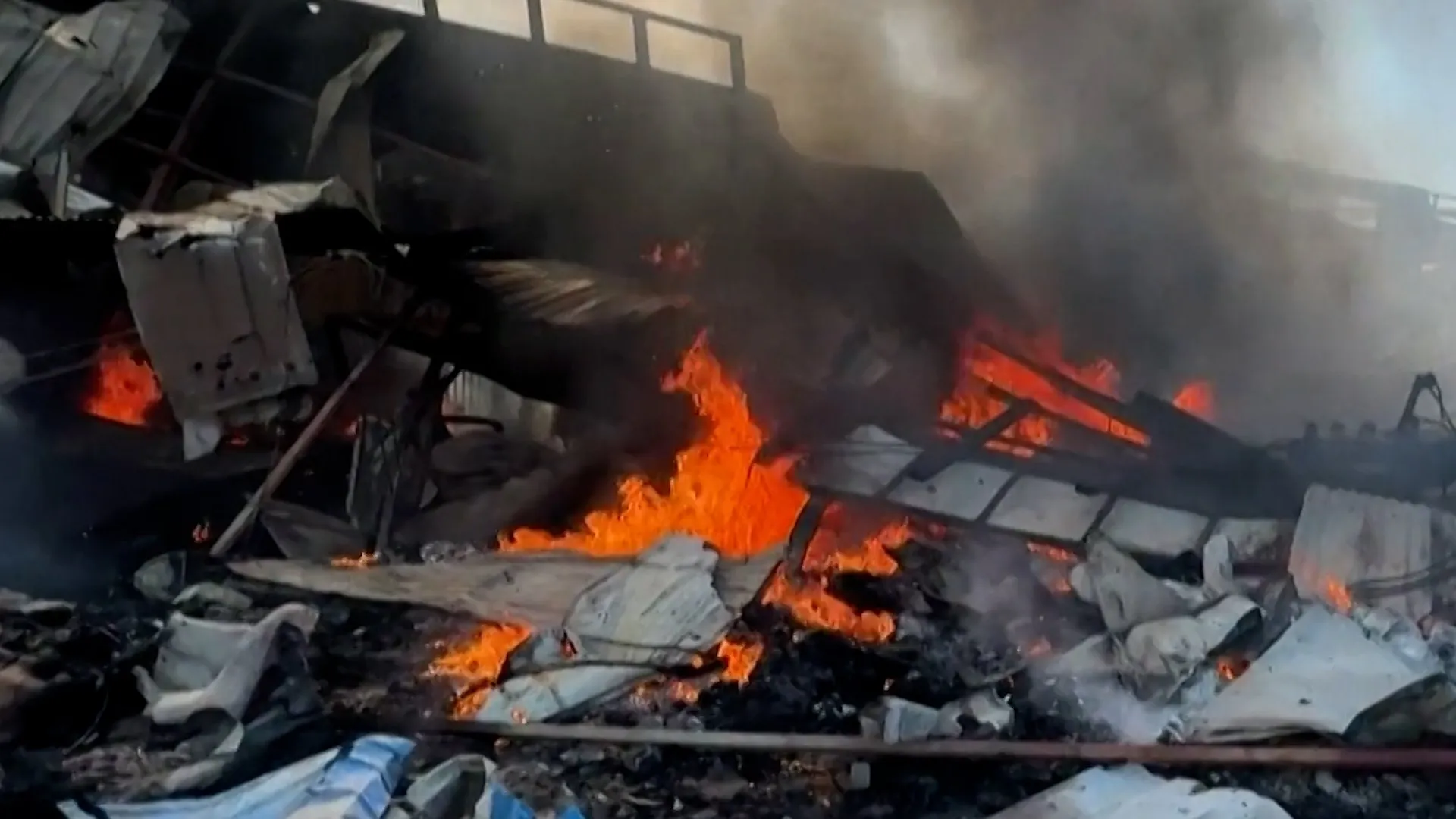
Military operations have already resulted in significant casualties and infrastructure damage. In the Nabatieh district, strikes on the town of Kfar Reman and the al-Midan neighbourhood damaged residential buildings and a Shia Muslim community centre, killing four people and injuring three. Israeli aircraft also deployed incendiary phosphorus munitions on forests in the Qlailah municipality, igniting fires in citrus groves and farmland. Lebanon’s Ministry of Public Health reported that 3,185 people have died since the open war began on 2 March.
On the Israeli side, the military reported that one soldier was killed and another severely injured by a drone strike during combat in southern Lebanon early on Monday. The incident has intensified pressure within the Israeli government to respond with greater force. Finance Minister Bezalel Smotrich and National Security Minister Itamar Ben-Gvir have called for a resumption of bombing campaigns against Beirut and the cutting off of electricity in Lebanon.
Smotrich highlighted the approval of a special budget of approximately 2 billion shekels ($692m) for technological solutions to counter the drone threat, arguing that Israel must “put an end to the threat of Hezbollah’s explosive drones.” Ben-Gvir urged the Prime Minister to inform US President Donald Trump that Israel is returning to an “intense war,” stating that normalising the drone threat is forbidden. The escalation underscores the growing influence of far-right coalition partners in shaping military policy despite diplomatic efforts to maintain the ceasefire.