Netanyahu faces domestic pressure over Lebanon strategy
Israeli political figures criticise the government’s military approach, alleging a deliberate avoidance of airstrikes on the Lebanese capital.
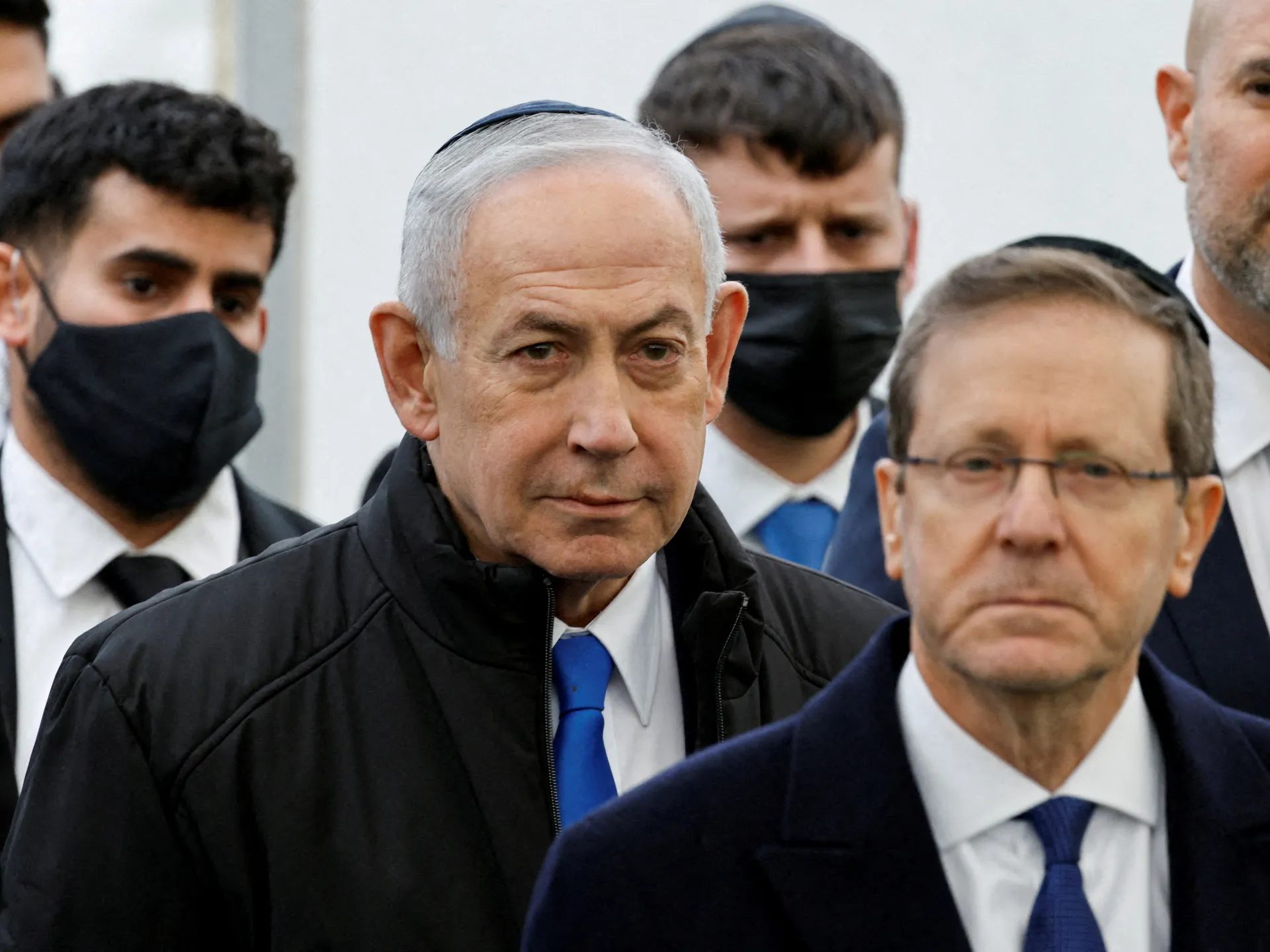
Israeli Prime Minister Benjamin Netanyahu is confronting significant domestic political backlash regarding his military strategy in Lebanon, according to reports from Al Jazeera. The criticism centres on accusations that the Prime Minister is deliberately exercising restraint in the conduct of hostilities, specifically by withholding orders for airstrikes on Beirut.
Hawkish voices within Israel have publicly articulated their discontent with the current trajectory of the conflict. These critics argue that the government’s approach lacks the necessary escalation, pointing to the absence of bombing campaigns against the Lebanese capital as evidence of undue caution. The accusations suggest a divergence between the Prime Minister’s strategic deliberations and the expectations of more aggressive political factions.
The reported dissent highlights internal divisions regarding the scope of military operations in the region. By characterising the Prime Minister’s actions as "holding back," these hawkish elements are framing the current policy as a failure to fully leverage Israel’s military capabilities against perceived threats in Lebanon.
It remains unclear which specific political parties, military figures, or organisations constitute these "hawkish voices," as the source material does not provide detailed attribution. Furthermore, the exact nature of the backlash, whether it manifests through parliamentary motions, public demonstrations, or media campaigns, has not been specified in the available reporting.
The situation underscores the complex political landscape surrounding Israel’s security policy. While the Prime Minister faces pressure to escalate, the current narrative is defined by accusations of restraint rather than confirmed policy shifts or immediate cabinet changes.