Netanyahu faces domestic backlash as Iran-Israel ceasefire holds
Reports describe the Israeli leader as a 'humiliated, failed war leader' following a recent flare-up that threatened the US-brokered truce, while Washington urges restraint to protect diplomacy with Tehran.
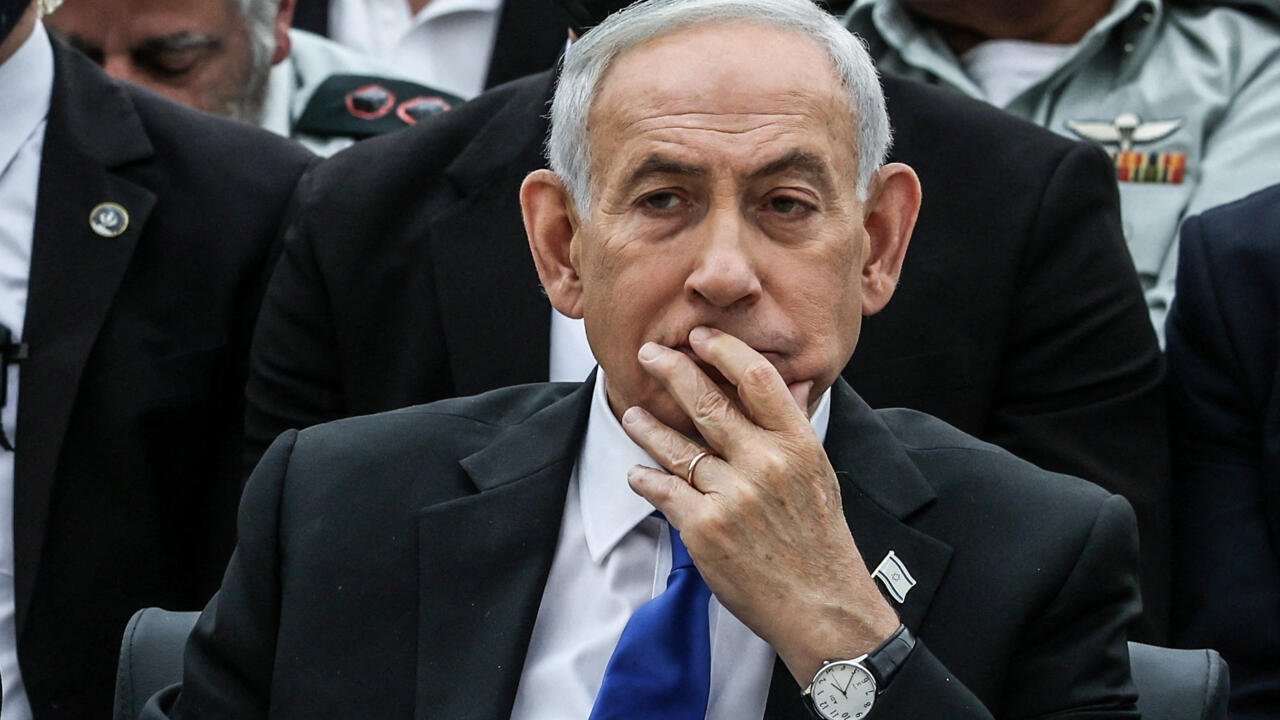
Iran and Israel have agreed to suspend hostilities following a recent escalation that threatened the fragile ceasefire established on 8 April 2026. The truce, brokered by the United States, has endured despite tit-for-tat attacks over the past 102 days, though diplomatic signals indicate the arrangement remains precarious.
In Israel, political pressure on Prime Minister Benjamin Netanyahu has intensified, with critics accusing him of deferring to US President Donald Trump on military matters. Reports from France 24 describe Netanyahu as a 'humiliated, failed war leader' in the wake of the Iran flare-up, reflecting a growing sentiment that the conflict has damaged the reputations of both leaders.
US President Donald Trump reportedly urged Netanyahu to hold fire to prevent jeopardising diplomacy with Tehran. While Trump stated his intention to call the Israeli leader to prevent retaliation, analysis suggests Washington may have provided tacit approval for limited counterattacks, a stance characterised by veteran US negotiator Aaron David Miller.
The ceasefire has faced significant strain, including an attack in late May 2026 on Beirut’s southern suburbs that killed two people and wounded 20. Iranian Foreign Minister Abbas Araghchi has held discussions with counterparts in Britain, France, Turkey, Qatar, and Pakistan regarding ceasefire violations, highlighting the international diplomatic efforts to stabilise the region.
Despite the mutual pause in strikes, tensions remain elevated. The current situation underscores the delicate balance between military action and diplomatic engagement, with the US playing a central role in mediating the terms of the truce and managing the fallout from recent escalations.