Netanyahu dismisses rift with Trump over Lebanon escalation despite harsh criticism
Amid continued displacement in southern Lebanon and stalled US-Iran negotiations, both leaders insist on shared objectives to disarm Hezbollah, though fighting persists despite a temporary ceasefire.
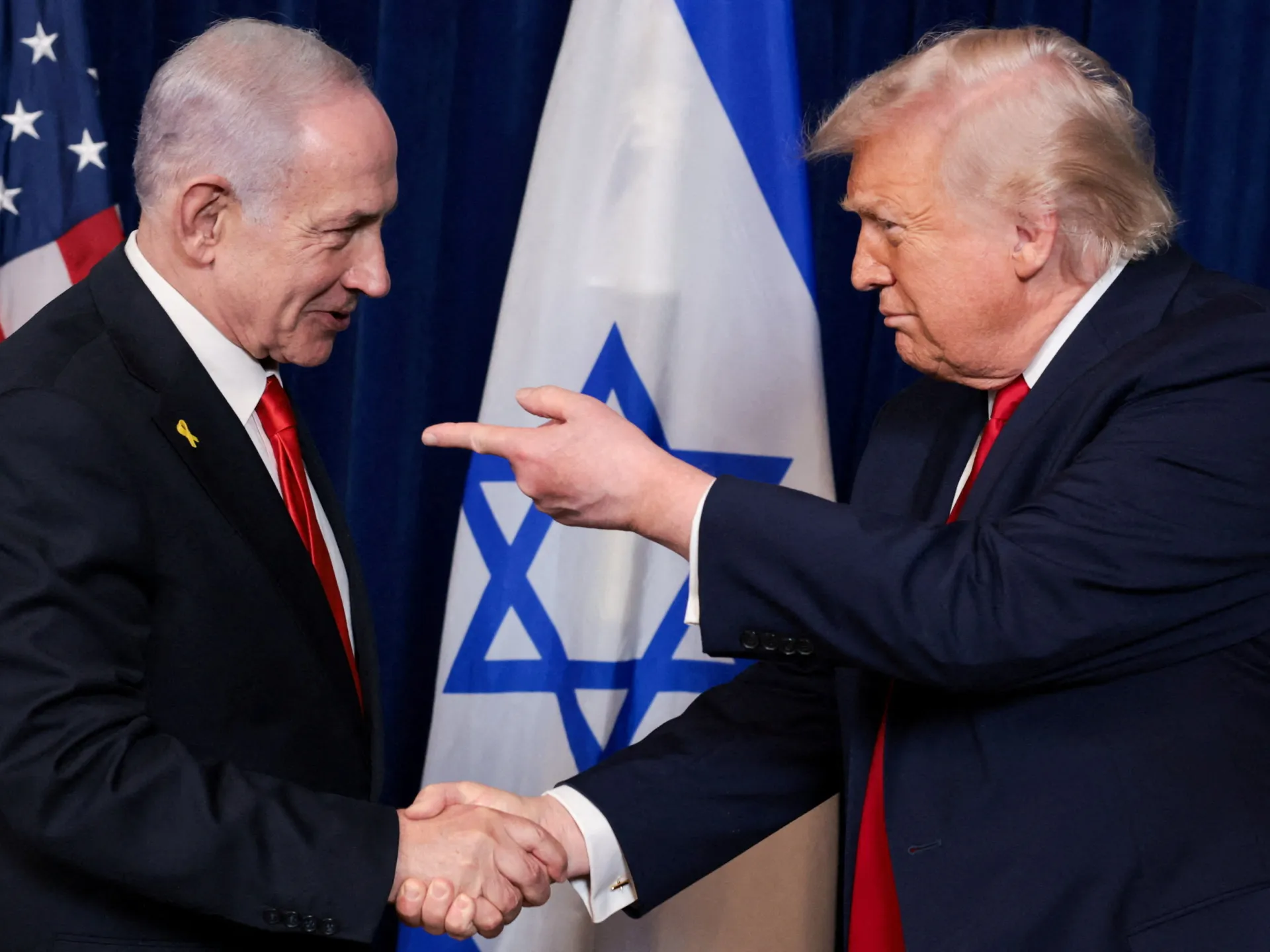
Israeli Prime Minister Benjamin Netanyahu has firmly rejected reports of a diplomatic rift with US President Donald Trump, describing their relationship as strong despite the American leader’s recent admission of using harsh language towards him. The comments follow an exchange in which Trump confirmed he berated Netanyahu during a telephone conversation earlier in the week, citing Israel’s military escalation in Lebanon and the announcement of potential strikes on the capital, Beirut.
During an interview with CNBC, Netanyahu characterised the disagreement as a minor friction point within a robust partnership. “No, this has been a great relationship because he’s been the greatest friend that Israel has ever had in the White House,” Netanyahu said. He attributed the tension to tactical differences rather than strategic divergence, stating, “Sometimes, we have, as in the best of families, you have these tactical disagreements. We always find a way to work them out, and we do so as great friends.”
Trump, speaking to the New York Post, acknowledged the intensity of the exchange but affirmed his personal regard for the Israeli leader. “I was a little bit perturbed at his constantly fighting with Lebanon,” Trump said. He later added that he “likes Bibi a lot” and noted that they “work well” together, emphasising that both leaders share the primary objective of disarming Hezbollah and demilitarising Lebanon.
The diplomatic friction occurs against a backdrop of continued violence in southern Lebanon, where Israeli attacks have displaced hundreds of thousands of residents and razed entire towns. Although Trump mediated an agreement on Monday for both Netanyahu and a Hezbollah representative to hold fire, fighting in the region has persisted. The Israeli military, however, has held off on its announced attacks against Beirut.
Netanyahu has outlined a new policy demand requiring the complete demilitarisation of Lebanon, which would prevent the Lebanese Armed Forces from acquiring weapons. This stance follows previous statements by Israeli Defence Minister Israel Katz, who outlined plans to occupy southern Lebanon and prevent residents from returning, admitting the approach mirrors the destruction seen in Gaza. Despite these measures, Netanyahu stated he seeks “peace” with Lebanon, contingent on the disarmament of Hezbollah, which claims its actions are legitimate self-defence under the United Nations Charter.
The ongoing conflict risks derailing broader regional negotiations, particularly US-Iran talks, as Tehran has suggested it may respond militarily to Israel’s assault in Lebanon. Hezbollah, allied with Iran, launched rockets against Israel in response to daily ceasefire violations and the killing of Iranian Supreme Leader Ali Khamenei. Since April, Lebanese and Israeli officials have held several rounds of talks in the United States, but these negotiations have failed to produce a lasting ceasefire or halt the systemic destruction of Lebanese towns.
Netanyahu, who is currently subject to war crime charges from the International Criminal Court regarding actions in Gaza, maintained that he and Trump remain on the same page regarding the security of the region. He argued that Lebanon has been “taken hostage by Hezbollah” and insisted that achieving a Lebanese-Israeli peace requires the removal of the group’s military capabilities. The situation remains volatile, with the temporary ceasefire unenforced on the ground and diplomatic channels strained by the disparity between public rhetoric and military action.