Netanyahu confirms Likud candidacy for October election amid regional conflict
Israel’s longest-serving leader faces a corruption trial and complex security challenges as he prepares for a vote scheduled for late October 2026.
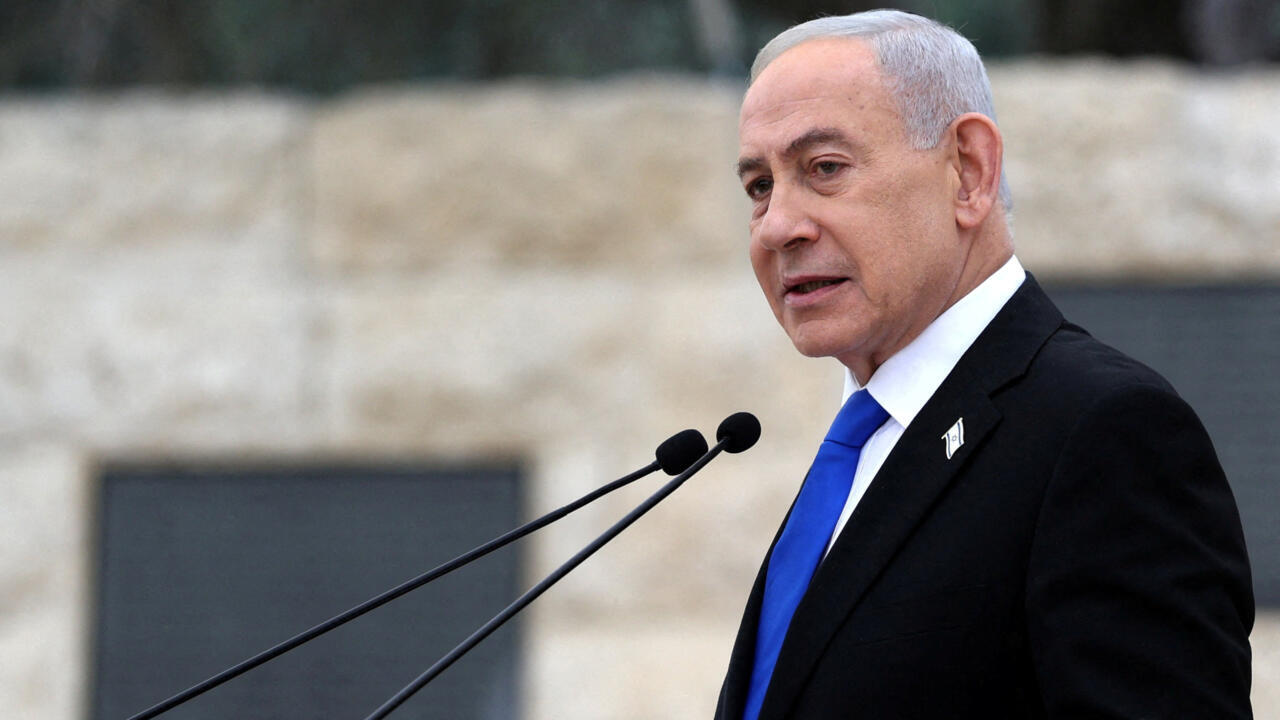
Israel’s Likud party confirmed on Wednesday that Prime Minister Benjamin Netanyahu will stand as a candidate in the country’s next national election, which is scheduled for late October 2026. The announcement was made via the party’s Telegram channel, stating that the prime minister would run and expressing confidence in a victory. The declaration comes after US President Donald Trump publicly questioned whether the 76-year-old leader wished to continue in politics.
In an interview with ABC News, President Trump expressed uncertainty regarding Netanyahu’s intentions, noting the prime minister’s status as a wartime leader. “I don’t know, he's had an amazing career. Does he want to continue?,” Trump said. The remarks followed a tense diplomatic exchange between the two leaders days earlier, during which President Trump reportedly berated his ally in a profanity-laced outburst. Netanyahu later downplayed the incident during an appearance on CNBC.
Netanyahu, Israel’s longest-serving prime minister, has led the nation through three years of war and is currently facing a corruption trial. His political timeline has been marked by significant health disclosures, including the recent successful removal of a small, early-stage malignant tumour from his prostate. He has been admitted to hospital several times since returning to office in December 2022, having previously undergone hernia surgery in March 2024 and a prostate operation in December of the same year.
The prime minister is currently overseeing military operations on three fronts. In Gaza, Israel continues operations against Hamas despite a ceasefire in the territory. In Lebanon, the military is pursuing a campaign against Hezbollah despite a ceasefire there. Additionally, Israel joined the United States in launching attacks on Iran that killed much of the country’s leadership, triggering a regional conflict that has seen Iranian missiles target US bases in Jordan and Bahrain.
Recent military developments include Israeli strikes on military targets in western and central Iran, including Tehran, Tabriz, and Isfahan, following an Iranian missile salvo. These actions occurred after discussions held by Iranian Foreign Minister Abbas Araghchi with counterparts in Britain, France, Turkey, Qatar, and Pakistan regarding ceasefire violations. The election is expected to take place by late October, concluding a period of intense geopolitical instability.