Netanyahu Coalition Pushes for Early Vote Amid Ultra-Orthodox Conscription Crisis
The Israeli ruling coalition has submitted a motion for an early general election, projecting a vote in August, as internal fractures over military conscription threaten the government’s stability.
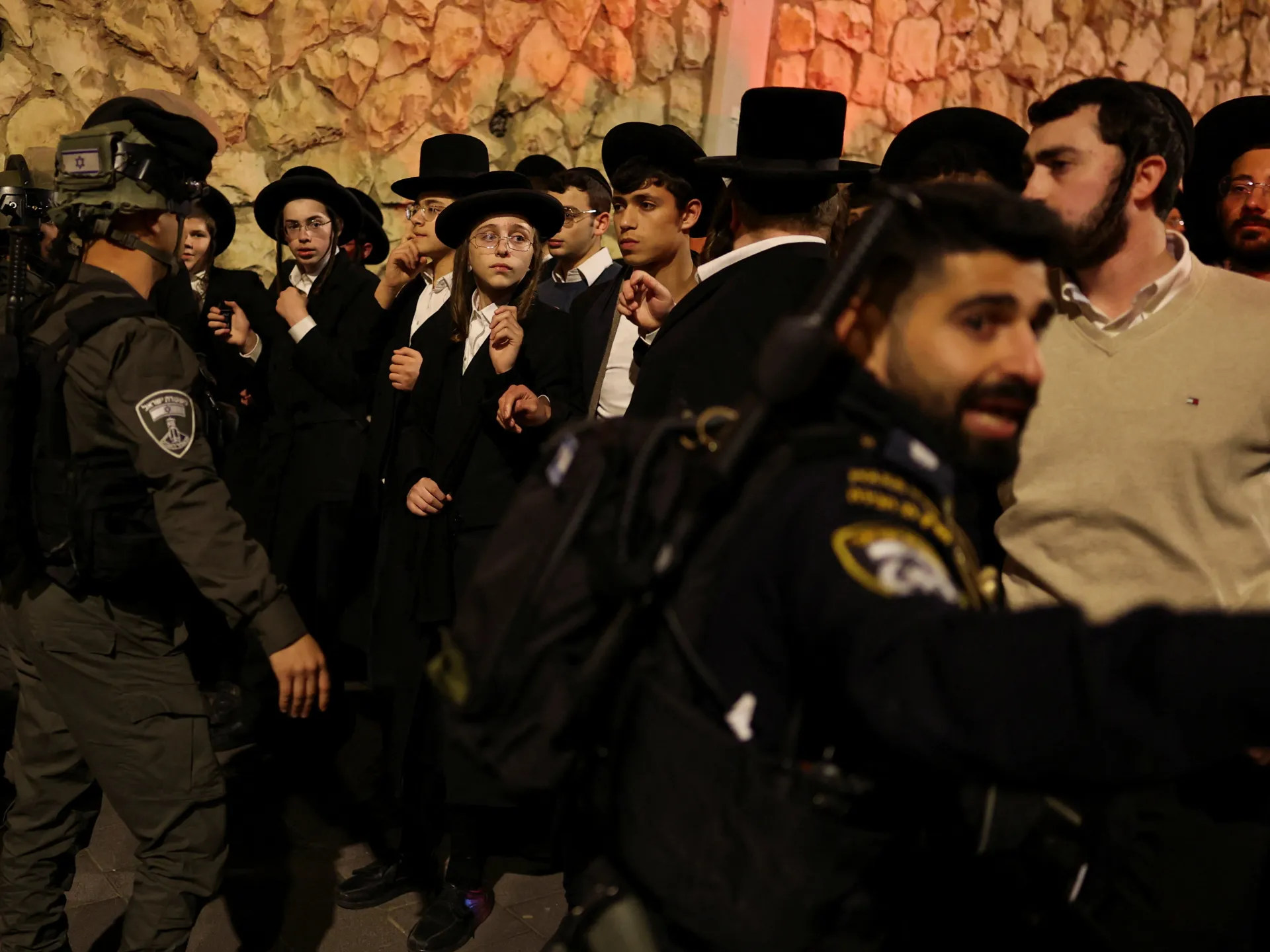
Israel’s ruling coalition has formally submitted a motion for an early general election, accelerating the country toward the polls as political fractures over military conscription for Ultra-Orthodox Jews reach a critical juncture. If the Knesset passes the vote next week, a general election is projected to be held within 90 days, likely in the third week of August, two months before the current government’s term concludes on 27 October.
The crisis stems from persistent demands by Ultra-Orthodox coalition partners, specifically Shas and United Torah Judaism (UTJ), for exemptions from the draft for their constituents. While these parties have continued to support the government on key votes, a faction within UTJ led by Degel Hatorah has now demanded the dissolution of the government. Rabbi Dov Lando, the spiritual leader of the faction, stated he had “finally lost faith” in Prime Minister Benjamin Netanyahu and declared that the party would no longer operate within a political bloc, focusing solely on the interests of Haredi Judaism and the yeshiva world.
The dispute is rooted in a long-standing exemption for Ultra-Orthodox men enrolled in full-time religious study, a policy ruled illegal by Israel’s High Court of Justice in 1998 but maintained through repeated temporary measures. Despite a 2024 court order to begin actively conscripting Ultra-Orthodox men, compliance remains minimal. Testimony presented to the Knesset indicates that only 1,200 Ultra-Orthodox recruits have responded to approximately 24,000 draft notices issued by the military, with refusals largely grounded in religious beliefs regarding Torah study.
Military pressure to resolve the impasse has intensified following testimony from Israel’s Chief of Staff, Lieutenant General Eyal Zamir. Speaking to the Knesset’s Foreign Affairs and Defence Committee, Zamir warned that the current burden on regular and reserve forces is unsustainable due to multi-front conflicts. He described the recruitment of Ultra-Orthodox men as an “existential need” for the Israel Defence Forces to sustain military actions in the region, noting that the army is exhausted after two years of campaigns in Gaza, Lebanon, Iran, and Syria.
Public sentiment strongly aligns with military and legal pressure for reform. Polls indicate that approximately 85 percent of Israelis support sanctions on Ultra-Orthodox men who refuse military service, including the ending of state benefits for religious students whose families rely on them. Opposition leaders Yair Lapid and Naftali Bennett have pledged to end these benefits and investigate the continuation of the effective exemption, positioning themselves to capitalise on the unpopularity of the policy across political strands.