Social media influencers drive diaspora capital into Zimbabwe real estate and agriculture
Two young Zimbabwean content creators are shifting diaspora investment trends toward property and farming, with remittances reaching $2.45bn in 2025 as domestic unemployment remains high.
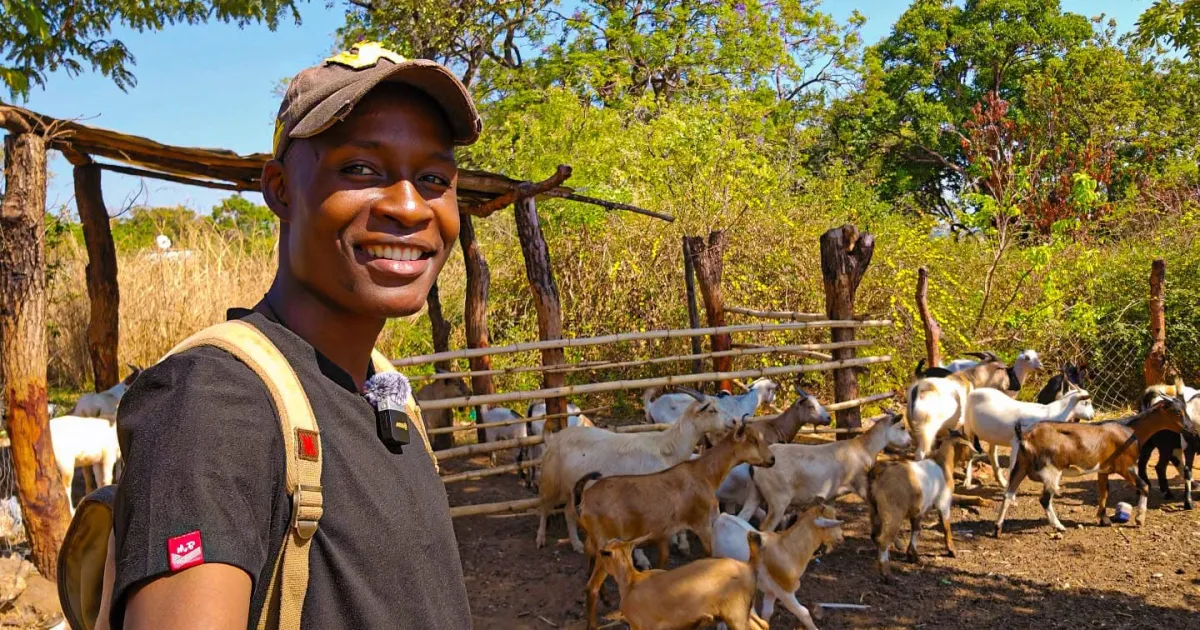
Zimbabwe’s real estate and agricultural sectors are experiencing a significant shift in investment dynamics, driven largely by digital content creators influencing diaspora decision-making. Kundai Chitima, 31, and Kelvin Birioti, 20, have built substantial followings on YouTube and Instagram by providing on-the-ground perspectives that contrast with official narratives. Their content, which features property tours, agricultural tips, and market analysis, has encouraged a growing number of Zimbabweans abroad to consider permanent relocation or increased capital investment.
The impact of this digital engagement is evident in market data. Reports indicate that diaspora buyers now account for up to 50 percent of high-end residential property sales. In certain regions, land prices have risen by 20 to 30 percent year-on-year, a surge attributed partly to foreign capital. Additionally, approximately 10 to 15 percent of new farm leases over the past two to three years involve diaspora investors, with activity concentrated in the Mashonaland Central and Matabeleland regions.
Remittances from Zimbabweans abroad reached $2.45bn in 2025, according to government data, with the United Kingdom and South Africa identified as the largest sources. A significant portion of these funds is directed towards property, agriculture, and small businesses. This financial inflow reflects a combination of economic pragmatism and an emotional desire to reconnect with roots, as noted by Nyashadzashe Nguwo, an Africa market entry adviser. He attributes the trend to lifestyle-driven factors, including a lower cost of living and the opportunity to build impactful projects at home.
The creators’ rise coincides with a challenging domestic economic landscape. The Zimbabwe National Statistics Agency reported an unemployment rate of 21.8 percent in the third quarter of 2024, with youth unemployment estimated at 76.8 percent in 2025. Major retailers such as Choppies, Truworths, OK Zimbabwe, and N Richards have downsized or closed operations in recent years. Despite these indicators, Birioti and Chitima argue that their platforms provide necessary information to combat scams and replace uncertainty with grounded realities.
While investment flows remain strong, the decision to return physically remains complex. Some diaspora members maintain financial ties to Zimbabwe but remain cautious about relocation due to political developments and governance concerns. As domestic economic pressures continue to push some citizens away, the relationship between Zimbabwe and its diaspora remains open-ended, shaped increasingly by digital narratives rather than traditional economic indicators alone.