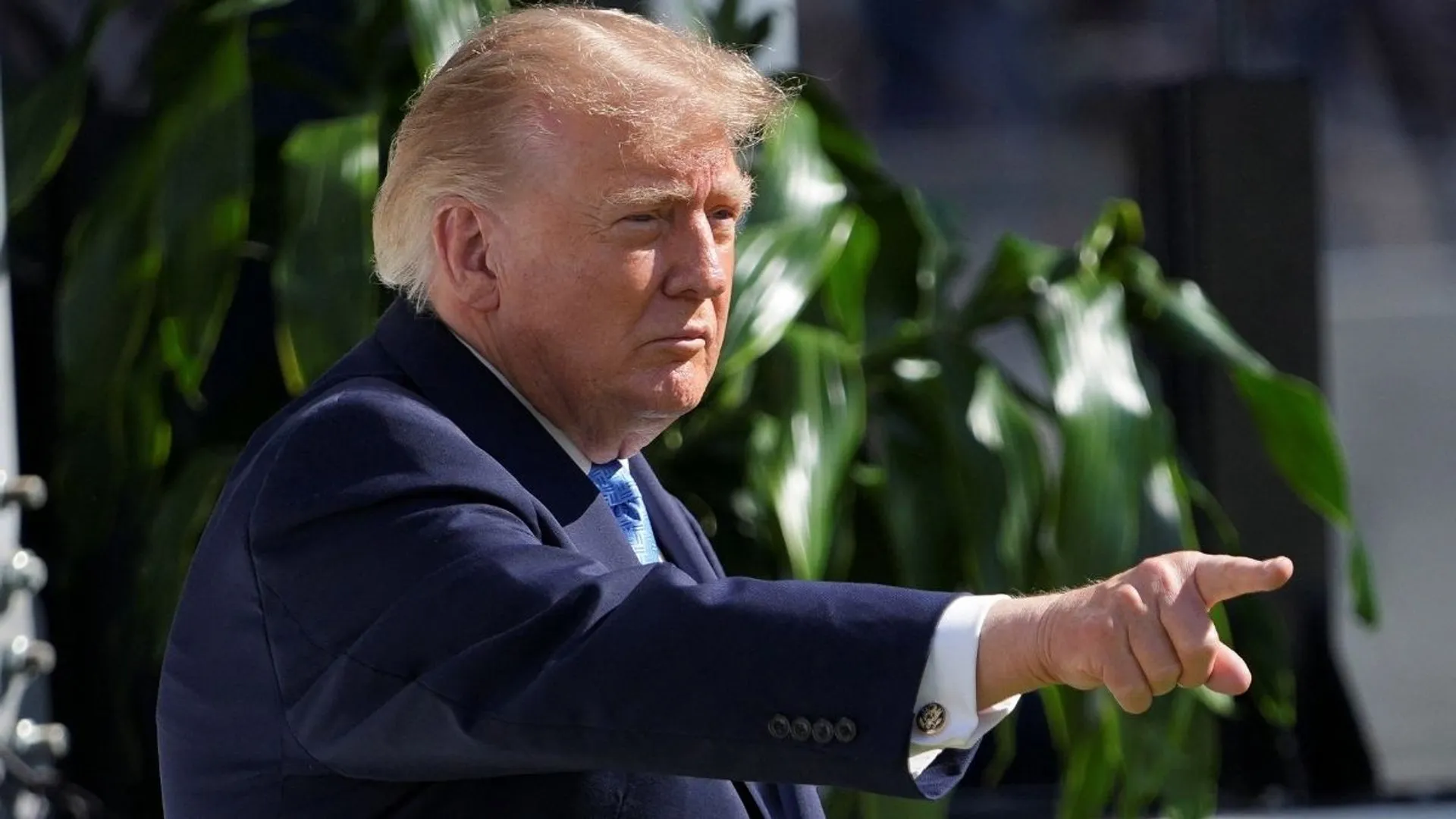
Netanyahu and Trump clash over Iran conflict strategy
Tensions have escalated between Israeli Prime Minister Benjamin Netanyahu and US President Donald Trump following an Israeli strike in Beirut and subsequent Iranian missile fire, exposing divergent strategic interests.
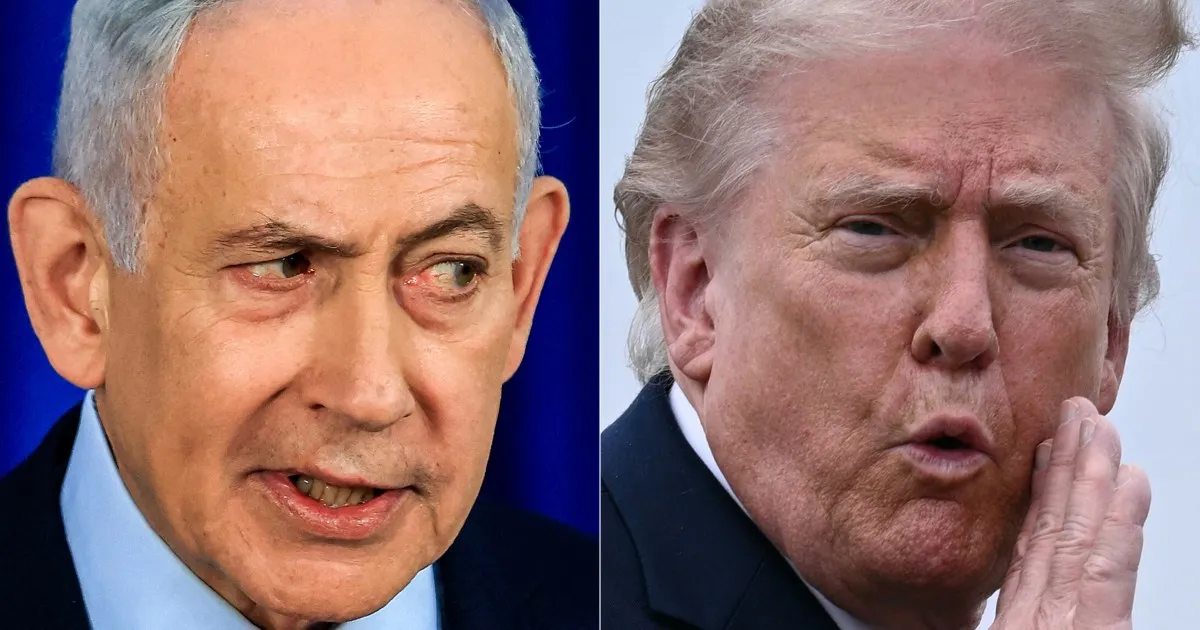
Tensions have escalated between Israeli Prime Minister Benjamin Netanyahu and US President Donald Trump following an Israeli strike in Beirut’s southern suburbs on 7 June and a subsequent Iranian missile volley targeting northern Israel. The confrontation has exposed significant divergences in strategic interests: Trump is seeking a diplomatic ceasefire to mitigate domestic political pressures and economic instability caused by surging oil prices, while Netanyahu faces domestic demands to continue military operations and navigate his own political survival challenges. Analysts describe the US-Israel relationship as fundamentally transactional, with Israel remaining heavily dependent on US military aid despite the political rift.
The diplomatic rift intensified after Trump reportedly called Netanyahu “f***ing crazy” during a phone call, accusing him of undermining US diplomacy and warning that Israel’s military escalation risked derailing peace talks with Iran. Trump stated to the Financial Times, “I call the shots. I call all the shots. He doesn’t call the shots,” indicating his intent to control the diplomatic trajectory. Iran launched missiles at northern Israel on Sunday, marking the first attack since a fragile, Pakistan-brokered ceasefire was reached two months prior. Reports suggest any future US-Iran agreement would leave Iran’s government intact, permit a restricted nuclear programme, and prevent Israel from launching future military operations against Hezbollah in Lebanon.
The strategic disconnect is rooted in conflicting domestic imperatives. In the United States, the war with Iran is deeply unpopular, creating strong incentives for Trump to secure a quick deal ahead of November’s mid-term congressional elections and while preparing to host the World Cup. Conversely, Netanyahu faces a corruption trial in its sixth year and an International Criminal Court (ICC) arrest warrant for actions in Gaza. Israeli polling indicates approximately 93 percent public support for the military action against Iran, suggesting that continued confrontation serves his political interests and helps distract from legal challenges.
Financial and military dependence remains the anchor of the relationship. The US provides Israel with at least $3.8bn annually under a 10-year military assistance agreement (2019–2028), including $3.3bn via Foreign Military Financing and $500m for joint missile-defence programmes. An Al Jazeera investigation found that 42 percent of weapons entering Israel originate from the United States. Despite the political friction, experts note that Washington continues to shield Israel from accountability at the International Court of Justice and ICC, suggesting that Trump’s criticism has not yet been matched by a cessation of support.
Within Israel, the government is caught between Washington’s push for de-escalation and demands from far-right coalition partners. National Security Minister Itamar Ben-Gvir warned that Israel must establish “red lines” with Washington, stating that attacks from Lebanon or Iran require a response. However, analysts argue that Israel cannot sustain this position long-term without US backing. As traditional European allies distance themselves from Netanyahu’s government, the asymmetric nature of the alliance means that whatever Trump dictates, Netanyahu is likely compelled to comply, leaving the Israeli prime minister in a political deadlock.