Netanyahu alleges Iran targeted son, citing security risks ahead of election
The Israeli Prime Minister’s unverified claim of an assassination attempt has intensified debate over protective measures for political rivals, set against the backdrop of a deepening regional rivalry with Tehran.
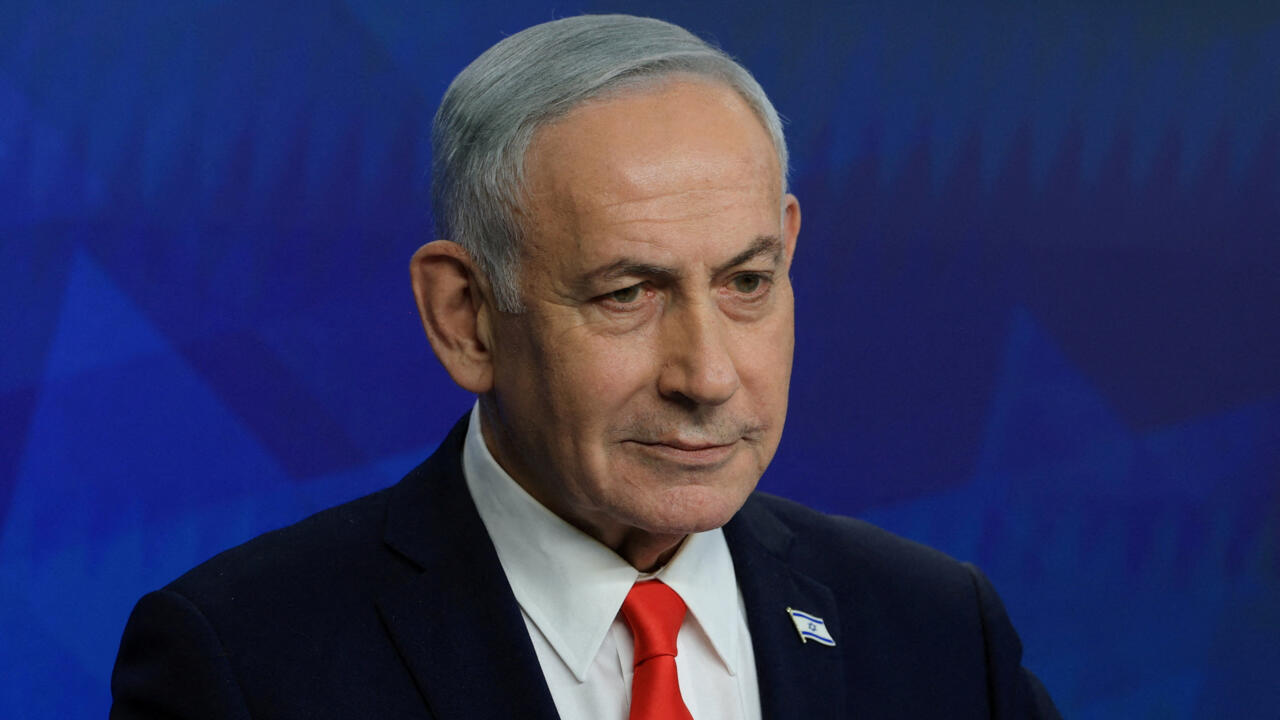
Israeli Prime Minister Benjamin Netanyahu has alleged that Iran attempted to assassinate one of his two sons, a claim that has intensified scrutiny over security protocols in the lead-up to the 27 October election. Speaking during a phone interview with Channel 14, Netanyahu stated, “Something incredible happened: Iran targeted one of my sons. Iran tried to kill one of my sons.” However, the Prime Minister provided no independent evidence or specific details regarding which son was allegedly targeted or the circumstances of the incident.
The remarks emerged during a discussion concerning the Shin Bet domestic security agency’s reported decision to decline a security detail for Gadi Eisenkot, the former army chief who is currently polling neck and neck with Netanyahu. Netanyahu voiced support for around-the-clock protection for Eisenkot, describing such measures as “not a luxury” given the perceived Iranian threat. He warned that without adequate protection, the Iranians “will succeed” in their aims.
The political timing of the claim has drawn attention to the broader security environment in Israel. While it remains unclear which of Netanyahu’s sons was targeted, his elder son, Yair, 35, has spent extended periods in Miami since early 2024, reportedly under Shin Bet protection. His stay in the United States has previously attracted controversy in Israel over the cost to taxpayers, with some residents in south Florida expressing concern that his presence could make the area a target for attacks by Israel’s enemies.
Shortly after the Prime Minister’s remarks became public, prominent Israeli journalist Amit Segal reported on his Telegram channel that the alleged assassination attempt had been known for “months” but was subject to a gag order. This report has not yet been officially confirmed by the government, adding a layer of uncertainty to the Prime Minister’s assertions.
The allegation follows the killing of Iranian Supreme Leader Ali Khamenei in the opening salvo of US-Israeli strikes on 28 February, which also claimed the lives of several of his family members. His son, Mojtaba Khamenei, was named the new Supreme Leader a week later. In a message read out on state television, Mojtaba Khamenei pledged to “avenge the blood” of his father, a statement that has been cited as a key driver of the current security tensions.
Mojtaba Khamenei has not been seen in public since his appointment and was reportedly wounded in the same strikes that killed his father. The combination of unverified domestic security claims and the shifting leadership in Tehran presents a complex governance challenge for Netanyahu as he seeks to secure his position ahead of the upcoming election.