Nepal reinstates 13th-century Buddha statue repatriated from New York
A statue stolen in the 1980s has been returned to its Kathmandu temple following a ceremony attended by a US envoy, coinciding with the Buddha Jayanti festival.
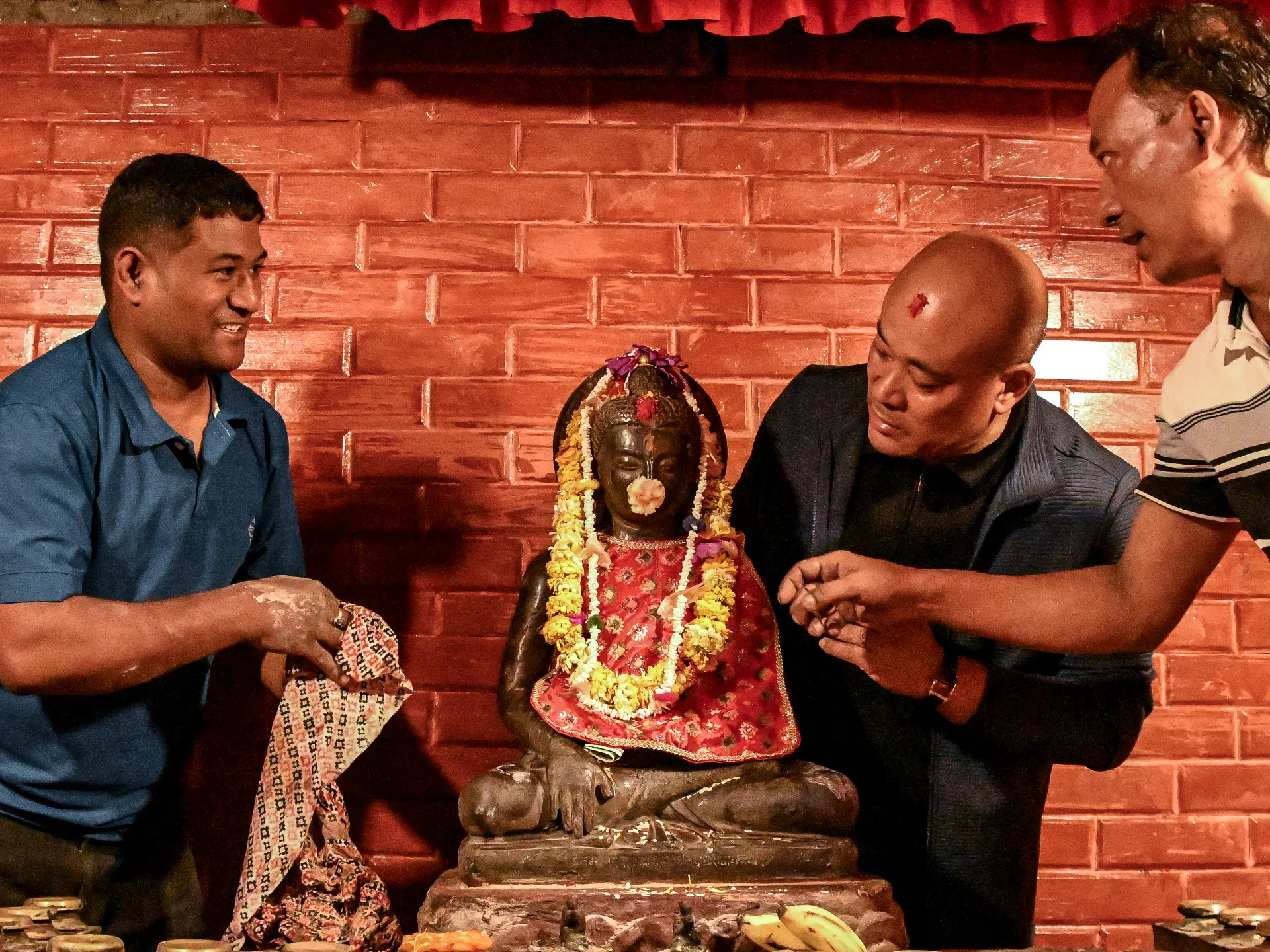
The Nepali Archaeology Department has overseen the reinstallation of a 13th-century Buddha statue at its original temple in Kathmandu, concluding a repatriation process that began when the artefact was held at Tibet House US in New York since 2022. The object, which was stolen from the temple in the 1980s, was carried in a palanquin during a ceremony that coincided with the Buddha Jayanti festival, marking the birth of the founder of Buddhism.
Sergio Gor, Washington's special envoy to South and Central Asia, attended the event, stating that the initiative aims to right a wrong from the past. The statue had emerged at Tibet House US after being gifted by an unknown monk, though the specific identity of the donor remains unconfirmed. During the ceremony, a replica that locals had been worshipping in the meantime was moved to another area of the temple to accommodate the return of the original piece.
This specific return is part of a wider institutional effort by the Nepali Archaeology Department to repatriate approximately 200 stolen artefacts, with at least 41 currently returned to their original locations. While the department reports about 200 items have been returned in total, including wood and stone carvings, paintings, and scriptures, experts estimate the actual number of missing artefacts to be in the thousands.
The loss of these items stems from a period following the 1950s when Nepal opened up to the outside world, leading to thefts often facilitated by corrupt officials to feed international art markets in the US, Europe, and elsewhere. Although the export of these items remains illegal, many sites in the Himalayan nation are now bereft of centuries-old sculptures and other cultural elements that were once integral to the temples.
Conservation experts describe these statues not merely as objects of art but as part of a living heritage integral to the everyday religious life of Nepal's deeply religious population. Rabindra Puri, a conservation expert, noted that the return is significant because the statues are part of this living heritage. Authorities are specifically seeking to return more artefacts from the US, France, Germany, and the United Kingdom as momentum grows for restitution.
The event highlighted the ongoing tension between official records and the reality of cultural loss, as more than 400 artefacts are officially listed as missing despite the department's broader repatriation goals. The reinstallation of this 13th-century figure serves as a focal point for the government's policy to restore the integrity of Nepal's heritage sites and address the legacy of illicit trafficking.