Negotiations stall in Tehran as power vacuum complicates US diplomatic efforts
US President Donald Trump cites internal chaos between hardliners and moderates as the primary obstacle, while the new Supreme Leader remains silent amidst unconfirmed reports of secret medical treatment.
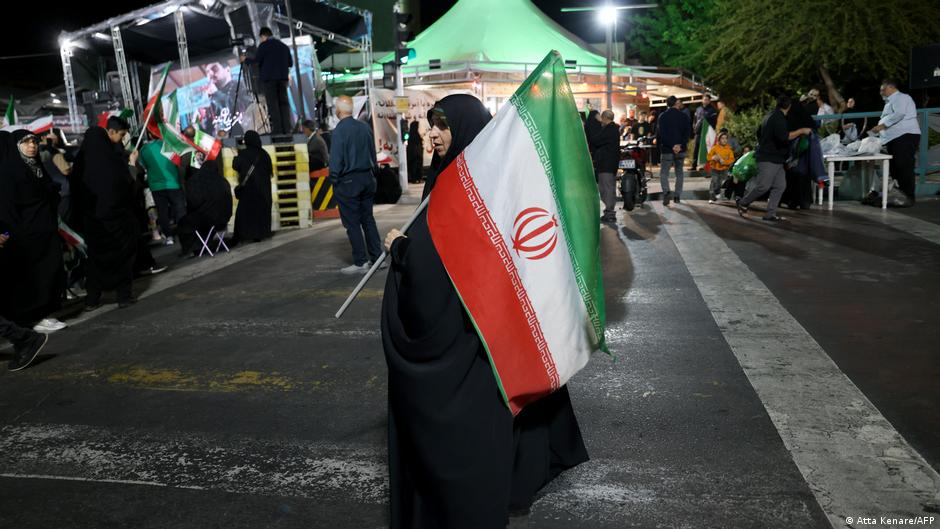
Diplomatic progress between the United States and Iran has ground to a halt since the ceasefire agreement was reached on 8 April. Although negotiations continue through intermediaries, no breakthrough has been achieved, a situation US President Donald Trump attributes to the chaotic nature of Iran's domestic politics. The administration argues that a significant power struggle is currently unfolding between factions identified as hardliners and moderates, creating an environment where it is difficult for Tehran to present a unified negotiating position.
This assessment comes as recent attempts to restart direct dialogue have faltered. A planned round of talks in Pakistan failed to materialise after Iranian Foreign Minister Abbas Araghchi departed the capital before US envoys arrived. Concurrently, the US military is reportedly considering targeted strikes against specific Iranian military leaders and individuals believed to be actively undermining the peace process. These developments suggest that the deadlock is driven not only by strategic disagreements but also by internal instability within the Iranian leadership structure.
At the centre of this uncertainty is the new Supreme Leader, Mojtaba Khamenei, who succeeded his father Ali Khamenei on 8 March 2026. Since taking office, the new leader has issued no public statements, leaving a vacuum at the top of the political hierarchy. Reports from The New York Times suggest that Khamenei is receiving secret medical treatment for serious injuries sustained in the initial strikes and remains under electronic surveillance, further complicating the chain of command and the ability to authorise diplomatic moves.
The ambiguity surrounding the negotiating team has intensified speculation regarding who holds the actual authority in Tehran. While moderate Speaker of Parliament Mohammad Bagher Ghalibaf led initial talks, there are unconfirmed reports that ultra-hardliner Saeed Jalili may be poised to take over nuclear negotiations. Jalili, a former secretary of the Supreme National Security Council who previously steered Iran toward confrontational nuclear policies, is viewed by some as a potential shift away from the moderate approach advocated by President Masoud Pezeshkian and Foreign Minister Araghchi.
Amidst this internal friction, Iran has reportedly conveyed written messages via Pakistan proposing the reopening of the Strait of Hormuz in exchange for the US lifting its blockade on Iranian ports. Under this proposal, discussions regarding the nuclear programme would be deferred to a later date. However, early indications suggest Washington is unlikely to accept these terms, as President Trump insists that the nuclear programme must be on the table for any meaningful negotiations to proceed.
The situation remains fluid as the US seeks to resolve the war it and Israel launched on Iran, which began on 28 February 2025. With key figures such as Ahmad Vahidi, commander of the IRGC, identified as a central hardliner, and the new Supreme Leader's health status unverified, the path to a permanent end to the conflict appears obstructed by both external military planning and internal political fragmentation.