Nearly 60 nations convene in Colombia to break fossil fuel deadlock
Participants describe the gathering in Santa Marta as a new force pushing for policy action outside the traditional COP framework
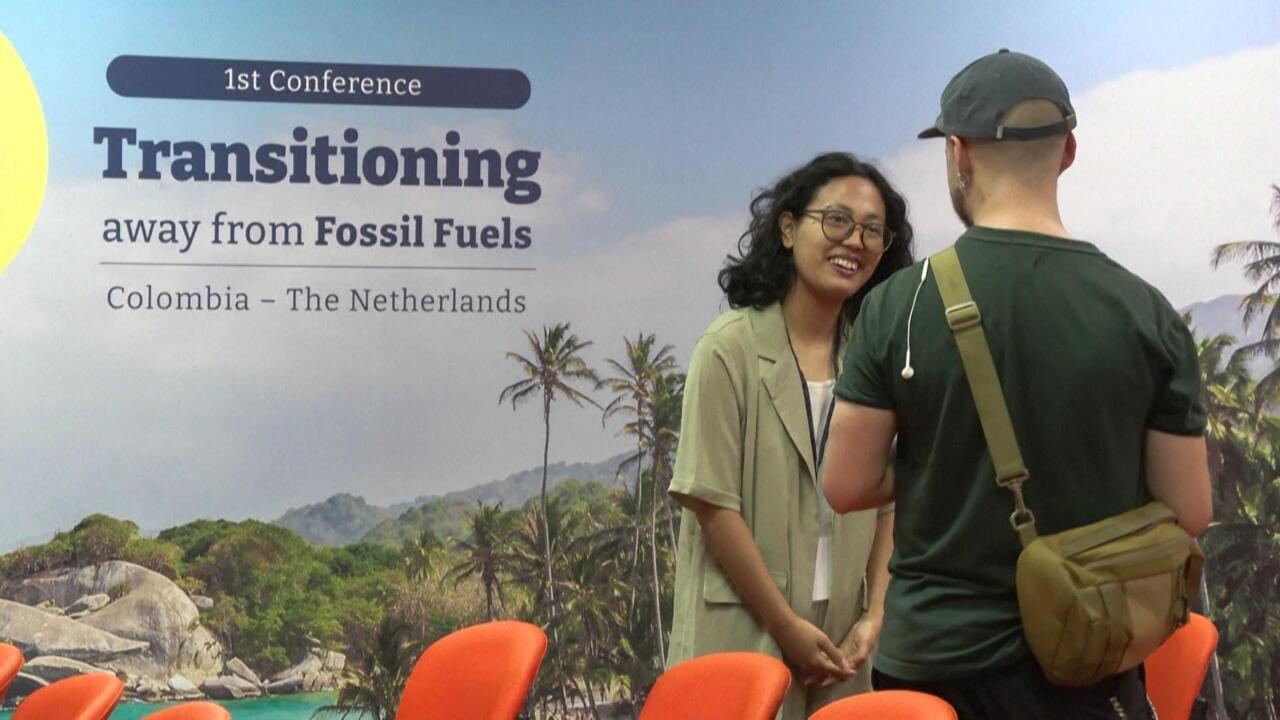
Approximately 60 countries have convened in Santa Marta, a coastal city in Colombia, for the inaugural global conference dedicated to accelerating the phaseout of fossil fuels. This gathering represents a significant shift in diplomatic focus, aiming to address a long-standing deadlock that has persisted within United Nations climate negotiations regarding the future of fossil fuel usage.
The event marks the first time a dedicated global forum has been established specifically for nations wishing to advance the energy transition away from fossil fuels. Participants, who describe themselves as a new force, have assembled to push for action despite decades of stalemate at UN-level COP summits where progress on this specific issue has remained elusive.
The conference in Santa Marta is designed to move beyond the traditional framework of the United Nations climate talks. By creating a separate venue, the participating nations aim to bypass the procedural hurdles that have previously hindered consensus on how to manage the existence and phaseout of fossil fuels within the broader COP structure.
France 24 reports that the gathering brings together a coalition of nations committed to resolving the policy impasse that has characterised recent climate diplomacy. The focus remains strictly on establishing a pathway for accelerating the exit from fossil fuel dependence, a topic that has historically been the most contentious element of international climate agreements.
While the specific outcomes or formal agreements reached at the conference are not yet detailed, the attendance of nearly 60 states signals a concerted effort to alter the trajectory of global energy policy. The participants intend to use this dedicated platform to forge a consensus that has so far proved impossible to achieve within the standard United Nations negotiation cycle.
The gathering underscores a growing desire among a significant bloc of nations to separate the issue of fossil fuel phaseout from the wider, often diluted, discussions of the annual climate summits. This structural change in approach suggests a strategic pivot towards more targeted institutional engagement to overcome the inertia of previous negotiations.