NCAA eligibility rule change threatens to squeeze Class of 2027 recruits
The NCAA’s new five-for-five eligibility rule is expected to reduce turnover in Division I basketball, disadvantaging mid-tier recruits as power-conference schools prioritise returning players and transfer portal acquisitions.
College basketball coaches and analysts warn that the NCAA’s new five-for-five eligibility rule will significantly reduce roster openings for the Class of 2027 high school recruiting class. The rule, which allows student-athletes five years of eligibility over a five-year span, is expected to result in an overwhelming majority of current players retaining their eligibility and remaining in the sport, rather than exiting after their fourth year.
This retention is predicted to disadvantage prospects ranked between 50th and 150th in the 2027 class, who may receive fewer offers from power-conference schools as programs prioritise returning players and transfer portal acquisitions. Data from 247Sports indicates that of the 101 players in the Class of 2027 ranked between 50th and 150th, only 12 are currently committed to a Power-4 school.
In contrast, the 75th-ranked prospect in the Class of 2027 currently holds offers from Boston College, Florida State, Mississippi State, Oklahoma State, Wake Forest, and West Virginia. By comparison, the 75th-ranked prospect in the Class of 2017 received offers from Florida and Louisville before signing with Auburn, highlighting a shift in the prestige of offers available to similar talent levels.
Alabama head coach Nate Oats stated that the current high school class "is going to get screwed a little bit" because players who would typically filter out of college basketball are not doing so. A power-conference coach, speaking on condition of anonymity, expressed uncertainty about signing a borderline top-50 prospect, questioning whether a freshman would be better than returning players and if it was more cost-effective to wait for transfer portal acquisitions.
Coaches from both power conferences and non-power conferences are adjusting recruitment strategies, with some opting to wait for transfers or recruiting high school players to non-power schools with the expectation of future upward mobility. UNLV head coach Josh Pastner advised high school prospects to play at their current level and potentially transfer upwards later, noting that power-conference schools will use their financial resources to acquire transfers in the spring.
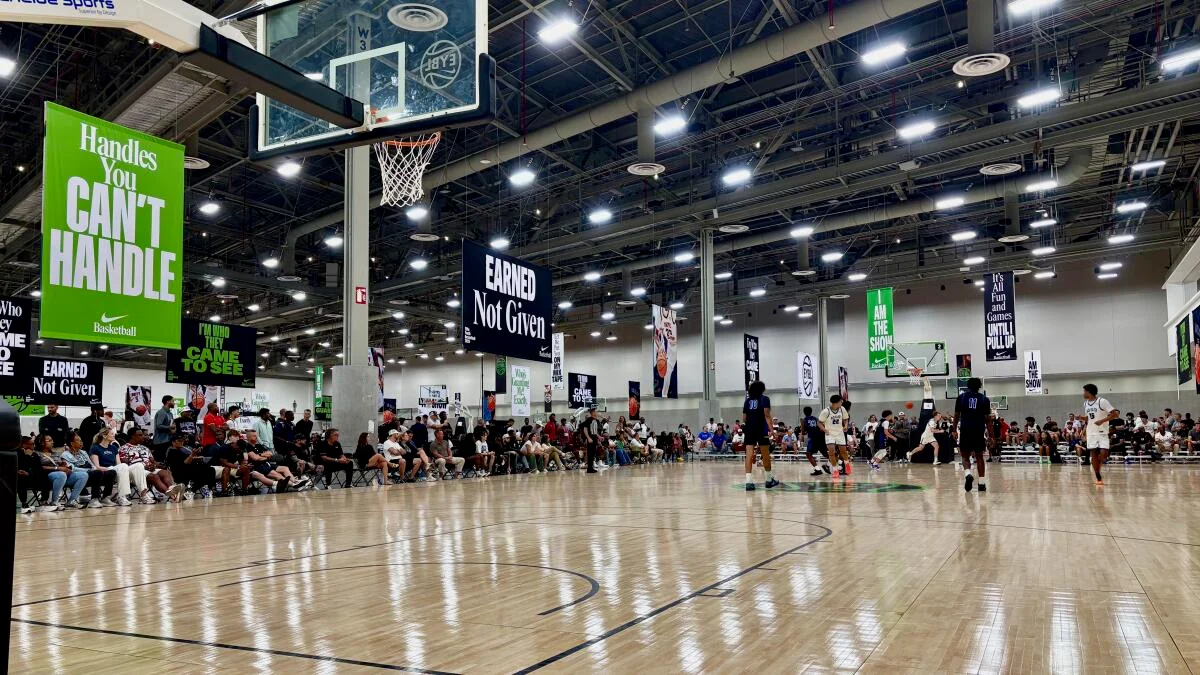
The landscape was recently observed at Nike’s final Elite Youth Basketball League event in Las Vegas, where high-profile coaches such as Eric Dampier and Ja Morant were present. The event underscored the intense scrutiny on the 2027 recruiting trail, even as the structural changes to eligibility begin to reshape the pathways for these athletes.
The consensus among coaching staffs is that the Class of 2027 may be the most squeezed in modern history. With fewer players leaving the sport after their fourth year, the number of Division I spots opening up is expected to be significantly lower than in previous cycles, consolidating talent within power conferences and leaving mid-tier recruits with fewer traditional pathways.