Naval Exchange in Strait of Hormuz Tests Ceasefire Stability and Sends Oil Prices Spiking
President Trump claims US destroyers suffered no damage while Iran accuses Washington of violating the ceasefire; Brent crude jumps nearly three per cent amid fears for the world's most critical oil conduit.
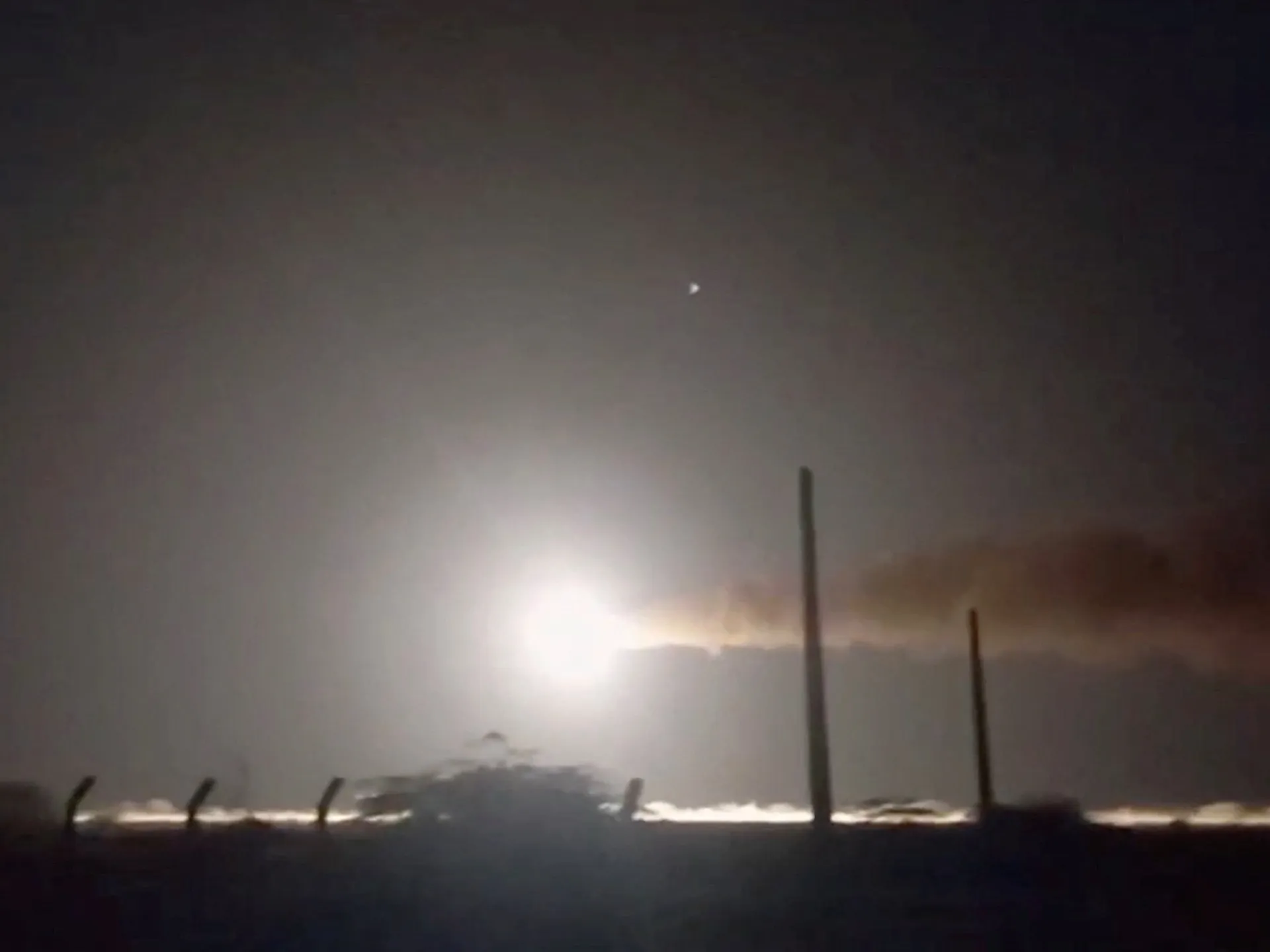
Naval forces from the United States and Iran exchanged fire in the Strait of Hormuz on Thursday, marking the first significant flare-up since a ceasefire took effect on 8 April. The incident has immediately triggered market anxiety regarding the security of the waterway, which serves as a conduit for one-fifth of the world's oil and liquefied natural gas supplies. Consequently, global Brent crude prices spiked nearly three per cent to approximately $103 a barrel, reflecting the volatility inherent in the region's energy infrastructure.
US President Donald Trump stated that three US Navy destroyers transited the strait under fire but emerged without damage. He further claimed that the Iranian attackers suffered "great damage" during the engagement. US Central Command characterised the American actions as self-defence measures taken against unprovoked Iranian attacks involving missiles, drones, and small boats. This narrative is consistent with statements made by Secretary of State Marco Rubio earlier in the week regarding the necessity of acting in self-defence within the strait.
In stark contrast, Iran's top joint military command accused the United States of violating the ceasefire by targeting an Iranian oil tanker and another ship. Tehran also alleged that US forces conducted air strikes on civilian areas in Qeshm Island and southern coastal regions, specifically Bandar Khamir and Sirik. Iranian air defences were reportedly triggered over western Tehran, with the Khatam al-Anbiya Central Headquarters claiming their retaliatory strikes inflicted significant damage on US assets.
The exchange of fire has complicated diplomatic efforts to finalise a peace deal, which are currently underway with Iran reportedly reviewing the latest US proposal. Former US diplomat Donald Jensen described the clash as a "controlled escalation" intended to demonstrate resolve while diplomatic channels remain open. He noted that while a resolution is likely, it may be limited primarily to the passage through the strait, with broader issues such as the nuclear programme temporarily set aside to prioritise the global economy.
The conflict continues against a backdrop of mutual distrust and strategic posturing. Prior to this clash, the US launched a naval blockade of Iranian ports, while Iran has effectively closed the Strait of Hormuz. Sporadic exchanges of gunfire have occurred previously since the truce began, including recent incidents where Iranian missiles targeted the UAE, causing an oil refinery fire in the Fujairah emirate. Despite these military confrontations, both sides have indicated an interest in engaging diplomatically, though the immediate situation remains tense.