NATO Air Policing Intercept: Spanish Jet Downs Drone in Romanian Airspace
A Spanish F-18 fighter jet operating under a NATO mission shot down a drone that entered Romanian airspace from Moldova, with debris falling in an unpopulated area of the Galati region.
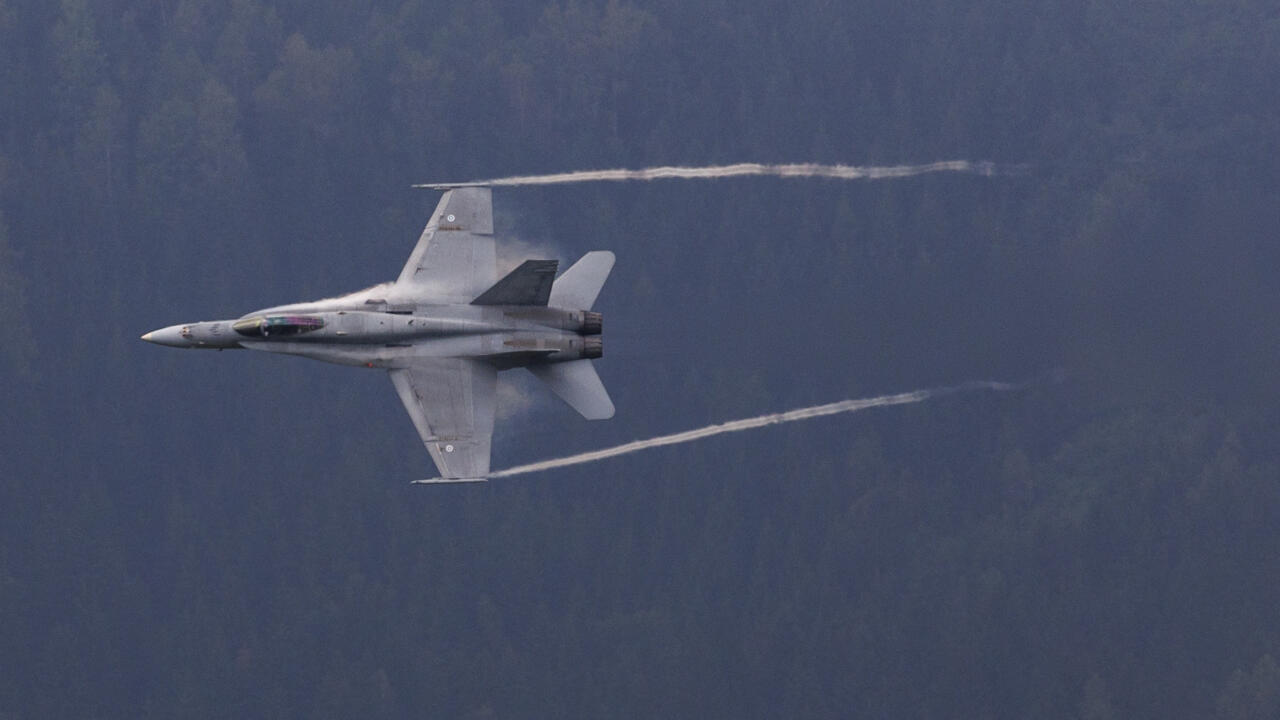
Romania’s defence ministry confirmed on Sunday that a Spanish F-18 fighter jet intercepted and shot down a drone that breached national airspace near the border with Ukraine and Moldova. The incident occurred at 05:01 local time (0201 GMT), marking the fourth such airspace violation reported in Romania this year.
According to the ministry, the drone entered from Moldova and was engaged by the Spanish aircraft, which was deployed on NATO air-policing duties. Debris from the downed drone fell in an unpopulated area of the Galati region, situated close to the Ukrainian border. The ministry did not specify the origin of the drone in its immediate statement, though it has previously attributed similar incidents to Russia.
The event underscores the persistent security challenges facing NATO member states that share a border with Ukraine. Romania’s eastern seaboard, which borders the Black Sea, lies in the immediate vicinity of areas frequently targeted by strikes. Authorities have reported finding drone fragments on Romanian soil several times since 2023, following Russian attacks on Ukrainian ports along the Danube River.
This interception follows a similar incident last month, when Romania shot down a drone for the first time since the 2022 invasion began. That drone had entered the country’s airspace approximately 100 kilometres from Bucharest. The pattern of violations highlights the spillover risks associated with Russia’s war, exposing neighbouring NATO states to potential collateral damage.
Similar airspace breaches have been recorded across NATO’s eastern flank, including in Poland and the Baltic states. On Friday, the alliance reported that Italian fighter jets operating under the same air-policing mission had shot down a drone that entered Latvian airspace. The recurring nature of these incidents suggests a continued difficulty in managing the security perimeter of the alliance’s eastern border.