Nations impose travel bans as WHO raises Ebola risk assessment in DRC
The World Health Organization has elevated its national risk assessment for the Democratic Republic of the Congo to very high following a surge in cases of the rare Bundibugyo strain, prompting immediate border closures and quarantine mandates across multiple jurisdictions.
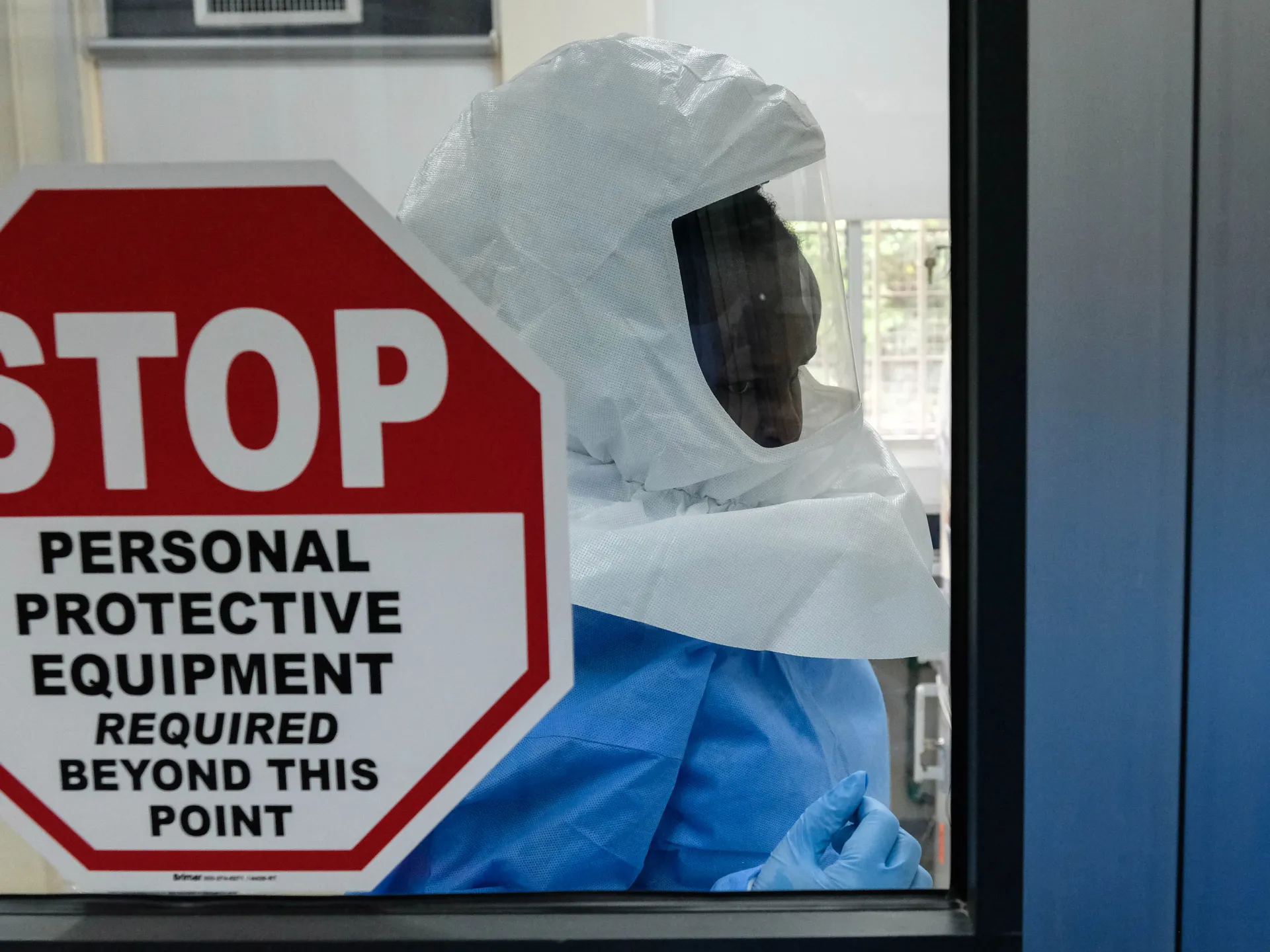
Several governments have implemented strict travel restrictions and border measures in response to an outbreak of the rare Bundibugyo strain of the Ebola virus in the Democratic Republic of the Congo (DRC) and Uganda. The World Health Organization (WHO) has raised its national risk assessment for the DRC to 'very high', citing 10 confirmed deaths and 220 suspected deaths since mid-May 2026. While the global risk remains assessed as low, the rapid spread of the virus has triggered immediate policy responses from Canada, the Bahamas, and the United States.
Canada has banned residents of the DRC, Uganda, and South Sudan from entering the country for 90 days, effective from Wednesday. Canadian citizens, permanent residents, and other foreign nationals who have been in affected areas in recent weeks are required to quarantine for 21 days from May 30, regardless of whether they exhibit symptoms. The Bahamian government has imposed immediate entry restrictions for residents of the affected countries for a period of 30 days, subject to review by its health ministry.
The United States has expanded its existing travel ban to include green card holders who have been in the DRC, Uganda, or South Sudan in the previous 21 days. Previously, the ban applied only to non-citizens. US citizens returning from affected areas are directed to enter via specific airports equipped with enhanced screening: Washington Dulles for flights departing after May 21, Atlanta for flights after May 22, and Houston for flights after May 26.
In the affected region, the DRC and Uganda have suspended internal and cross-border movements to contain the spread. The Congolese Ministry of Transport and Communications suspended all flights to and from Bunia, with exceptions only for humanitarian, medical, and emergency flights approved by authorities. Uganda has halted direct flights, bus, and boat border crossings for four weeks, though freight traffic and essential goods remain permitted.
WHO Director-General Tedros Adhanom Ghebreyesus stated that the epidemic is currently outpacing response efforts due to delays in detection. He noted that while contact tracing and treatment centres are being established, the virus is moving faster than current operations. The United Nations has called on airlines and governments to adhere to International Civil Aviation Organization protocols, urging a focus on exit screening rather than broad border closures.