Nationals weigh Griffin trade against extension as deadline approaches
With the MLB trade deadline imminent, the Washington Nationals must decide whether to move Foster Griffin for prospect capital or retain the All-Star starter via a potential contract extension.
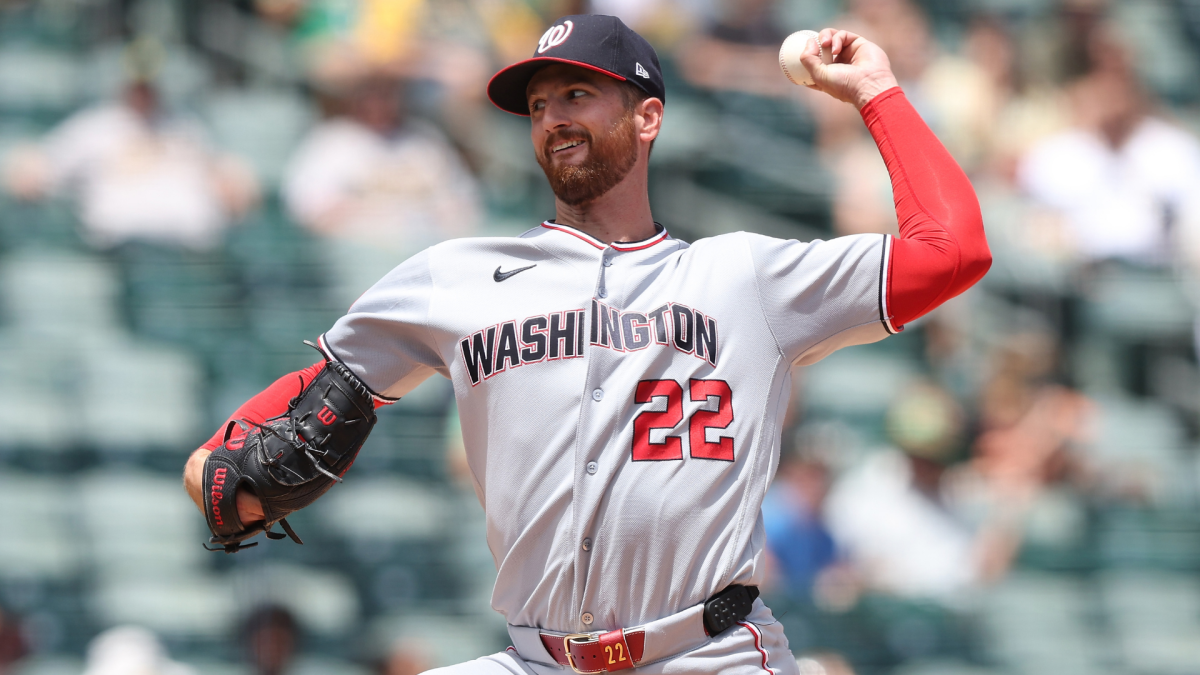
The Washington Nationals stand at a critical juncture as the MLB trade deadline nears, with pitcher Foster Griffin emerging as the organisation’s most significant strategic asset. Griffin, who posted a 2.68 earned run average after returning from Japan, has become a pivotal figure in Washington’s decision-making process. The front office faces a binary choice: trade Griffin for prospects to bolster a farm system that has shown marked improvement, or retain him, potentially through an extension, to capitalise on the team’s current momentum.
The Nationals are currently 52-51, marking their first time above the .500 mark this late in the season since their 2019 World Series campaign. This performance follows five consecutive 90-loss seasons and represents a tangible shift in the club’s trajectory. Rookie manager Blake Butera has noted the unique atmosphere within the clubhouse, acknowledging that while the team is aware of the trade deadline dynamics, the players are enjoying the meaningful baseball they are playing in July.
Griffin’s individual performance has been instrumental in this resurgence. He has recorded eight consecutive starts allowing no more than one earned run, setting a Nationals record for the longest such streak since 2005, excluding openers. Griffin, who is 31 years old, has made 20 starts for 117 ⅓ innings, ranking in the top 15 in baseball for total innings pitched. His underlying metrics include a 3.97 fielding independent pitching (FIP) and a 3.89 expected ERA, figures that suggest consistent, high-quality pitching despite not relying on overpowering velocity.
His success is attributed to a diverse arsenal of seven pitches, each used at least 7% of the time. This variety, developed during his tenure with the Yomiuri Giants from 2023 to 2025, allows him to keep batters guessing. In Japan, Griffin posted a 2.50 ERA over 371 ⅓ innings and was named an All-Star in 2025. He returned to Major League Baseball on a one-year, $5.5 million contract, with approximately $1.8 million remaining for the rest of the season, making him an attractive, cost-controlled option for any team.
Despite the team’s positive trajectory, FanGraphs projects a 6.6% chance of the Nationals reaching the postseason, reflecting stiff competition in the National League. This low probability complicates the decision to trade Griffin. While a trade comparable to Merrill Kelly, who was dealt for three prospects last summer, offers a path to acquire young talent, the return may not justify losing a pitcher of Griffin’s calibre. Furthermore, the team’s slim postseason odds do not eliminate the possibility of a run, and the energised fanbase adds pressure to remain competitive.
An alternative path involves retaining Griffin through a contract extension. Benchmarking against Cody Ponce’s three-year, $30 million contract with the Toronto Blue Jays, a deal around $10 million annually would be below market rate for a pitcher of Griffin’s quality. Additionally, Griffin could be a qualifying offer candidate, with the projected offer for the upcoming winter in the $22.5 million range. If he declines, Washington would receive a draft pick, providing a fallback option if trade offers are deemed insufficient.
The decision ultimately hinges on whether the Nationals believe the trade market will offer a package significant enough to outweigh the value of keeping a proven starter. With the deadline 10 days away, the outcome remains fluid, dependent on recent performance and the pragmatism of potential trade suitors. Regardless of the decision, Griffin’s return to MLB has been a success, validating the Nationals’ offseason strategy.