NASA’s X-59 Breaks Sound Barrier in First Supersonic Flight
The experimental aircraft reached Mach 1.1 during an 81-minute flight, advancing goals for quiet supersonic travel over land.
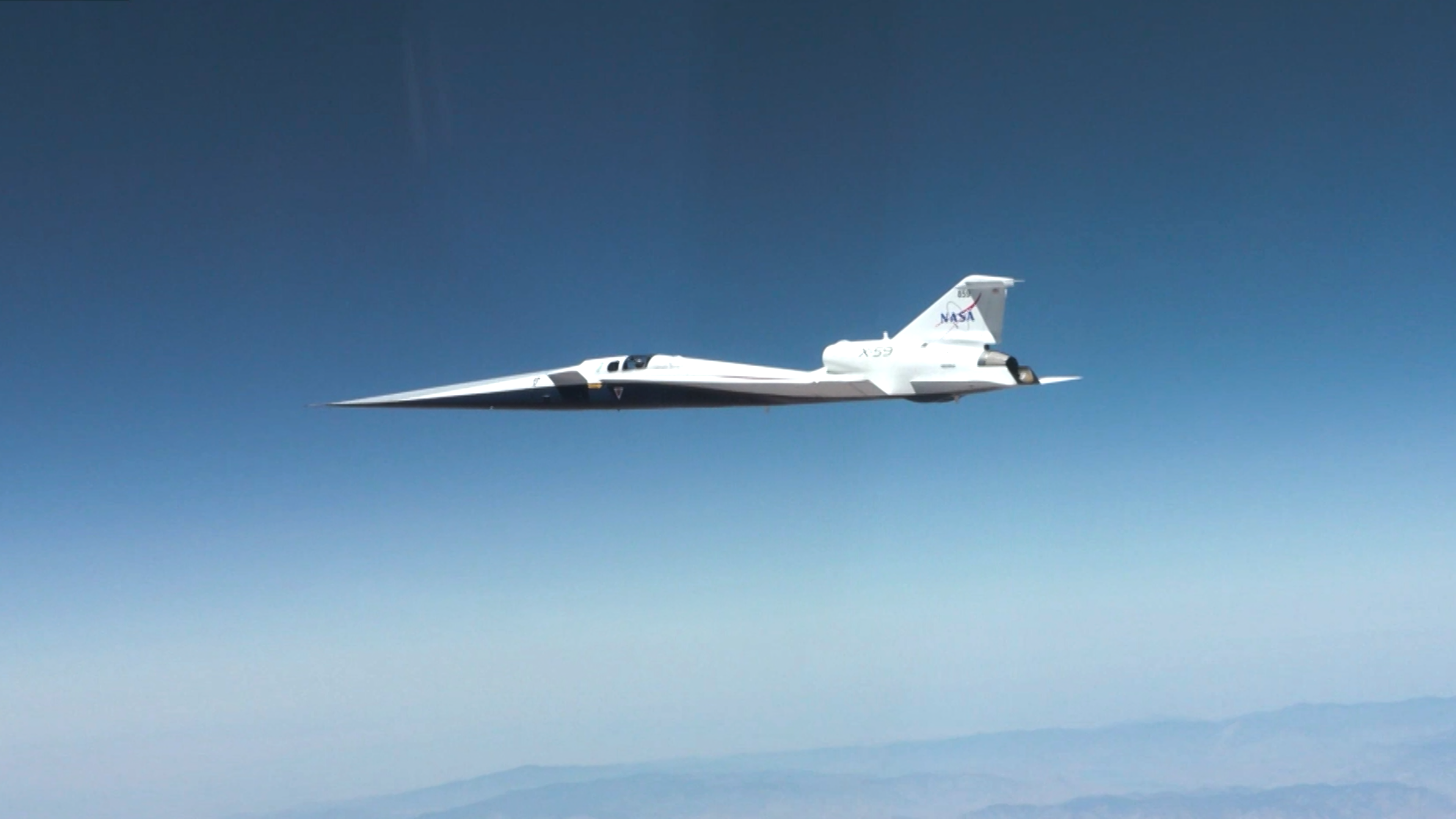
NASA’s experimental X-59 aircraft has flown faster than the speed of sound for the first time, marking a significant milestone for the agency’s Quesst mission. The flight occurred on June 5, 2026, at Edwards Air Force Base in California, where test pilot Jim “Clue” Less piloted the aircraft from takeoff to landing.
During the 81-minute flight, the X-59 reached a top speed of approximately Mach 1.1, equivalent to 713 mph. According to NASA, the team focused on assessing flying qualities at both subsonic and supersonic speeds throughout the mission. This successful supersonic transition sets the stage for demonstrating the aircraft’s quiet supersonic capabilities later in 2026.
The X-59 serves as the centerpiece of NASA’s Quesst mission, which aims to demonstrate quiet supersonic flight technology. The long-term objective of the mission is to help enable commercial supersonic flight over land worldwide. Historically, supersonic flights over land have been restricted due to concerns regarding sonic booms, a regulatory landscape the Quesst mission seeks to change through technological demonstration.
By proving that supersonic flight can be conducted with reduced noise impact, the mission aims to facilitate faster travel times for future commercial aviation. The successful test provides critical data that could allow travelers to reach their preferred destinations more quickly, spending less time in the air.
While the supersonic milestone has been achieved, the specific date for the upcoming demonstration of quiet supersonic capabilities remains undefined, with NASA stating it will occur later this year. The impact on commercial aviation timelines is projected as a future benefit rather than a confirmed immediate outcome.