NASA’s X-59 Achieves First Supersonic Flight in Quiet Revolution Milestone
The X-59’s first supersonic flight marks a critical step in NASA’s Quesst mission, with the agency preparing for higher-speed tests to validate its ‘quiet thump’ technology.
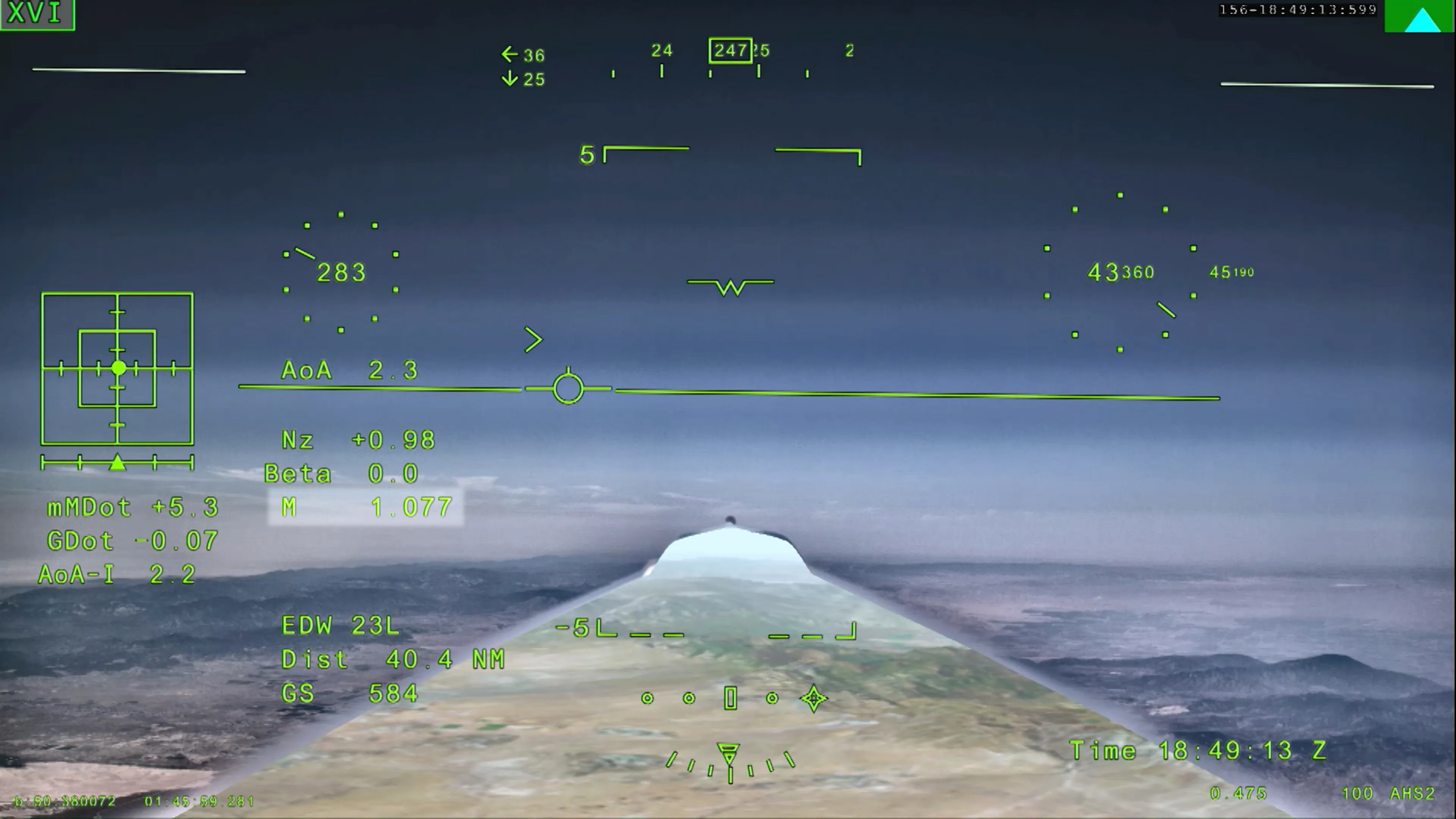
NASA’s experimental X-59 aircraft has successfully flown faster than the speed of sound for the first time, marking a significant milestone for the agency’s Quesst mission. The flight occurred on Friday, June 5, with test pilot Jim “Clue” Less piloting the aircraft from Edwards Air Force Base in California. The 81-minute mission began at 11:08 a.m. PDT and reached a top speed of approximately Mach 1.1, equivalent to 713 mph, at an altitude of 43,400 feet.
The aircraft is the cornerstone of NASA’s Quesst mission, developed in collaboration with Lockheed Martin Skunk Works. Its primary design objective is to demonstrate quiet supersonic flight capabilities, specifically producing a “quiet thump” rather than the loud sonic boom associated with conventional supersonic aircraft. This distinction is critical for enabling future commercial supersonic flight over land, a sector currently restricted by noise regulations.
NASA Administrator Jared Isaacman highlighted the rapid progress of the programme, noting that the team has completed 16 flights in the last 90 days since the X-59’s first flight on October 28, 2025. Isaacman stated that the team expects to push the aircraft to Mach 1.4 in the coming days, describing the achievement as a testament to American leadership in science and engineering. He also expressed gratitude to the NASA team and Lockheed Martin Skunk Works for their contributions to rebuilding the X-plane portfolio.
Michael Kratsios, Assistant to the President for Science and Technology, commented on the achievement, linking it to the Trump Administration’s efforts to enable supersonic flight. He described the milestone as a demonstration of American ingenuity and noted that the administration continues to work on policies to unleash supersonic flight capabilities.
The current phase of testing involves “envelope expansion” to verify performance at various speeds and altitudes. For this specific flight, a NASA F-15 chase plane monitored the X-59, although the sonic booms from the F-15 obscured any sound generated by the experimental aircraft. Data gathered from future flights will be shared with U.S. and international regulators to help establish new noise standards for supersonic commercial flight.
In just days, the X-59 is scheduled for its first “mission conditions” flight, targeting a cruising speed of Mach 1.4 (925 mph) and an altitude of approximately 55,000 feet. These conditions will serve as the base for future flights over U.S. communities, where NASA will gather data on how the public perceives the aircraft’s sound profile. This data is intended to support the development of design tools and technology for quiet supersonic airliners, aiming to reduce travel times without disturbing communities on the ground.