NASA’s fabrication team turns engineering concepts into mission-ready hardware
Master fabricators at the US space agency’s California centre use advanced manufacturing tools to build custom components for research aircraft, aiming to improve aviation safety and efficiency.
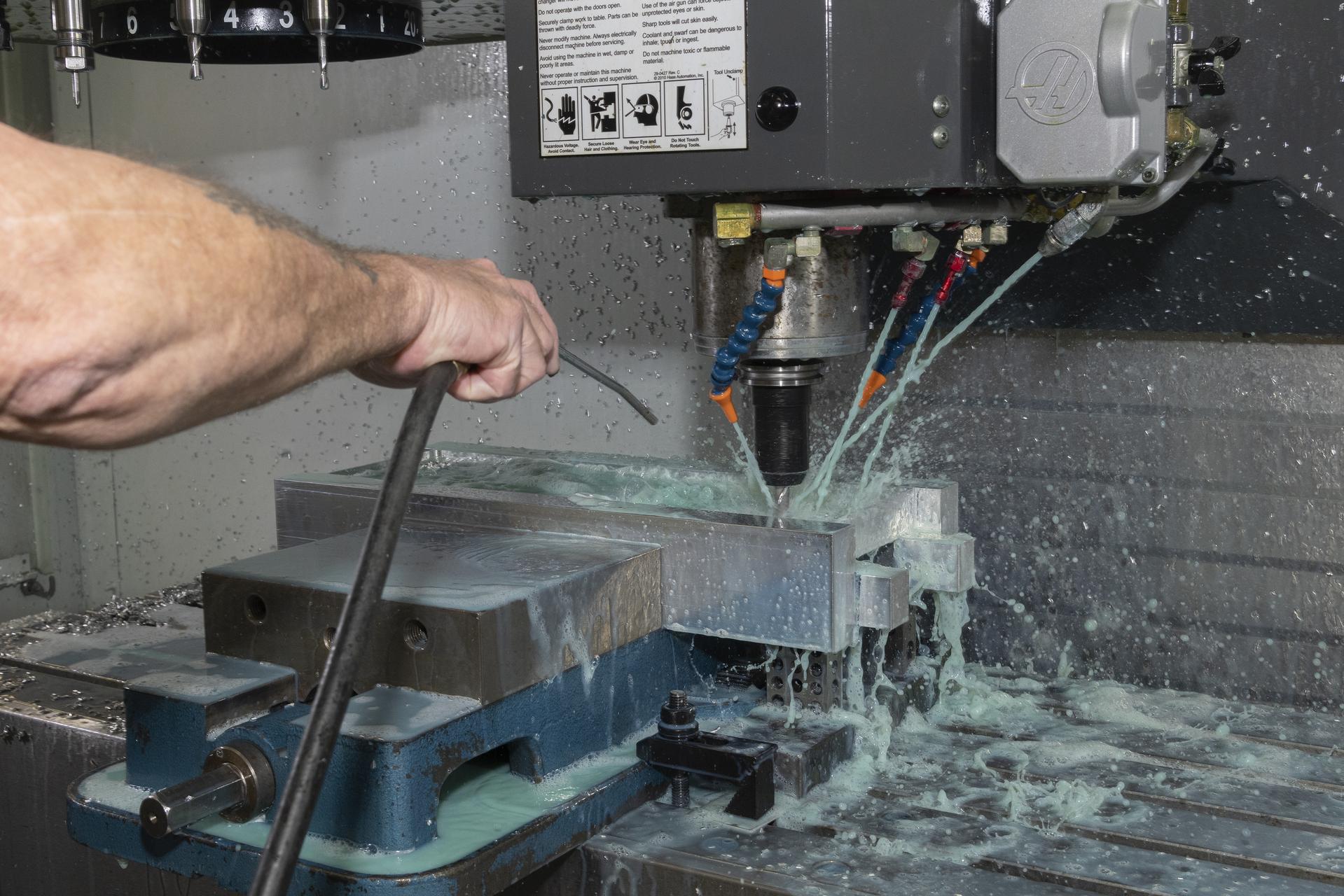
Innovation at NASA often begins long before an aircraft leaves the ground. The Experimental Fabrication Branch, located at the agency’s Armstrong Flight Research Center in Edwards, California, serves as a full-service manufacturing, modification, and repair centre for the fleet of research and science aircraft. The branch transforms engineering concepts into mission-ready hardware, supporting technology development and research efforts.
The team specialises in precision machining, sheet-metal forming, aircraft tubing, welding, additive manufacturing, composite fabrication, and structural repairs. Engineering technicians in the branch bring decades of experience as master fabricators. They design and build unique components, rapid prototypes, and flight-critical structures that meet NASA’s rigorous safety and performance standards.
Recent activities highlight the branch’s versatility. The team supported the AIRVUE (Airborne Instrumentation for Real-world Video of Urban Environments) sensor pod, designed to support autonomous-flight research. The fabrication team converted digital designs into a fully functional structure, ensuring it met strict safety requirements before deployment. Other recent projects include the fabrication of advanced wing models and custom lightweight aircraft floorboards.
To convert digital models into hardware, the branch utilises computer-aided design and manufacturing tools, including Pro E/Creo, MasterCam, and SolidWorks. NASA Armstrong integrates the fabrication team from early design through final assembly and aircraft installation. This continuous involvement is described as distinct from environments where work transitions between multiple contractors, helping to shorten development timelines and reduce design-to-hardware mismatches.
The branch’s work aims to improve aviation safety, efficiency, and sustainability for the public benefit. Beyond mission support, the team engages in STEM outreach. During local robotics competitions, technicians use mobile fabrication equipment to repair student-built robots and demonstrate machining and welding techniques, introducing students to technical career paths.
The Experimental Fabrication Branch’s capabilities extend to both aerospace and ground-based applications. Whether supporting experimental aircraft, enabling new technology demonstrations, or guiding students through hands-on fabrication, the branch helps advance NASA’s mission. The team builds every component with mission success in mind, shaping composite structures by hand or producing precision-milled parts as required.
This integrated approach strengthens coordination with engineering teams and flight operations. By maintaining the fabrication team within the design process, NASA Armstrong ensures that hardware meets the specific needs of research aircraft. The branch’s role remains essential in delivering advancements that benefit the public.