NASA’s 1966 Spacewalk Crisis: How Gene Cernan’s Struggle Reshaped Lunar Preparation
A grueling two-hour excursion by astronaut Gene Cernan in June 1966 exposed severe flaws in early spacesuit technology, leading to vital improvements in training and design ahead of the Moon landings.
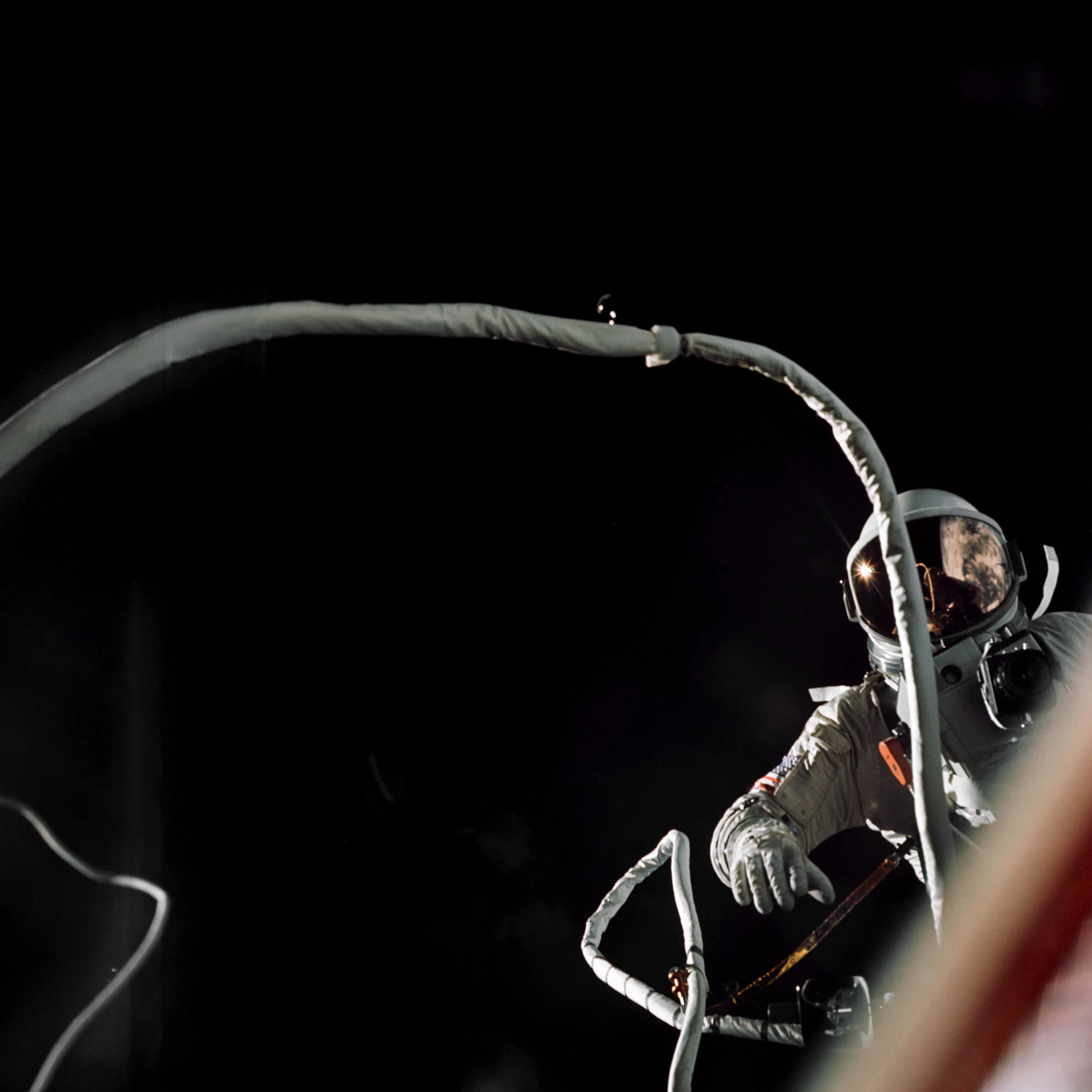
On June 5, 1966, NASA astronaut Gene Cernan undertook the United States’ second extravehicular activity (EVA) during the Gemini IX-A mission. Originally scheduled for the Gemini VIII mission, the spacewalk was reassigned to Gemini IX-A after the earlier mission ended prematurely. This event marked a critical juncture in space exploration, occurring just one year after Edward H. White completed NASA’s first spacewalk during the Gemini IV mission.
Cernan’s excursion began on the mission’s third day but quickly deteriorated due to equipment limitations. He encountered a spacesuit that was excessively rigid, forcing him to exert intense effort for even the simplest movements. The suit’s cooling system, which relied on the circulation of oxygen, proved insufficient for the physical strain, causing Cernan to sweat profusely and become exhausted within minutes.
The physiological toll on the astronaut was severe. His heart rate climbed to approximately 180 beats per minute, and his helmet fogged over completely, obstructing his view of the spacecraft and the surrounding space. As concerns mounted that he might lose consciousness, mission controllers terminated the EVA after two hours and eight minutes, prioritising Cernan’s health over the completion of the planned tasks.
Upon the return of Gemini IX-A to Earth, medical examinations revealed the extent of the physical stress Cernan had endured. Doctors determined that he had lost 13 pounds during the three-day mission, with the majority of this weight loss attributed to water loss sustained during the spacewalk. This data provided concrete evidence of the metabolic demands of early spacewalking.
The challenges faced by Cernan directly influenced significant improvements in astronaut training, EVA procedures, and spacesuit design. These refinements were essential steps in preparing astronauts for the more demanding lunar surface missions that would follow a few years later, ensuring that future explorers would be better equipped to handle the rigours of extravehicular activity.