NASA watchdog warns Kennedy Space Center infrastructure cannot support commercial launch surge
Aging systems and shrinking maintenance budgets threaten to bottleneck high-frequency launches from Starship and New Glenn by 2029
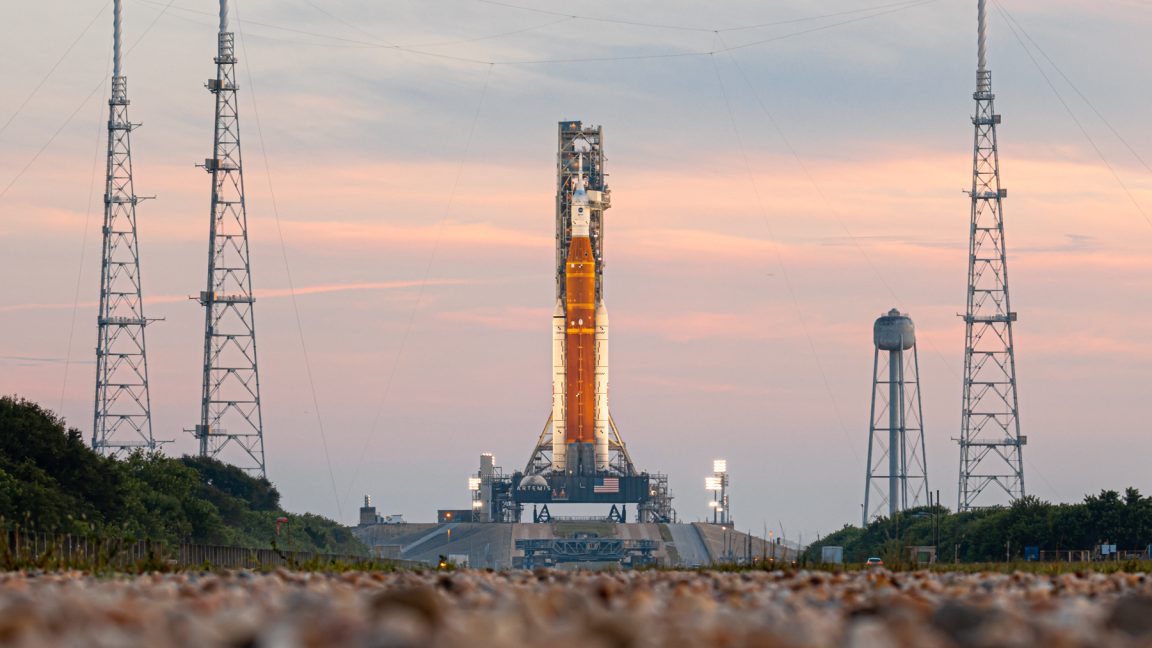
A report from the NASA Office of Inspector General has concluded that launch infrastructure at the Kennedy Space Center is aging and ill-equipped to handle the escalating demands of commercial spaceflight. The assessment identifies critical deficiencies in power distribution and gaseous nitrogen supply, warning that the facility is approaching its operational limits as private companies like SpaceX and Blue Origin prepare for high-frequency super-heavy rocket launches.
The inspector general’s review highlights a strained electricity distribution system and an insufficient gaseous nitrogen pipeline that cannot simultaneously support Blue Origin’s New Glenn and United Launch Alliance’s Vulcan Centaur vehicles. These bottlenecks already caused scheduling delays for the New Glenn-1 mission in January 2025. Officials warned that without expansion, future Space Launch System launches could face one-to-two-month blackout periods due to nitrogen shortages.
Commercial launch cadences are projected to outpace existing capacity significantly. SpaceX has informed NASA of plans to launch Starship every eight days from Launch Complex 39A to support orbital propellant depots, with estimates suggesting up to 120 annual Starship launches from Florida by 2035. Blue Origin similarly projects 120 annual New Glenn launches by that date and has expressed interest in developing a third launch pad north of existing NASA facilities.
The report notes that annual launches and test firings may exceed the number of days in a year by late 2028 or 2029, placing significant strain on roads and utility systems. While a $25 million project to expand nitrogen capacity has been identified, it remains unfunded. Additionally, existing laws make it difficult for NASA to accept commercial contributions for large-scale, shared infrastructure upgrades.
Financial constraints compound the physical limitations. NASA’s budgets for launch infrastructure maintenance and construction have decreased by 11 to 47 per cent, adjusted for inflation, since 2021. The agency faces a widening gap between the exponential growth of commercial launch activity and the resources available to maintain the aging infrastructure required to support it.