NASA volunteer builds AI tool to track rare noctilucent clouds
Namai Chandra’s new classification system helps distinguish high-altitude night-shining clouds from lower-altitude look-alikes, supporting citizen science efforts to monitor potential shifts in Earth’s weather patterns.
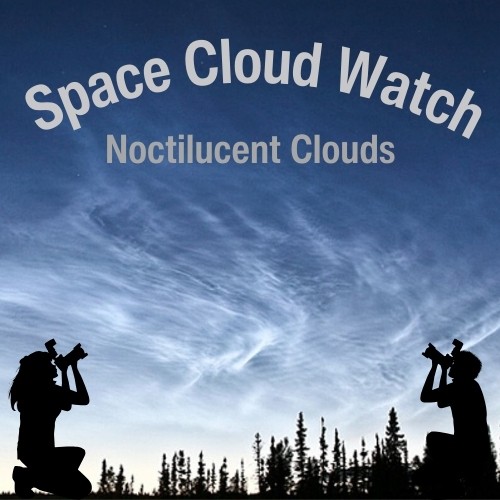
NASA’s Space Cloud Watch project has introduced a new machine-learning tool designed to assist volunteers in identifying noctilucent clouds, also known as night-shining clouds. The development, led by volunteer Namai Chandra in collaboration with project scientists, aims to streamline the verification process for images submitted by citizen scientists around the world.
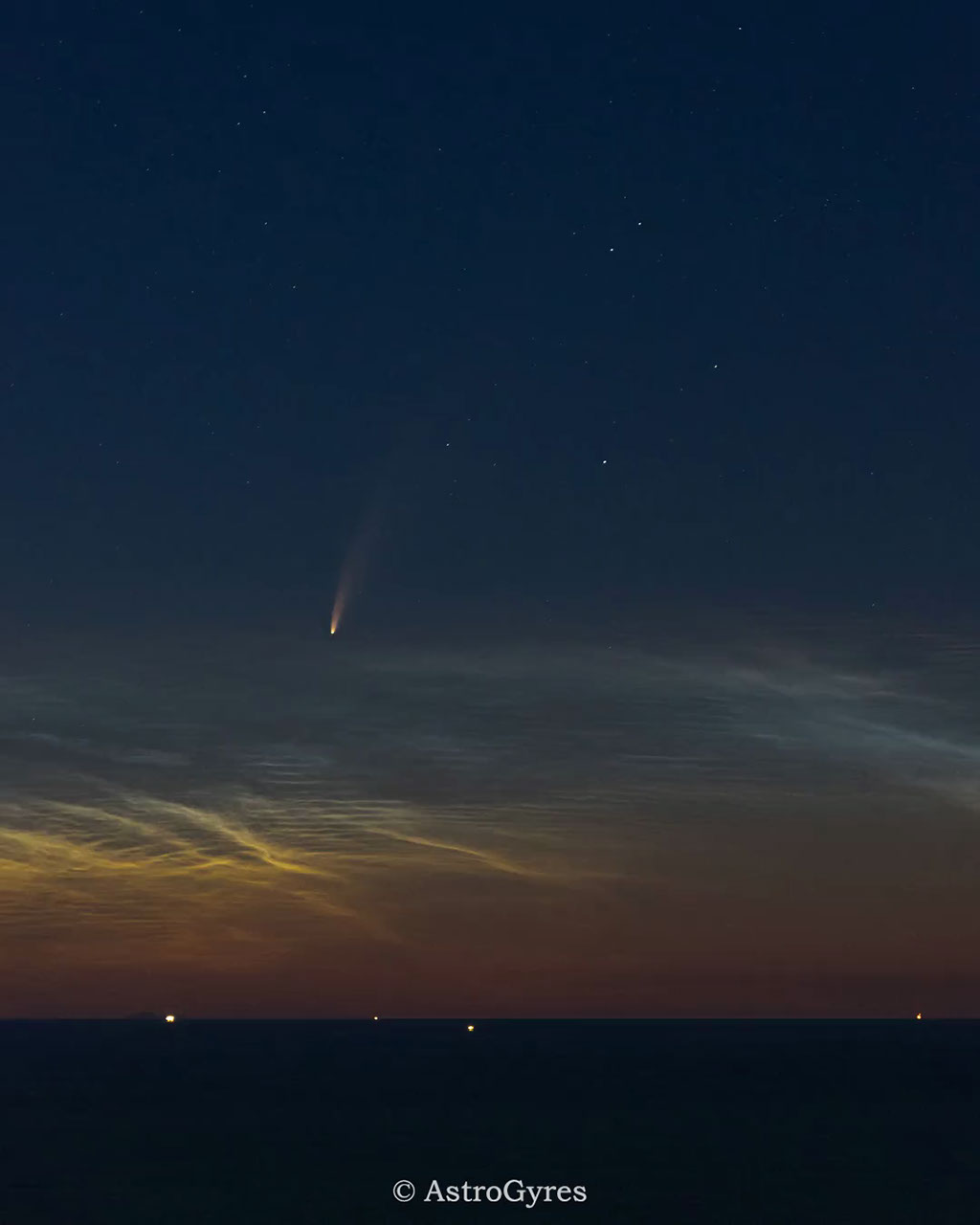
Noctilucent clouds appear high in the mesosphere and scatter sunlight long after sunset and before sunrise, creating a distinctive silvery glow. However, distinguishing these rare formations from lower-altitude clouds that can appear similar is challenging. This difficulty has historically created a significant manual verification burden for project leaders, who must review submissions to confirm whether they are indeed noctilucent clouds.
Chandra identified this bottleneck and proposed a human-in-the-loop machine learning pipeline to automate the repetitive screening of images. He developed the tool in partnership with Space Cloud Watch scientists Dr Chihoko Cullens and Dr Brentha Thurairajah, training the system on a variety of cloud images that included both noctilucent clouds and their lower-altitude look-alikes.
The resulting pipeline combines image pre-screening, cloud classification, and confidence-based review routing. After several rounds of development and testing, the tool was released to the project to help contributors verify their observations before sharing them. It is now available for cloud contributors to check their images and for project scientists to flag specific images for further review.
The Space Cloud Watch project relies on global volunteers with cameras to submit fresh images of these clouds. Scientists are using this data to investigate factors that may be influencing changes in noctilucent cloud behaviour, such as shifts in Earth’s long-term weather patterns. The new tool allows volunteers to contribute more efficiently, ensuring that high-quality data is available for ongoing atmospheric research.