NASA validates palm-sized processor with 500-fold computing leap for deep space missions
The radiation-hardened chip aims to support future lunar and Martian exploration by processing vast sensor data without human intervention
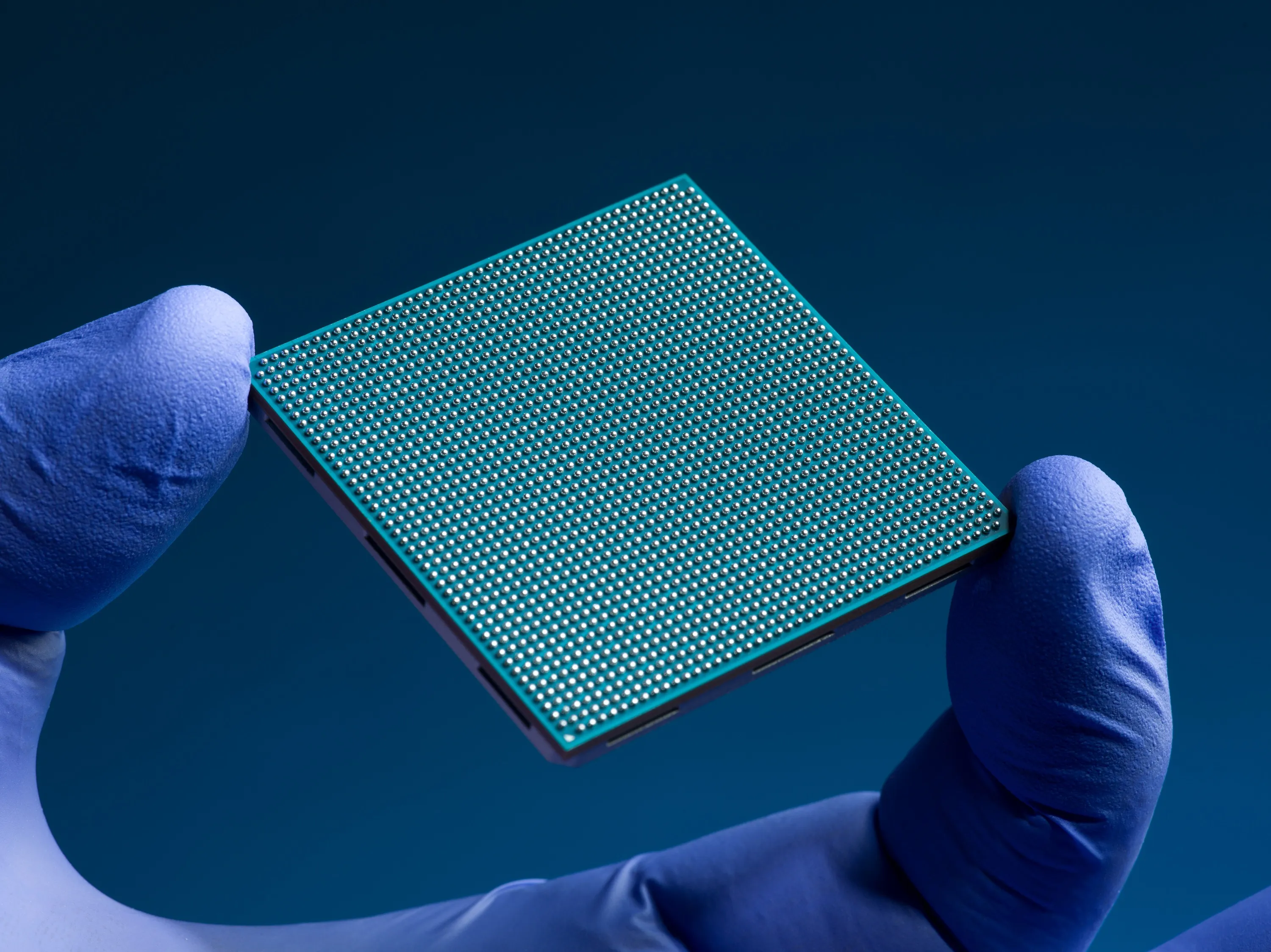
NASA's Jet Propulsion Laboratory has confirmed promising results after subjecting a new high-performance space processor to rigorous environmental testing. Developed through a partnership between the agency and Microchip Technology Inc., the system-on-a-chip is designed to deliver up to 500 times the computational capacity of current radiation-hardened chips used in spaceflight.
The validation process, which commenced in February, involved exposing the device to radiation, thermal extremes, and shock conditions that mimic the harsh environment of deep space. These tests are critical because high-energy particles from the Sun and interstellar space can cause errors in older electronics, forcing spacecraft into safe mode where nonessential operations shut down. The new processor is built to endure these challenges while remaining compact enough to fit in the palm of a hand.
Initial data indicates the technology is operating as designed, offering a significant upgrade over decades-old hardware that prioritises reliability over processing power. This increased capacity is vital for enabling fully autonomous spacecraft capable of navigating complex environments without human input. The chip will allow missions to the Moon and Mars to process huge volumes of sensor data in real time, accelerating the rate of scientific discovery.
The project is managed by NASA's Game Changing Development program at Langley Research Center, with technical leadership provided by JPL. A symbolic milestone occurred at the start of the testing phase when the team sent an email with the subject line "Hello Universe," referencing early computer development history. Samples of the processor have since been provided to early access partners in the defence and commercial aerospace industries.
Beyond space exploration, the versatility of this high-performance computing system supports transformative tools for Earth-based industries such as aviation and automotive manufacturing. While system-on-a-chip technology is common in consumer electronics like smartphones, this specific iteration is engineered to survive millions of miles from the nearest repair technician. Once certified for spaceflight, the chip is expected to be incorporated into the computing hardware for many of the agency's Earth orbiters and rovers.