NASA upgrades critical water infrastructure at Stennis Space Center for Artemis missions
Crews drained 40 million gallons from the High Pressure Industrial Water Facility to replace an end-of-life pump and modify piping configuration, supporting future Artemis mission tests.
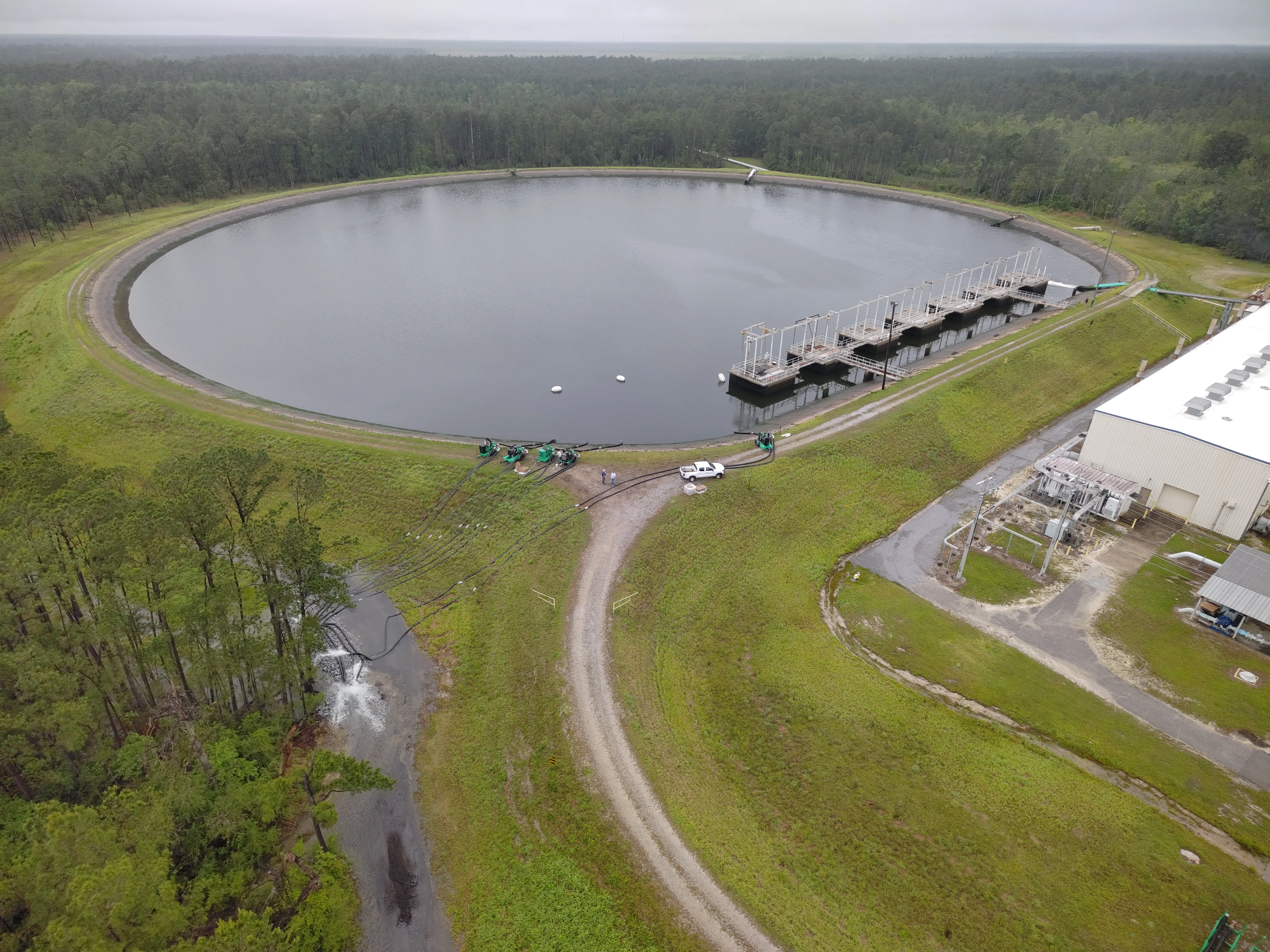
Crews at NASA’s Stennis Space Center in Mississippi have completed a significant upgrade to the High Pressure Industrial Water Facility, a critical component of the testing ecosystem for the Artemis missions. The maintenance operation involved draining approximately 40 million gallons from the facility’s 66-million-gallon reservoir over a three-day period in May, lowering the water level to its lowest point since the reservoir was constructed in the 1960s.
The primary objective of the operation was to replace a 3,000-gallon-per-minute pump that supplies water for fire suppression to the test complexes. Justin Lucas, NASA project manager, stated that the previous pump had reached its end of life, and the replacement aims to promote reliability for future testing operations. The reservoir, which measures 800 feet in diameter and is approximately 25 feet deep, was lowered to the necessary level to facilitate this hardware replacement.
In addition to the new pump, the facility’s piping configuration has been modified from a 14-inch-to-10-inch setup to a 14-inch-to-12-inch configuration. Lucas described the previous setup as inefficient, noting that the narrowing pipe required more work from the system to move water. The upgraded configuration reduces water velocity while maintaining the same flow, which is projected to extend the lifespan of the pipes, pump, and associated hardware.
The water system is essential for cooling rocket engine exhaust during tests for the RS-25 engine at the Fred Haise Test Stand. A typical test consumes approximately five million gallons of water to cool exhaust temperatures that can reach 6,000 degrees Fahrenheit, supply the flame deflector, and suppress sound. The water used during these tests is recycled through an on-site canal system before returning to the reservoir, ensuring efficient use of resources for repeated testing cycles.
NASA Stennis Space Center serves as America’s largest multiuser propulsion test site, supporting both NASA’s Artemis missions and commercial companies. The recent upgrades to the water system strengthen the vital infrastructure required to generate critical data on engine safety and reliability. While the specific dates of the draining operation and the completion of the upgrades are not detailed in the source material, the facility remains operational for ongoing testing activities.