NASA to unveil first new wind tunnel in 40 years at Virginia facility
The US space agency invites media to a ribbon-cutting ceremony on July 31, highlighting the state-of-the-art asset’s role in supporting the Artemis program and lunar base development.
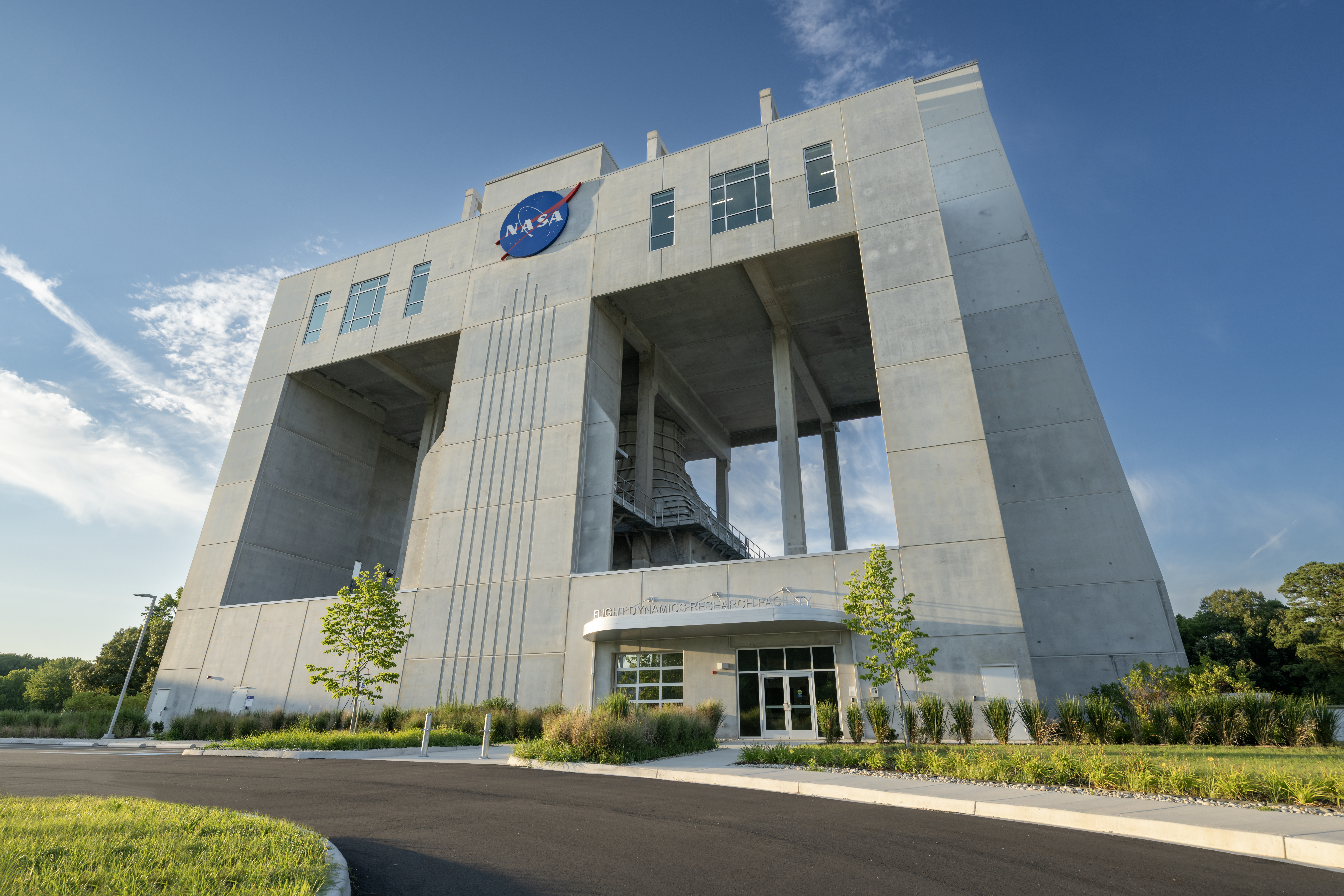
NASA has invited members of the media to a tour and ribbon-cutting ceremony for the Flight Dynamics Research Facility at its Langley Research Center in Hampton, Virginia. The event is scheduled for Friday, July 31, and marks the opening of the agency’s first new wind tunnel in more than 40 years.
The facility is described by the agency as a state-of-the-art asset designed to support research and technology development. Its capabilities will advance NASA’s aeronautics, exploration, and science goals, including objectives related to the Artemis program and the development of a Moon Base. The opening is characterised by the agency as a major milestone in the evolution of US aeronautics and space research capabilities.
Attendance at the event is restricted to US citizens or lawful permanent residents and will be held in person only. Media representatives interested in participating must RSVP by 5 p.m. EDT on Wednesday, July 29. Requests should be directed to Kimiko Booker and Brittny McGraw at NASA Langley.
While the specific start time and detailed schedule for the tour and ceremony have not yet been released, the agency has stated that further timing information will be shared closer to the event. Media accreditation policies are available online for those seeking to attend.
The new infrastructure at Langley represents a significant update to the agency’s testing capabilities, which have not seen a major new wind tunnel addition in over four decades. The facility is intended to provide the necessary data and technology development support for future exploration missions and sustained human presence on the lunar surface.