NASA to launch combined student experiments on sounding rocket from Wallops
The Terrier-Improved Malemute rocket will lift off from Virginia on June 24, carrying experiments developed by 250 participants from 38 educational institutions.
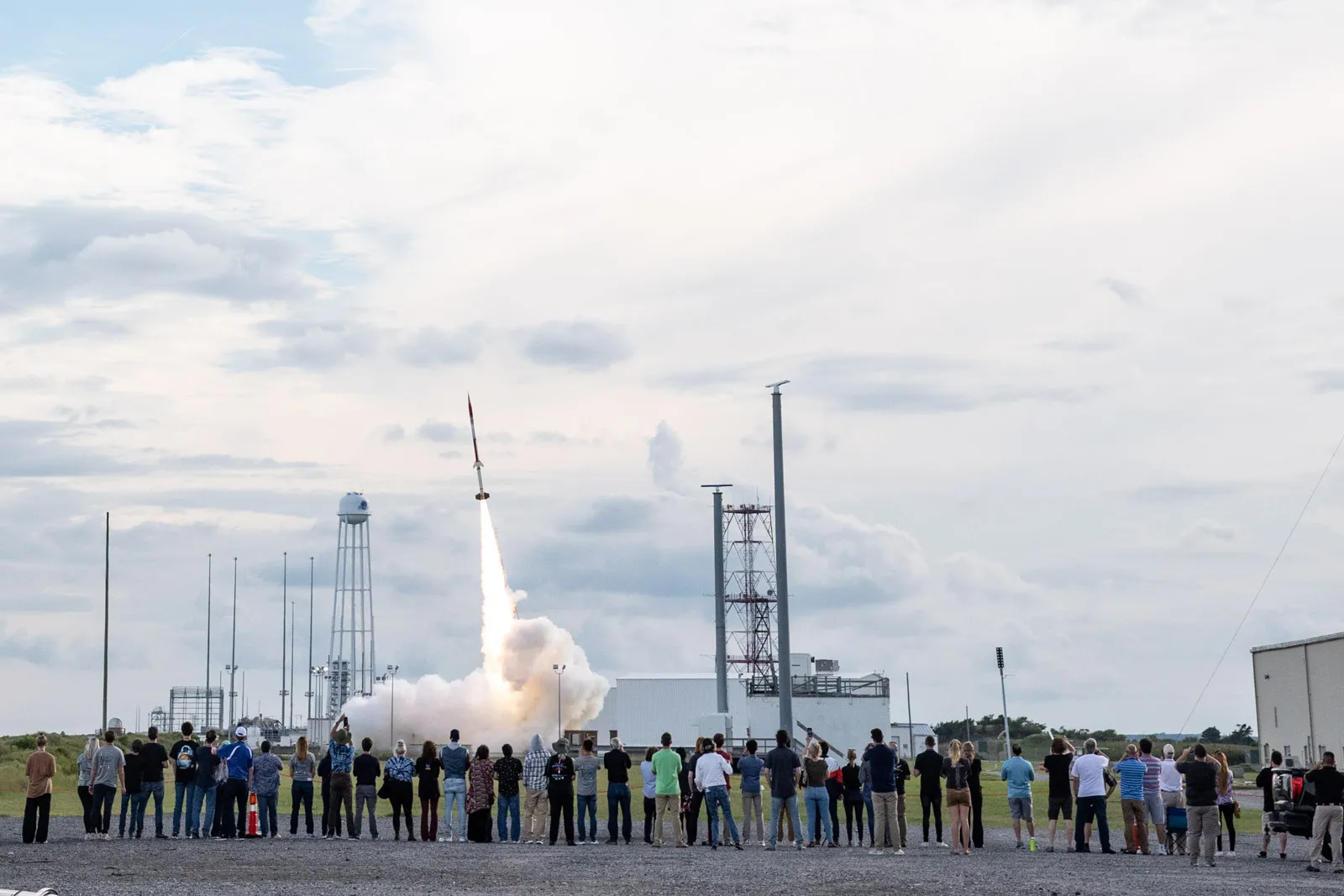
NASA’s Wallops Flight Facility in Virginia is scheduled to launch a Terrier-Improved Malemute sounding rocket carrying student-developed experiments for the agency’s RockSatX and RockOn programs. The launch window is set for Wednesday, June 24, between 5:30 and 9:30 a.m. EDT, with Thursday, June 25, designated as a backup date.
This mission marks the first time NASA has combined both RockSat and RockOn missions into a single rocket. The payload includes nearly 50 experiments developed by approximately 250 participants from 38 university and community college teams. Victoria Stoffel, workforce development lead at NASA Wallops, noted the logistical complexity of the task, stating that the Sounding Rocket Program Office team found creative ways to fit the extensive hardware onto one vehicle.
The RockSat and RockOn programs are designed to provide technical training and hands-on experiences that prepare students for careers in the United States aerospace industry. RockOn teams build their experiments onsite, gaining practical experience assembling circuit boards from scratch before launch. The more advanced RockSat program teams design and construct their experiments, undergoing design reviews modelled on larger NASA missions to simulate real-world project workflows.
Student experiments on this flight range from measuring weather and radiation in Earth’s upper atmosphere to testing technologies such as heat shields, space-debris tracking, and robotic servicing. These projects aim to support future NASA missions while giving students direct exposure to the development and launch phases of spaceflight.
The Terrier-Improved Malemute is a suborbital sounding rocket expected to reach an altitude of about 100 miles. After reaching peak altitude, the vehicle will descend by parachute into the Atlantic Ocean, where it will be recovered. The launch may be visible from the Chesapeake Bay region.
Public viewing options are available for those wishing to observe the event. The Wallops Visitor Center’s launch viewing area will open at 4:30 a.m. on June 24. A livestream will begin approximately 10 minutes before launch on the Wallops YouTube channel, with additional updates available via the centre’s Facebook page.