NASA to Conduct Complex Artemis III Lander Demonstration in 2027
The US space agency will execute a highly choreographed series of rendezvous operations between the Orion spacecraft and commercial landers to verify hardware and software interoperability.
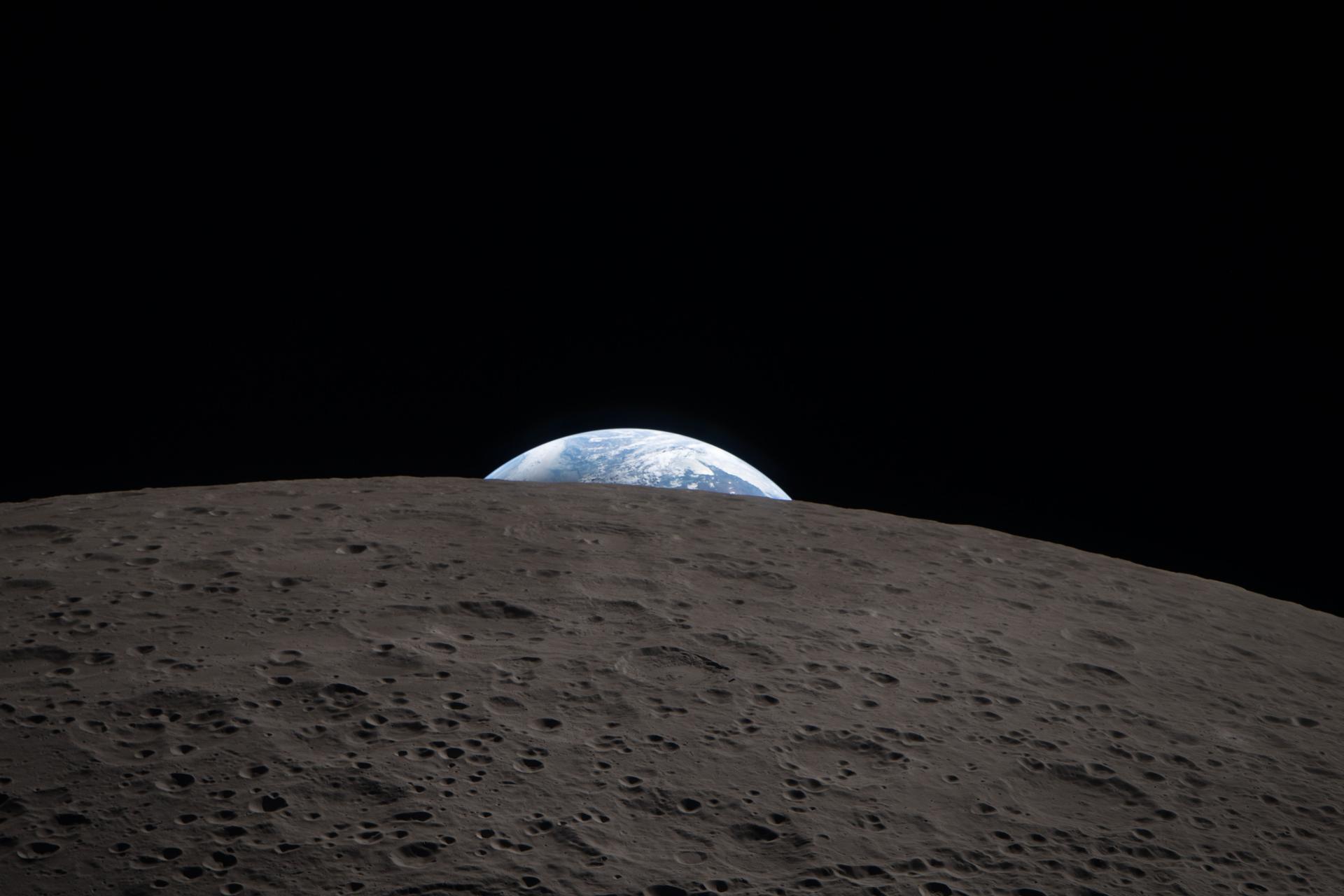
NASA will conduct the Artemis III demonstration mission in 2027 to practice rendezvous and docking operations between the Orion spacecraft and commercial human landing systems before crewed lunar landings in 2028. The mission involves SpaceX and Blue Origin testing versions of their landers, with Blue Origin’s test article launching first to allow for orbital checks before SpaceX’s Starship test article launches for a second docking phase. The mission aims to verify hardware and software interoperability and exercise ground processing capabilities.
The demonstration will involve launching three of the world’s most powerful rockets in quick succession, exercising ground processing capabilities and launch crews across multiple sites. Blue Origin’s test article, based on its Mark 2 crew lander architecture, will launch first and can loiter in space for up to 30 days for checkouts before the launch of NASA’s Space Launch System (SLS) carrying Orion from Kennedy Space Center. SpaceX’s Starship Version 3 test article will launch after the SLS to rendezvous with Orion for a second phase of on-orbit testing.
Orion will act as the chaser spacecraft, docking with the landers which act as targets, a configuration planned for future crew landing missions. When docking with Blue Origin’s Blue Moon, Orion’s software will control the docked spacecraft, while the SpaceX test article will control the docked spacecraft for the second portion of the mission. This approach allows teams to test hardware and software interoperability and dynamics of how the integrated lander-Orion spacecraft moves in space.
Up to two crew members in orange Orion crew survival system suits will enter the Blue Origin test lander during the mission, which will also fly with an instrumented lunar surface spacesuit mass simulator to provide real-time feedback about the environment within the crew cabin. SpaceX’s Starship test article will not have astronauts inside; it will use a Starship Version 3 with an added docking system installed on the nose of the 171-foot spacecraft.
The mission is described as one of the most complex and ambitious NASA has undertaken, involving a “highly choreographed dance” across multiple launch pads. Both companies have already tested their docking capabilities on the ground, with SpaceX qualifying its capability in 2023 and Blue Origin conducting ground testing on its pressurised docking system earlier this year. Data from this mission will support astronaut safety and mission success for the subsequent crewed lunar landings.