NASA to Brief Media on Roman Space Telescope Ahead of August Launch
The Nancy Grace Roman Space Telescope is set to launch from Florida on 30 August, with NASA inviting global media to a live briefing to discuss the observatory’s role in cosmic surveys and exoplanet imaging.
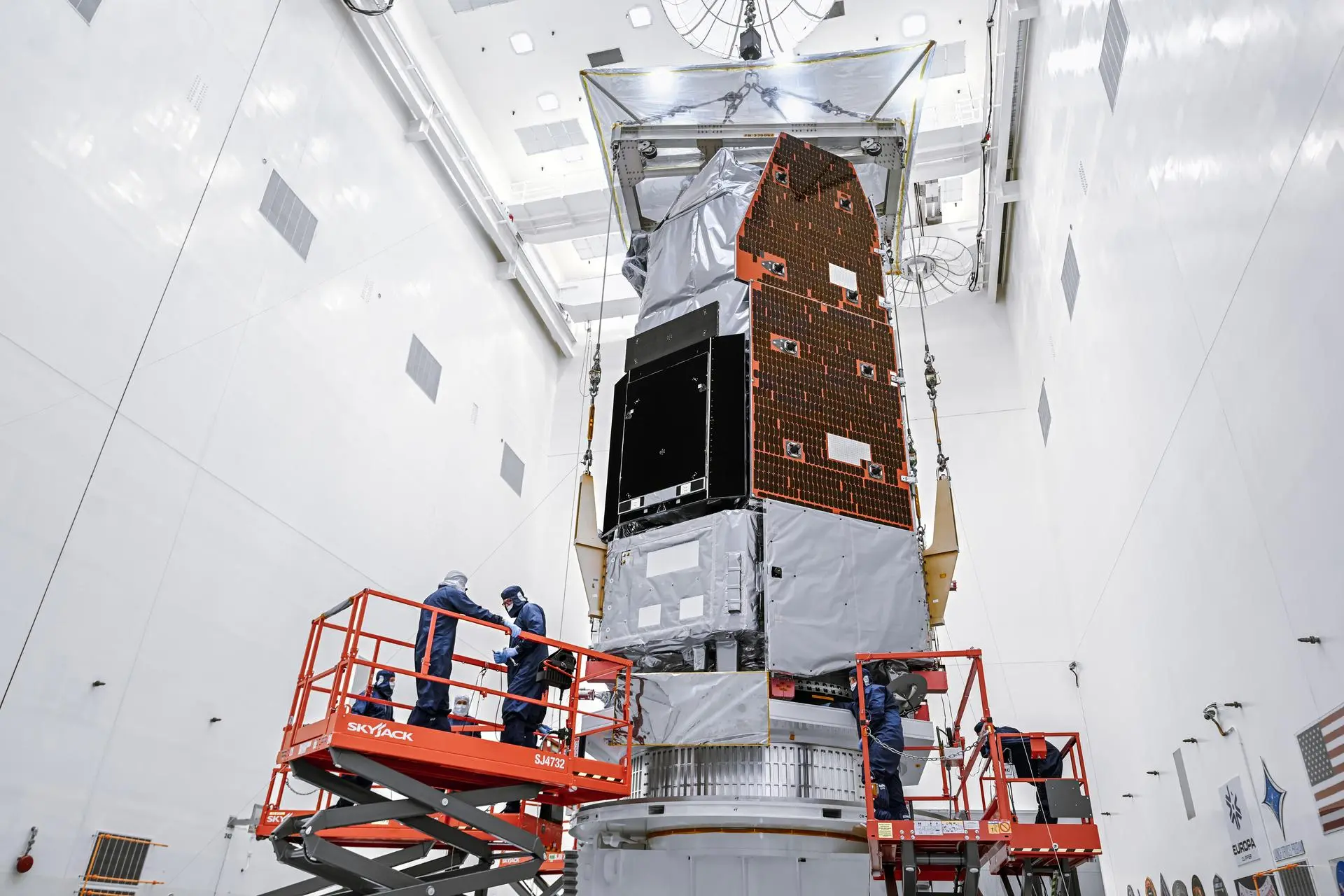
NASA will host a virtual media briefing at 2 p.m. EDT on Wednesday, July 29, to preview the Nancy Grace Roman Space Telescope mission. The event is scheduled ahead of the observatory’s launch from the Kennedy Space Center in Florida on Sunday, 30 August. The briefing will provide an overview of the mission and its current status, with participants including representatives from NASA Goddard, the Jet Propulsion Laboratory, Caltech/IPAC, the Space Telescope Science Institute, and various research institutions.
The event will be streamed live online via a variety of platforms. Media interested in participating by phone must RSVP no later than two hours prior to the start of the briefing to Rob Garner at [email protected]. A copy of NASA’s media accreditation policy is available online for those requiring formal access.
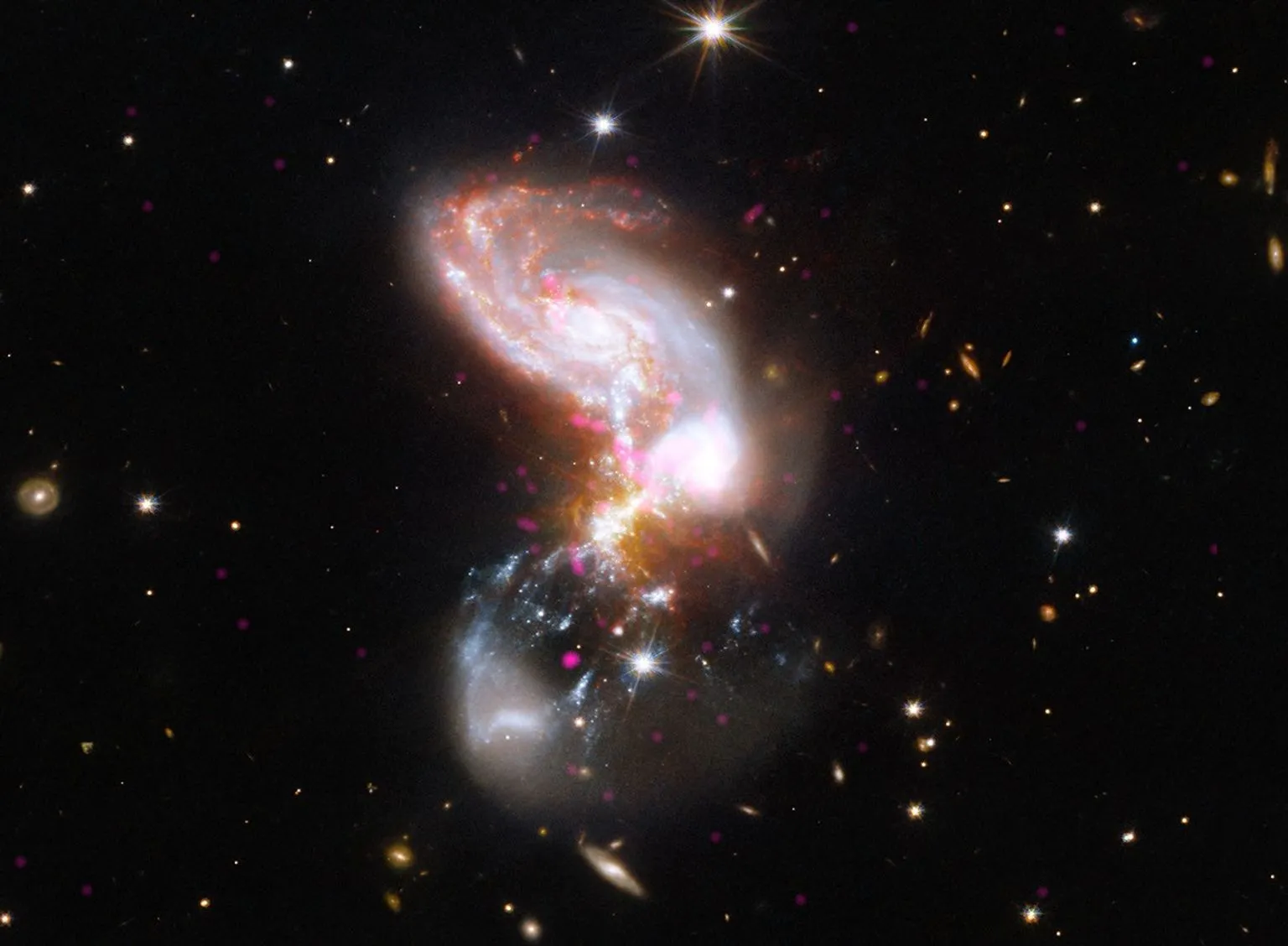
Named after NASA’s first chief astronomer, the Nancy Grace Roman Space Telescope is designed to generate deep, panoramic views of the cosmos. The mission aims to usher in a new era of cosmic surveys, unveiling troves of celestial objects and shedding light on profound mysteries, including phenomena that are not directly visible. The observatory will produce never-before-seen pictures intended to revolutionise understanding of the universe.
Roman also serves as a testbed for advanced technology, including the most sophisticated systems ever flown in space to directly image planets around nearby stars. This capability is a key step in NASA’s search for life on other worlds. The mission’s scientific scope relies on a broad network of partners, with the observatory managed at NASA Goddard.
Participation in the mission extends to the Jet Propulsion Laboratory in Southern California, Caltech/IPAC in Pasadena, the Space Telescope Science Institute in Baltimore, and scientists from various research institutions. Primary industrial partners include BAE Systems Inc., L3Harris Technologies, and Teledyne Scientific & Imaging. International contributions are provided by the European Space Agency, JAXA, the French space agency CNES, and the Max Planck Institute for Astronomy in Germany.
For further information regarding the Roman telescope, NASA directs inquiries to designated press contacts at Headquarters and Goddard Space Flight Center. The live stream and additional mission details can be accessed through NASA’s official online channels.