NASA tests mobile wastewater facility for lunar and Mars missions
The Divergent Deployable Wastewater Treatment Facility is undergoing field tests at the University of North Dakota to support NASA’s Artemis program and reduce reliance on Earth resupply.
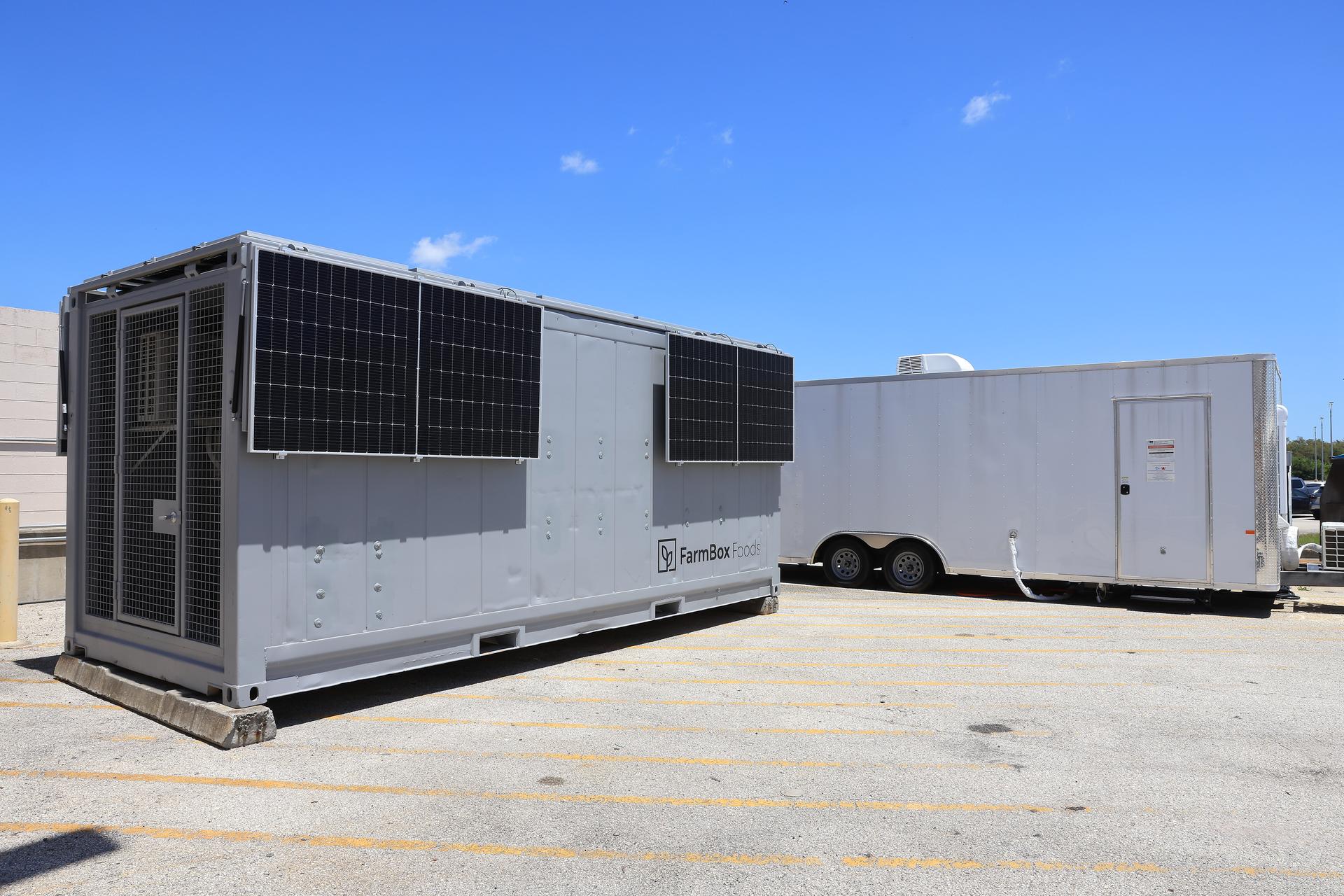
NASA has transported its mobile Divergent Deployable Wastewater Treatment Facility from the Kennedy Space Center in Florida to the University of North Dakota in Grand Forks for field testing. The system is designed to process crew wastewater into reusable water and nutrient feedstocks for agriculture and biomanufacturing, a critical capability for sustaining human presence on the Moon and Mars. Graduate students at the university will operate the facility within an Integrated Lunar/Martian Analog Habitat to simulate the operational constraints of extraterrestrial environments.
Housed within an 8.5-by-24-foot trailer, the facility integrates three biological reactor systems, a vertical garden, water-polishing hardware, and autonomous control software. Unlike terrestrial wastewater systems, the facility employs a divergent approach that keeps waste streams separate to manage the high concentration of waste generated by small crews of four to eight people. This separation allows each type of waste to be processed by the most suitable reactor, improving efficiency and water recovery.
The system utilises three specific bioreactors to treat different waste streams. The Anaerobic Phototrophic Membrane Bioreactor processes fecal and food waste, converting it into nutrient-rich water for plant growth. The Suspended Aerobic Membrane Bioreactor handles urine and flush water, while the Membrane Aerated Biological Reactor treats graywater from hygiene and laundry activities. These processes collectively prepare the water for reuse and feed the facility’s vertical garden, where researchers will compare crop performance against plants grown with standard hydroponic nutrients.
Testing at the University of North Dakota is conducted under a NASA EPSCoR grant and involves connecting the facility to the analog habitat via a bathroom interface featuring a urine-diverting toilet. This setup ensures source separation, allowing waste to be directed to the correct treatment systems. Ali Alshami’s team is developing novel membrane-based separation technologies to further improve water recovery efficiency and system resilience for long-duration missions.
The initiative supports NASA’s broader Bioregenerative Life Support Systems effort, which aims to reduce dependence on Earth-supplied consumables. Trade studies have indicated that bioregenerative systems are more effective for space travel than current technologies. Future applications include using nutrient-rich water to feed microbes that produce lactic acid, potentially for 3D printing with lunar or Martian regolith. Lessons learned from these tests may inform future simulations, including yearlong missions at Johnson Space Center in Houston.