NASA Tests High-Power Lithium Thruster in Push for Mars
The successful firing of a lithium-fed thruster at NASA's Jet Propulsion Laboratory demonstrates significant progress in reducing launch mass for future human exploration.
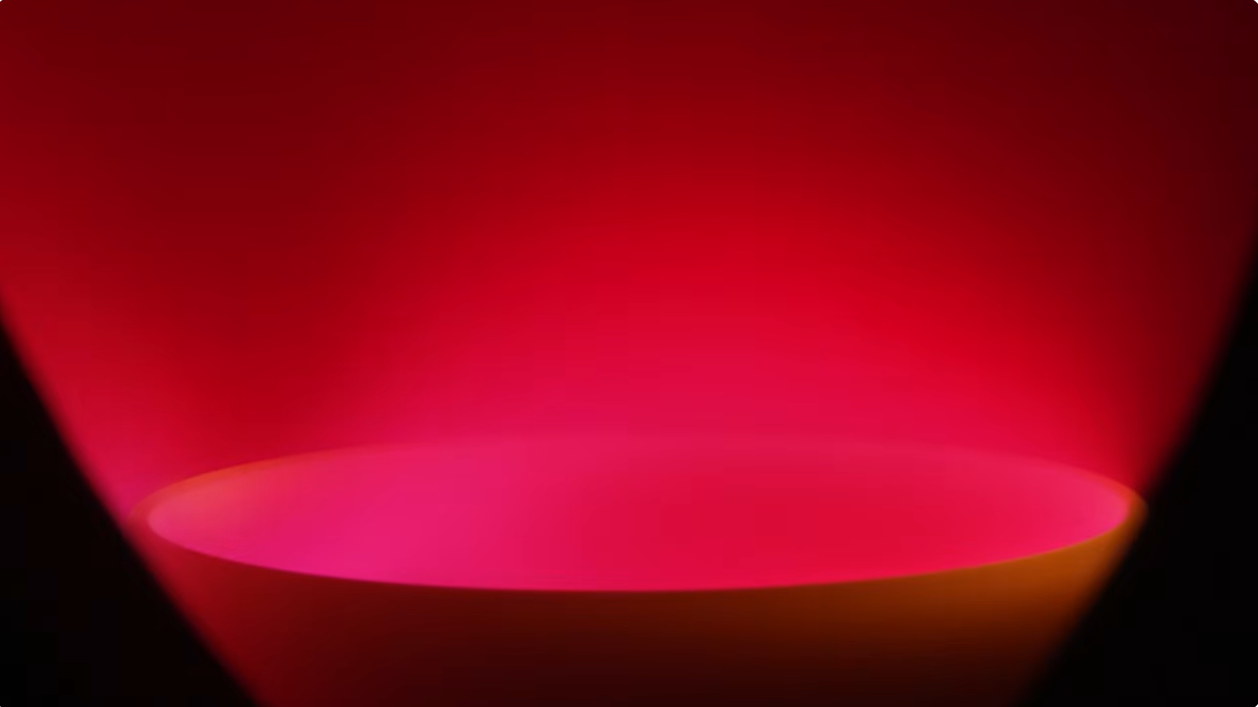
On 24 February, a team at NASA's Jet Propulsion Laboratory successfully fired a prototype electromagnetic thruster powered by lithium metal vapor. The device reached power levels of up to 120 kilowatts, exceeding previous US test records and the output of current spacecraft such as the Psyche mission. This achievement marks the first time an electric propulsion system in the United States has operated at such high power, demonstrating significant progress toward crewed missions to Mars.
Conducted in a vacuum chamber, the test involved five ignitions where the thruster generated a red plume and reached temperatures over 5,000 degrees Fahrenheit. The work was performed in JPL's Electric Propulsion Lab, a unique facility designed to safely test electric thrusters using metal vapor propellants at up to megawatt-class power levels. During the firing, the tungsten electrode at the thruster's center glowed bright white, while the nozzle-shaped outer electrode emitted a vibrant red plume.
The prototype is a lithium-fed magnetoplasmadynamic (MPD) thruster, a technology that has been researched since the 1960s but never flown operationally. Unlike existing thrusters that use solar power to accelerate propellants, this MPD engine uses high currents interacting with a magnetic field to electromagnetically accelerate lithium plasma. This design allows for significantly greater thrust than currently flying electric thrusters while using up to 90 per cent less propellant than traditional chemical rockets.
James Polk, a senior research scientist at JPL who has researched these thrusters for decades, described the event as a huge moment for the team. He noted that the successful performance not only proved the thruster works but also confirmed they hit their targeted power levels. Polk emphasised that the data gathered will inform an upcoming series of tests aimed at addressing the challenges of scaling the technology.
Future tests aim to scale power to between 500 kilowatts and 1 megawatt per thruster. A human mission to Mars is estimated to require 2 to 4 megawatts of power, necessitating multiple thrusters operating for over 23,000 hours. When fully developed and paired with a nuclear power source, these engines could reduce launch mass and support the payloads required for human Mars missions.
The project is led by JPL in collaboration with Princeton University and NASA's Glenn Research Center. It is funded by NASA's Space Nuclear Propulsion project, which began supporting a megawatt-class nuclear electric propulsion program in 2020. NASA Administrator Jared Isaacman stated that this successful performance demonstrates real progress toward sending an American astronaut to set foot on the Red Planet.