NASA space instrument identifies mine waste to target cleanup efforts
Technology analyses unique light signatures from orbit to help prioritise remediation of tens of thousands of hazardous locations threatening local waterways.
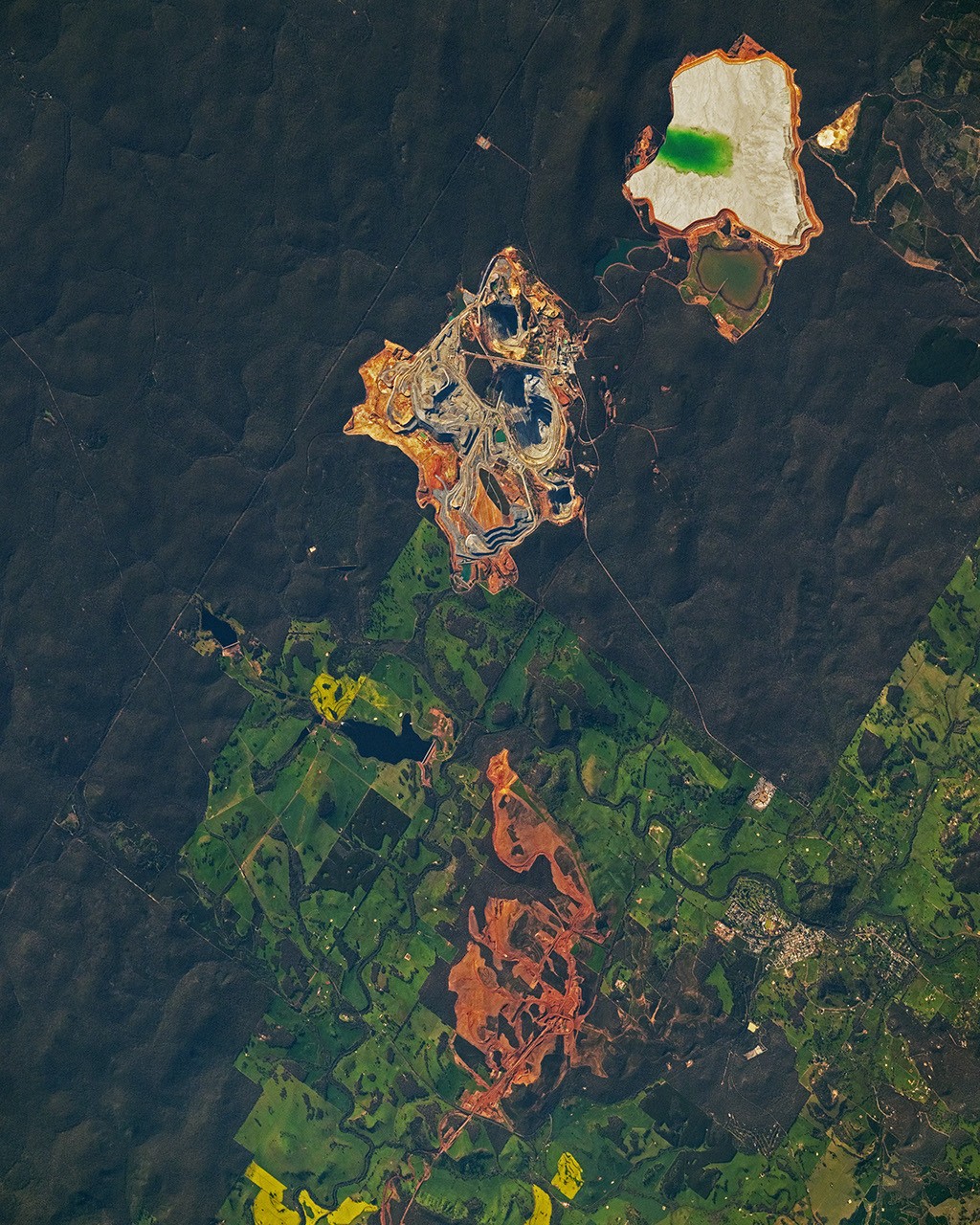
Tens of thousands of abandoned mines across the American West pose a significant threat to local waterways, yet identifying which sites require urgent remediation has traditionally been a slow and expensive process. NASA’s Earth Surface Mineral Dust Source Investigation, known as EMIT, is now utilising spectral imaging from space to address this challenge. The instrument can analyse the unique light signatures of mine waste, enabling authorities to focus cleanup efforts where they are needed most.
The core capability of EMIT lies in its ability to detect specific mineral compositions from orbit. By analysing how light interacts with the Earth's surface, the instrument identifies the distinct spectral fingerprints of materials associated with abandoned mining operations. This data allows for a more efficient allocation of resources, moving away from broad, costly surveys towards targeted interventions at sites that pose the greatest risk to environmental and public health.
According to NASA, the volume of abandoned mine waste in the region is substantial, creating a logistical hurdle for environmental agencies. The new application of EMIT’s technology offers a pathway to streamline the identification of these hazardous locations. By providing precise data on the presence of mine waste, the instrument aids in prioritising remediation efforts, ensuring that limited funding and personnel are directed toward the most critical sites.
This development aligns with the broader goals of NASA’s Earth Science division, which supports efforts to respond to environmental challenges including water supply issues. The agency notes that understanding Earth systems is crucial for addressing societal needs, and the ability to monitor land disturbances from space provides valuable insights for land management and environmental protection.
While the specific number of sites currently being monitored or the exact volume of waste detected by EMIT is not detailed in available reports, the instrument represents a significant technological advancement in environmental monitoring. The capability to analyse light signatures from space offers a scalable solution to a problem that has long hindered effective cleanup operations in the American West.