NASA seeks student concepts for lunar South Pole operations in 2027 RASC-AL competition
The annual RASC-AL challenge focuses on prospecting in permanently shadowed craters and developing expandable infrastructure, with finalists presenting in Florida next June.
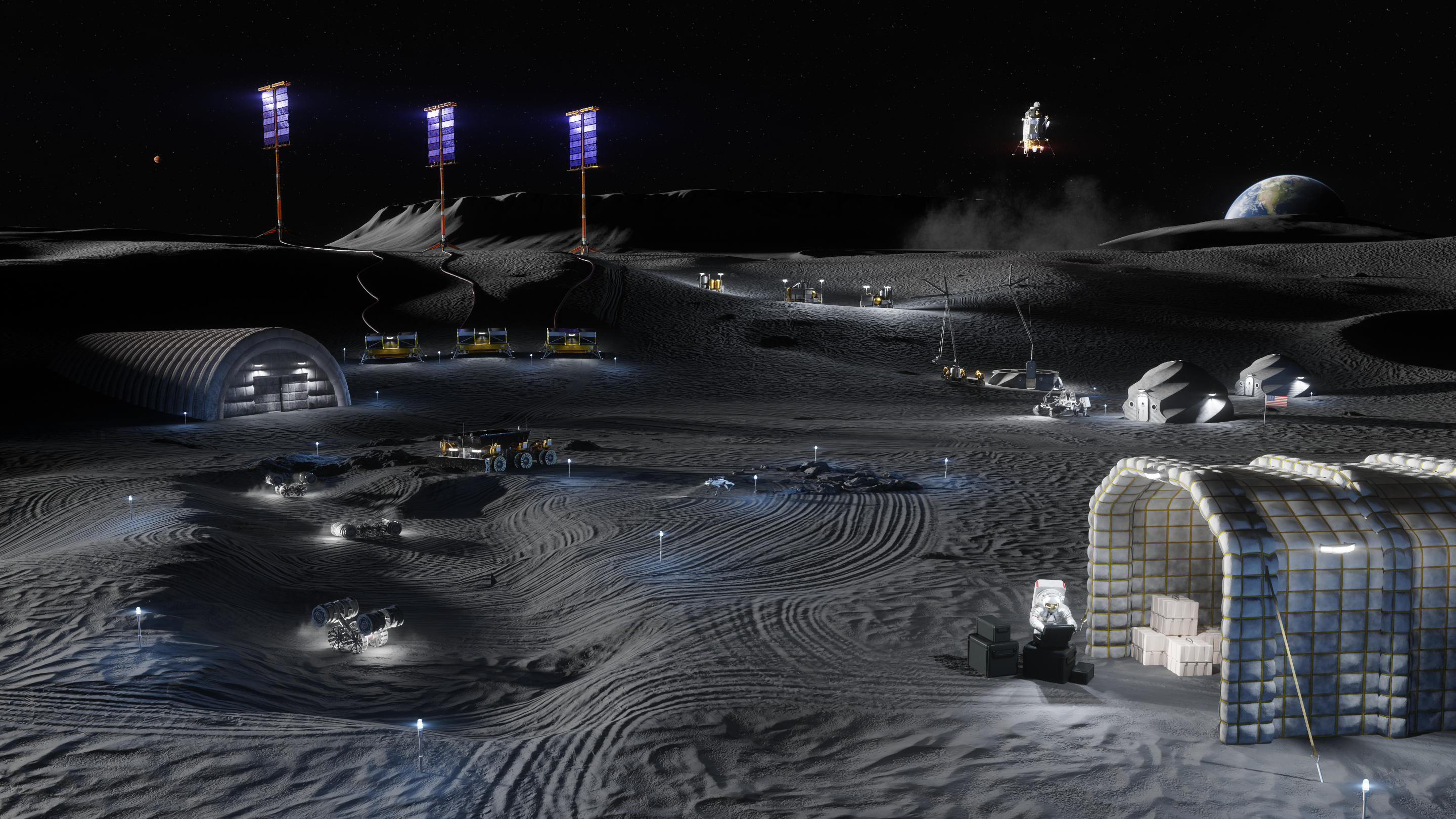
NASA has issued a call for U.S.-based collegiate teams to submit original concepts for the 2027 Revolutionary Aerospace Systems Concepts – Academic Linkage (RASC-AL) competition. The challenge seeks to identify aerospace innovations that could support sustained operations in the lunar South Pole region, with a specific focus on prospecting within permanently shadowed craters and the development of expandable infrastructure.
The competition aims to connect university researchers with the agency’s technology and engineering challenges. Chris Jones, chief technologist at NASA’s Langley Research Center, described the initiative as a showcase for the technical excellence and creativity of the next generation of explorers. He noted that the concepts developed through RASC-AL contribute directly to the body of work that advances NASA’s missions.
Since its inception in 2002, the annual RASC-AL competition has fostered aerospace concepts, technology, and prototyping by linking universities, NASA, and industry. Gabe Merrill, acting cross-program integration lead for the Advanced Research and Technology Division, stated that the competition accelerates necessary technology development while providing a pathway for future aerospace innovators and leaders.
Teams interested in participating must submit a non-binding notice of intent by 13 October. Following this submission, interested groups will be invited to a question and answer session with NASA experts on 27 October. Full challenge proposals, accompanied by video submissions, are due on 24 February 2027.
Proposals must demonstrate innovative solutions supported by original engineering and analysis in response to one of the four 2027 RASC-AL themes. Up to 14 teams will advance to the final phase, where they will further develop their concepts, write technical papers, and create posters. Each finalist team will receive a $7,500 award to facilitate their participation.
The 14 finalist teams will present their concepts to a panel of NASA and industry experts at the 2027 RASC-AL Forum in Cocoa Beach, Florida, from 7 to 10 June 2027. The top two overall teams will receive an additional monetary award and an invitation to present their work at an aerospace conference later in the year.
The 2027 NASA RASC-AL Competition is administered by the National Institute of Aerospace on behalf of NASA’s Advanced Research and Technology Division. The challenge contract is managed by NASA’s Center of Excellence for Collaborative Innovation, which is part of the Prizes, Challenges, and Crowdsourcing Program within the Research and Technology Mission Directorate.