NASA releases career guide for teenagers interested in aerospace mechanics
A new educational resource outlines the diverse roles of mechanics at key NASA facilities and the training pathways available for aspiring technicians.
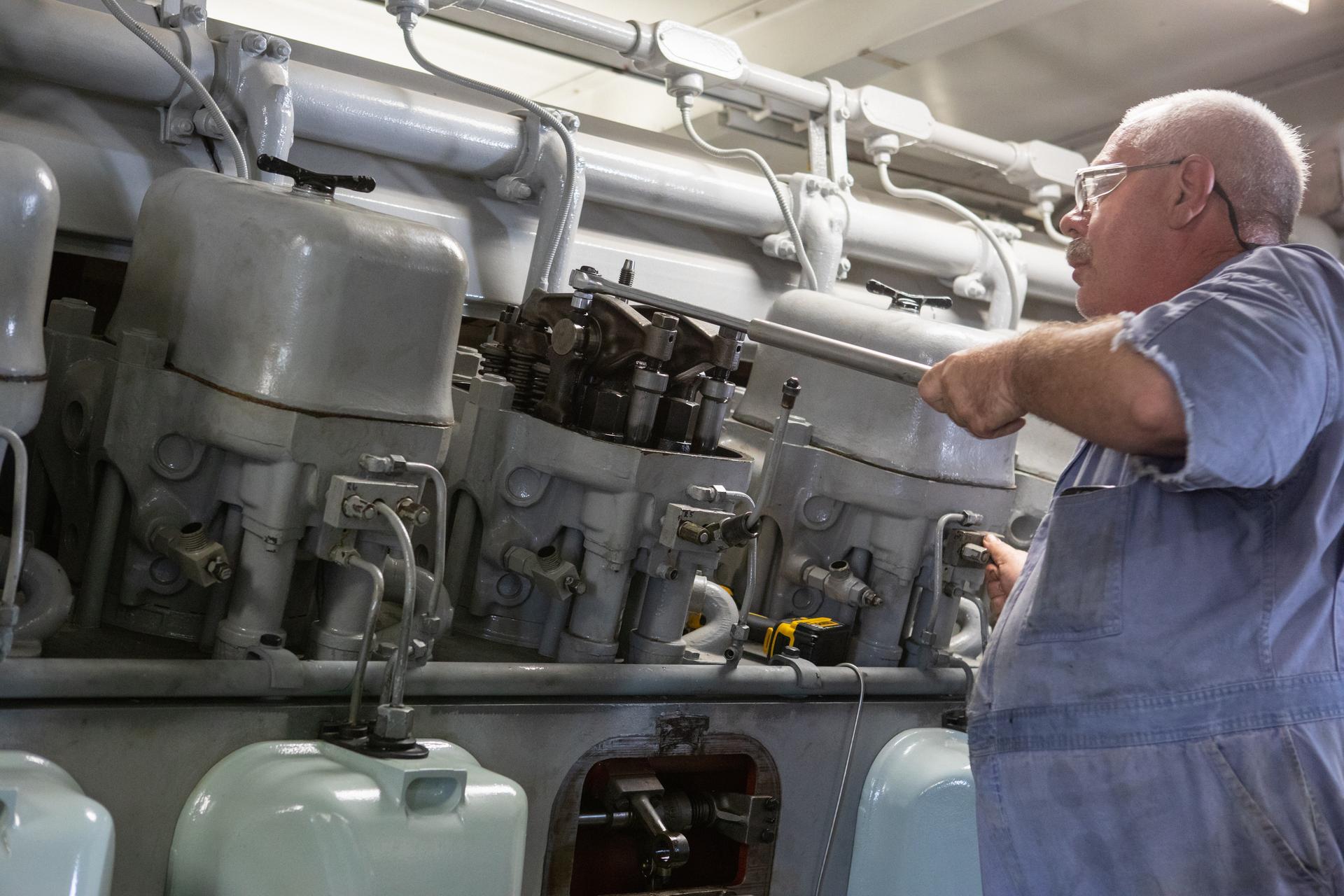
NASA has published a new educational resource aimed at teenagers aged 14 to 18, highlighting the critical role of mechanics in aerospace operations. The career spotlight, released on 19 August 2026, serves as a guide for young people interested in the technical aspects of space exploration and aviation. It details how mechanics are essential experts who understand how machinery, particularly engines, functions and how to repair it.
The publication outlines the specific responsibilities of mechanics at three major NASA facilities. At the Armstrong Flight Research Center in Edwards, California, aerospace mechanics maintain research and experimental aircraft, including planes used to study the environment and those testing new wing designs. At the Kennedy Space Center in Florida, mechanics ensure that massive crawler-transporters are in top working condition; these machines are responsible for moving rockets from assembly buildings to launch pads.
Additionally, the resource highlights the work done at the Michoud Assembly Facility in New Orleans. Mechanics there maintain a fleet of barges that have been used for decades to transport powerful rocket sections to various NASA centers for testing and launches. The guide emphasises that while the public often associates mechanics with cars, the profession encompasses a wide range of machinery essential to space missions.
For those considering a career in this field, the article identifies distinct training pathways for different specialisations. Automotive mechanics typically begin with a high school diploma or GED before attending trade or technical schools for hands-on experience. Heavy equipment mechanics often start with a two-year degree at a community college or technical school, followed by three to four years of on-the-job training before taking certification and licensing tests.
Aircraft mechanics require a specific skill set and often attend community colleges or technical schools that offer programmes approved by the Federal Aviation Administration. These programmes are designed to fast-track students towards the certifications needed for the profession. The resource also notes that military service is a viable pathway for obtaining the necessary training and certifications for many mechanic roles.
The guide advises high school students to pursue coursework in mathematics, science, and industrial technology to build a strong foundation. It suggests gaining practical experience through part-time work or shadowing opportunities at local repair shops. Modern mechanics are also required to be proficient with computer equipment and electronic sensors for diagnostics, and must stay current with evolving technologies such as electric vehicles and drones.