NASA pivots to lunar surface operations with $100m contracts for Blue Origin and Firefly Aerospace
The US space agency has outlined its first phase of lunar base plans, awarding hundreds of millions of dollars in contracts to four American companies to establish infrastructure near the moon’s south pole.
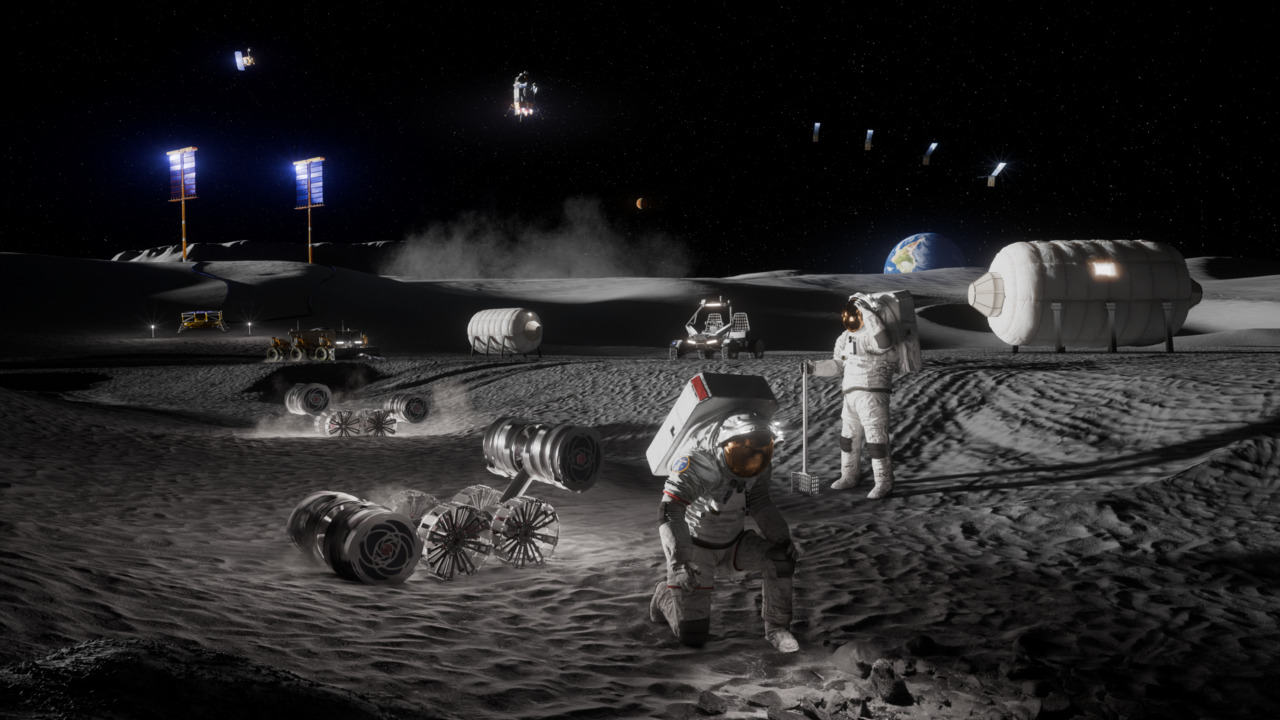
NASA has outlined the first phase of its lunar base plans, awarding hundreds of millions of dollars in contracts to four US companies. The strategy marks a decisive pivot from the previously prioritised Gateway orbital station programme, focusing instead on direct surface operations to reduce costs and accelerate timelines. The agency finalised this comprehensive approach in early 2026, less than two months after the Artemis II mission completed its record-breaking lunar flyaround.
Blue Origin will provide landers to deliver lunar terrain vehicles built by Astrolab and Lunar Outpost near the moon’s south pole. Firefly Aerospace, which landed successfully on the moon last year, will deliver the first drones to the lunar surface. This hardware is intended to arrive before the first Artemis astronauts land on the moon, with plans for a crewed landing as early as 2028.
NASA Administrator Jared Isaacman and program executive Carlos Garcia-Galan outlined the strategy, which includes a perimeter of drones dubbed 'MoonFall' to mark territory respectfully. Garcia-Galan envisions a moon base sprawling over hundreds of square miles, with these drones stationed at the corners. Isaacman stated that the markers are designed to be respectful of other nations' spacecraft and equipment, expecting reciprocity in the matter.
The base aims to support scientific research, encourage a lunar economy, and lay the foundation for a future Mars expedition. Isaacman emphasised that the goal is to establish a permanent presence, stating, "Then we'll be able to say, 'Hey, we're permanently here and we're not giving it up.'" He added that the agency is "really just getting started" in its efforts to return to the moon.
Phase two of the base plan, scheduled from 2029 into the early 2030s, will focus on permanent infrastructure, including a power grid. Phase three, occurring in the 2030s, will see the base ready to support astronauts in permanent habitats for extended periods. This timeline follows the Artemis III mission, targeted for mid-2027, where astronauts will practice docking the Orion capsule with lunar landers in Earth orbit.