NASA outlines key celestial events for May 2026 skywatching
NASA highlights three primary events for May 2026, including a meteor shower linked to Halley's Comet, a Moon-Venus conjunction, and a second full moon
NASA has released skywatching guidance for May 2026, highlighting three primary celestial events that will dominate the night sky. The agency points to the Eta Aquarid meteor shower, a conjunction of the crescent Moon and Venus, and a rare Blue Moon as the month's main attractions for observers.
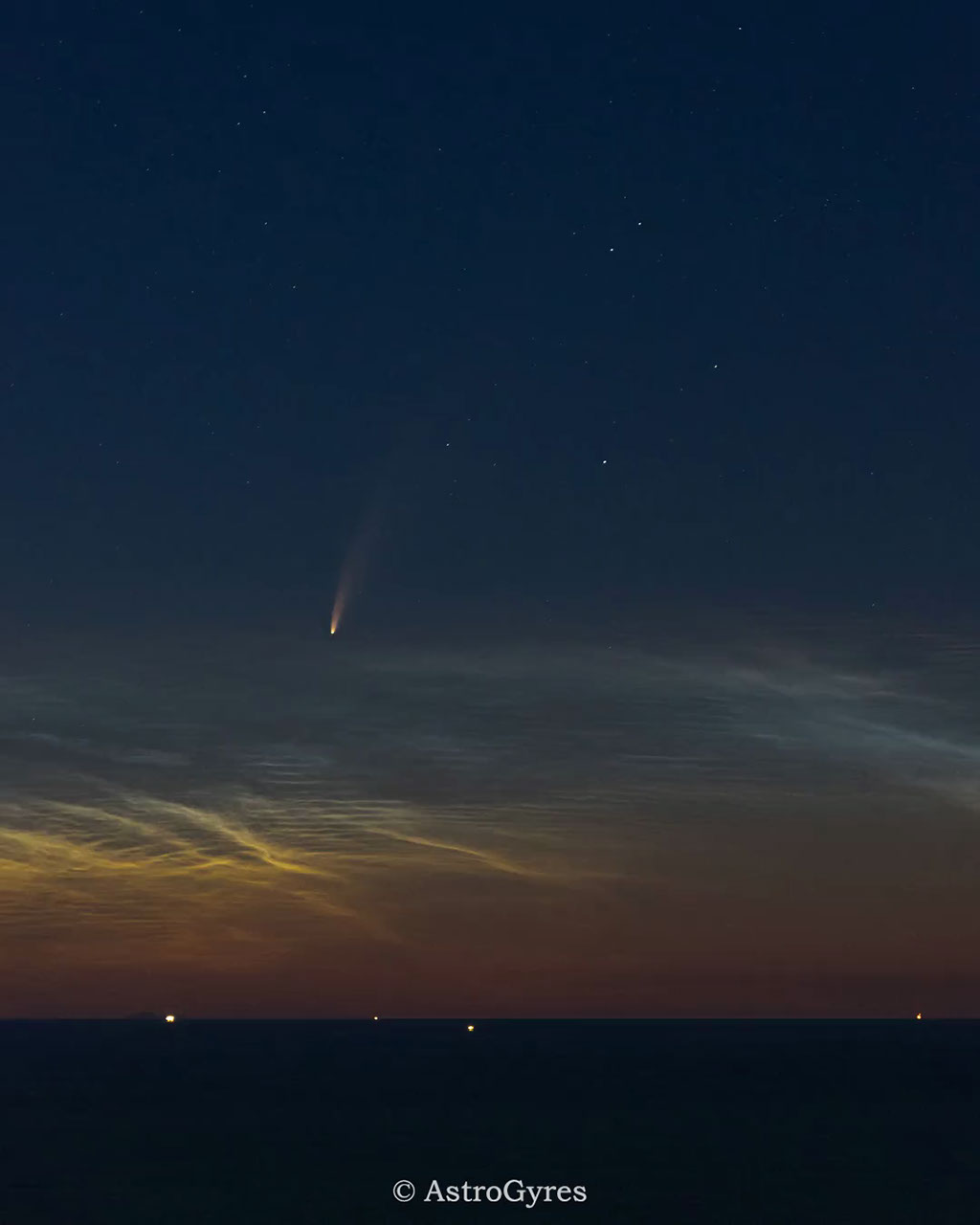
The Eta Aquarid meteor shower is expected to peak between May 5th and 6th, originating from debris left by Halley's Comet. This famous comet last passed through the inner solar system in 1986 and is not anticipated to return until 2061. Under ideal conditions, the shower can produce up to 50 meteors per hour, with particles racing into Earth's atmosphere at approximately 40 miles per second.
Observers are advised to look toward the eastern sky in the hours before dawn to catch these bright streaks. However, NASA notes that bright moonlight during the peak of the shower may wash out fainter meteors, potentially reducing visibility compared to darker skies. For the best viewing experience, experts recommend finding dark locations away from artificial light sources and allowing eyes to adjust for 20 to 30 minutes.
On May 18th, skywatchers can view a conjunction of the crescent Moon and Venus just after sunset in the western sky. The crescent Moon will act as a visual guide to locate Venus, making the event relatively easy to spot. While the two objects appear close together from Earth, they are actually separated by millions of miles in space.
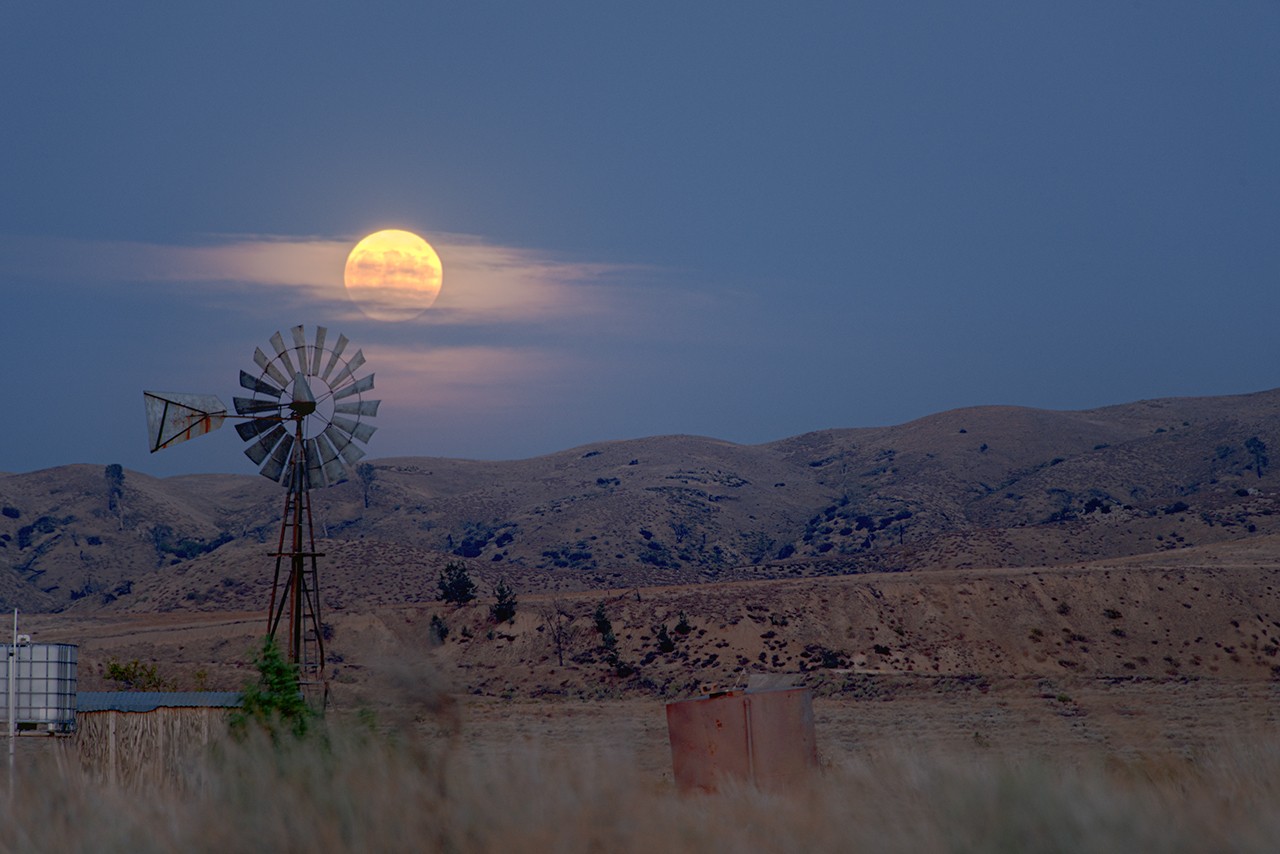
The month concludes with another lunar moment on May 31st, when a Full Moon occurs. This event is designated a Blue Moon because it is the second full moon within the single calendar month of May. Such an occurrence is relatively infrequent, fitting the common phrase "once in a blue moon."
These astronomical events follow the recent launch of the Artemis II mission around April 1st, which sent astronauts around the Moon for the first time in over 50 years. Whether viewing the shooting stars before sunrise or the planets after sunset, May offers a diverse range of opportunities to observe the solar system.