NASA outlines June 2026 skywatching guide featuring planetary conjunctions and lunar occultation
The US space agency’s latest skywatching tips highlight key celestial occurrences for June 2026, from planetary gatherings to deep-sky observation targets.
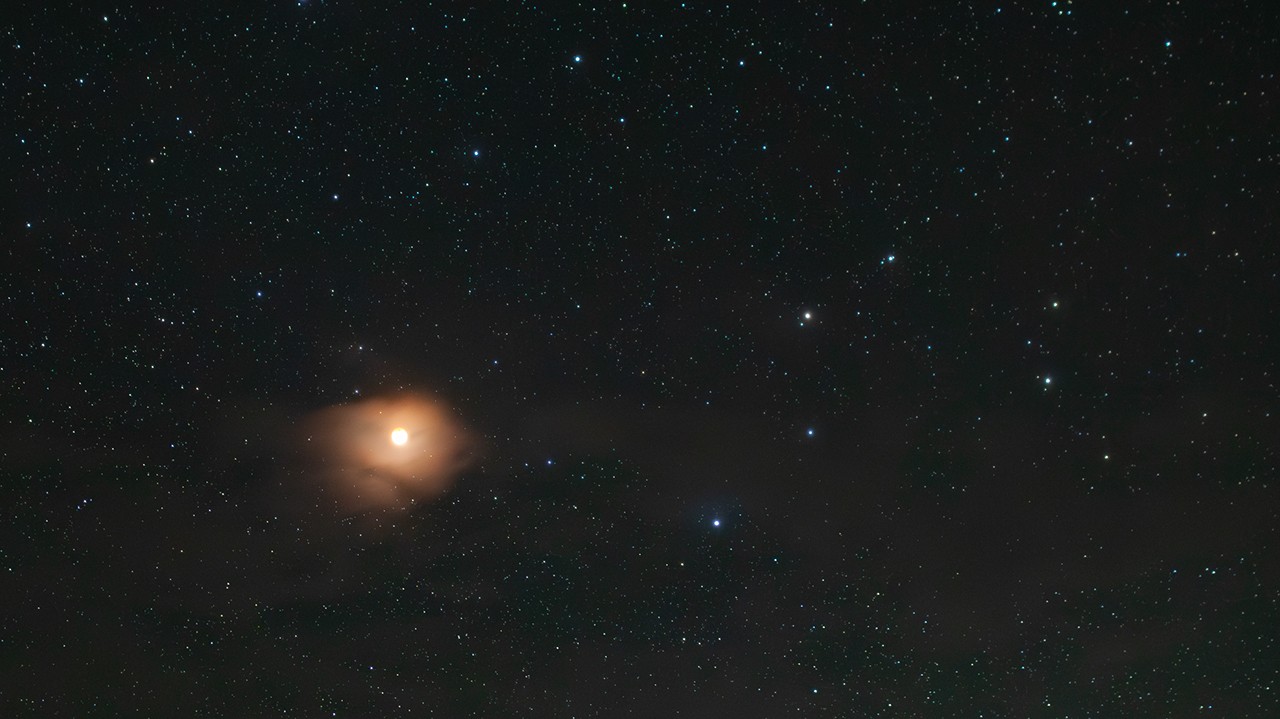
NASA has released skywatching guidance for June 2026, detailing a series of planetary alignments and celestial events visible from Earth. The report, credited to Raquel Villanueva from NASA’s Jet Propulsion Laboratory, outlines opportunities for amateur astronomers to observe planetary conjunctions, a lunar occultation, and the astronomical start of summer.
Early in the month, skywatchers are advised to look west shortly after sunset to spot Venus and Jupiter. Around June 9, the two planets will appear in close proximity, an event known as a planetary conjunction. This alignment occurs because the planets orbit the Sun along nearly the same path, known as the ecliptic, causing them to appear near each other from Earth’s perspective despite being millions of miles apart in space.
From June 11 to June 15, Mercury will join the view in the western sky. The planet will sit lower toward the horizon, requiring a clear view to the west to catch it in the twilight glow. Venus will remain the brightest and easiest to spot, with Jupiter nearby.
On June 17, a lunar occultation of Venus will occur, visible from parts of the United States, Canada, Brazil, and Venezuela. During this event, the Moon will pass in front of Venus, making the planet appear to disappear behind the lunar disk before reappearing later. For viewers outside the exact path, the Moon and Venus will still appear as a close pairing.
The agency notes that the June solstice marks the start of astronomical summer in the Northern Hemisphere, occurring on June 21 at 1:24 a.m. Pacific Time. While this date brings the longest days and shortest nights of the year, the earliest sunrise and latest sunset do not necessarily coincide with the solstice; for example, in Los Angeles, the earliest sunrise occurs before the solstice and the latest sunset occurs after it.
Once the sky darkens, the report recommends observing the Summer Triangle, formed by the bright stars Vega, Altair, and Deneb. This region contains deep-sky objects such as the Dumbbell Nebula (Messier 27), the Ring Nebula, the North America Nebula, and the Veil Nebula. The Dumbbell Nebula is noted as the first planetary nebula ever discovered.
Observers are reminded to exercise caution when viewing daytime events. The agency warns against pointing binoculars, telescopes, or cameras near the sun unless using proper solar safety equipment, as looking at or near the sun through optics can cause serious eye injury.