NASA Modernises Edwards Test Range to Accelerate Flight Data Processing
New antennas and software enhancements at the Armstrong Flight Research Center support critical research into quiet supersonic flight and International Space Station operations.
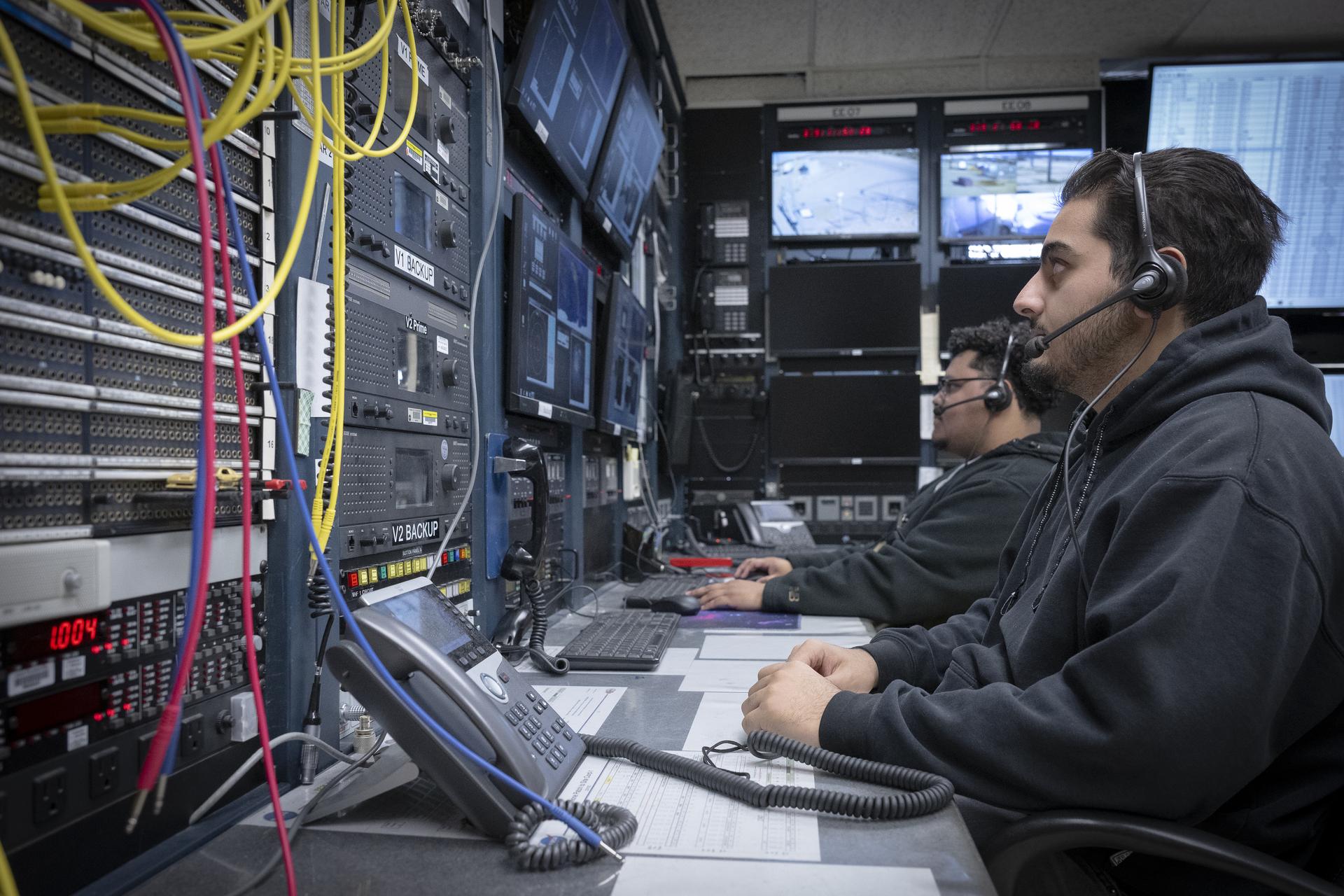
The Dryden Aeronautical Test Range at the Armstrong Flight Research Center in Edwards, California, has completed a significant modernisation to enhance its communications, tracking, and data services. Initiated in the early 2020s, the upgrade programme involves the installation of new very high frequency ground antennas, updated electronic components, and refined software designed to monitor the International Space Station and visiting spacecraft more effectively.
These technical improvements are currently supporting critical research initiatives, including test flights of the X-59 quiet supersonic aircraft. The range also facilitates the Crossflow Attenuated Natural Laminar Flow project, which utilises a scale-model wing attached to an F-15B research jet to study air flow and reduce drag for future commercial aviation.
Beyond aeronautics, the DATR serves as a vital backup communications and telemetry hub for International Space Station operations, launches, dockings, and reentries. Operating alongside the Wallops Flight Facility in Virginia, it stands as one of only two ground stations in the United States capable of handling all space station frequencies, a role it has fulfilled since 1998.
To further improve operational efficiency, NASA is implementing multiple approaches to streamline data processing. By automating five separate processing steps into a single consolidated process and leveraging a partnership with the US Air Force to run multiple computers simultaneously, the agency aims to drastically reduce post-flight analysis times.
This collaboration targets a reduction in data processing duration from two hours to less than 30 minutes. Faster delivery of validated data allows engineers to review results more quickly, enabling them to determine if specific test points require repetition or if future test points can be skipped, thereby saving valuable resources.
The range continues to support various science missions using platforms such as the ER-2 high-altitude aircraft and the C-20A. As part of NASA's Flight Demonstrations and Capabilities project, the DATR remains positioned to deliver essential communications, tracking, and data services for future aeronautics, science, and space missions.