NASA marks 65th anniversary of Alan Shepard's historic spaceflight
On May 5, 2026, the agency commemorated the moment astronaut Alan B. Shepard Jr. became the first American in space, linking the pioneering spirit of Project Mercury to modern lunar ambitions.
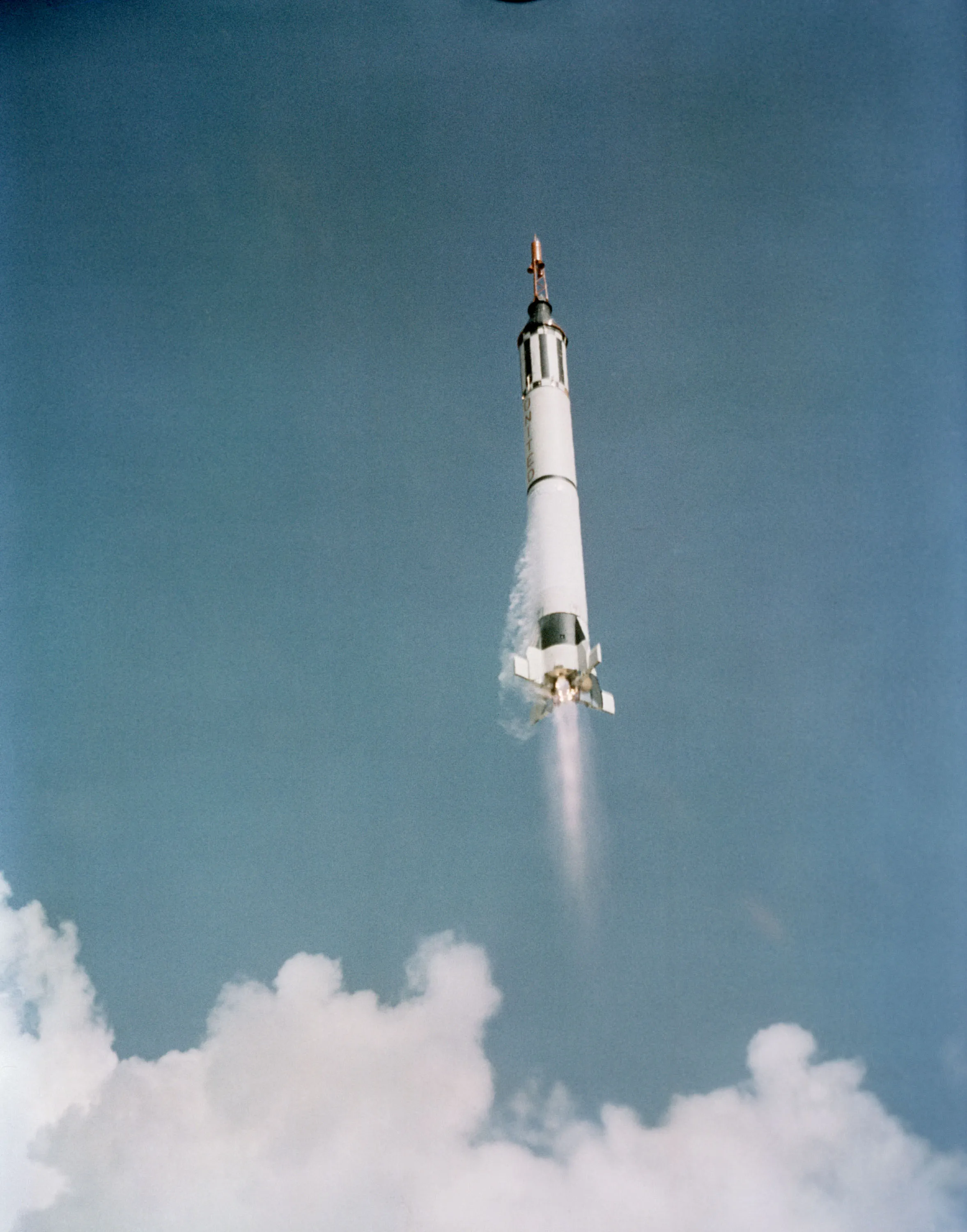
On the morning of May 5, 2026, NASA marked the 65th anniversary of the Mercury-Redstone 3 launch, an event that occurred on the same date in 1961. The commemoration focused on the historic moment when astronaut Alan B. Shepard Jr. became the first American to fly into space aboard the Freedom 7 spacecraft.
The original mission lifted off from Cape Canaveral, Florida, and lasted approximately 15 minutes. During this brief flight, Shepard ascended to an altitude of 116 miles before splashing down in the Atlantic Ocean. This achievement is widely recognised as the United States' entry into human spaceflight and served as a defining step that propelled the nation toward landing on the Moon just eight years later.
The 1961 launch demonstrated that the US could safely send a human into space and return, a feat that helped restore national confidence following early successes by the Soviet Union. This pioneering spirit laid the groundwork for subsequent programmes, including Project Gemini, which further built upon the foundation established by Shepard's flight.
Sixty-five years later, the anniversary serves as a focal point for reflecting on this legacy within the context of modern lunar ambitions. As NASA accelerates preparations for the Artemis missions, the agency highlights the connection between the early achievements of Project Mercury and the current goal of returning astronauts to the lunar surface.
The Artemis programme aims to return humans to the Moon and establish a sustainable Moon base. By looking back at the Mercury-Redstone 3 mission, NASA underscores the continuity of its efforts to expand humanity's presence beyond Earth. The anniversary offers an opportunity to consider how the pioneering work of the past informs the strategic direction of future exploration.
The event on May 5, 2026, reinforced the narrative that the path to the Moon was built on the courage and precision of early spaceflight. As the agency moves forward with the Artemis timeline, the memory of Shepard's flight remains a central element of the story of American space exploration.