NASA joins Genesis Mission to accelerate AI-driven discovery
The space agency is integrating its vast archives into a whole-of-government initiative aimed at leveraging artificial intelligence for scientific and engineering breakthroughs.
NASA has formally joined the Genesis Mission, a whole-of-government initiative led by the White House Office of Science and Technology Policy. The mission was established via Executive Order issued by President Donald J. Trump on 24 November 2025, with the primary objective of leveraging artificial intelligence to accelerate scientific and engineering discovery. The initiative now involves more than 15 federal agencies working in concert to tackle complex challenges.
NASA Administrator Jared Isaacman stated that the agency is exploring how its data, missions, and technical expertise can support national science and technology challenges. He described the agency’s generational investment in data and engineering as a foundation for faster science and stronger mission outcomes. Isaacman noted that NASA is committed to applying its research and development to other government initiatives for the benefit of American taxpayers.
The agency has introduced new Genesis Mission National Science and Technology Challenges focused on two priorities: strengthening America’s superiority in space and igniting innovation driven by the agency’s 70-year history. To operate safely in a space environment that is growing more crowded and dynamic, NASA must develop advanced systems faster than traditional engineering methods allow. These systems need to work reliably across spacecraft, communications, logistics, and surface operations.
A key component of the collaboration involves partnering with the Department of Energy to combine NASA’s mission expertise with advanced computing capabilities. This partnership aims to shorten the path from concept to operational readiness. The goal is to develop powerful AI tools that can accelerate exploration and strengthen American leadership in space, although the release does not provide technical specifications for these tools.
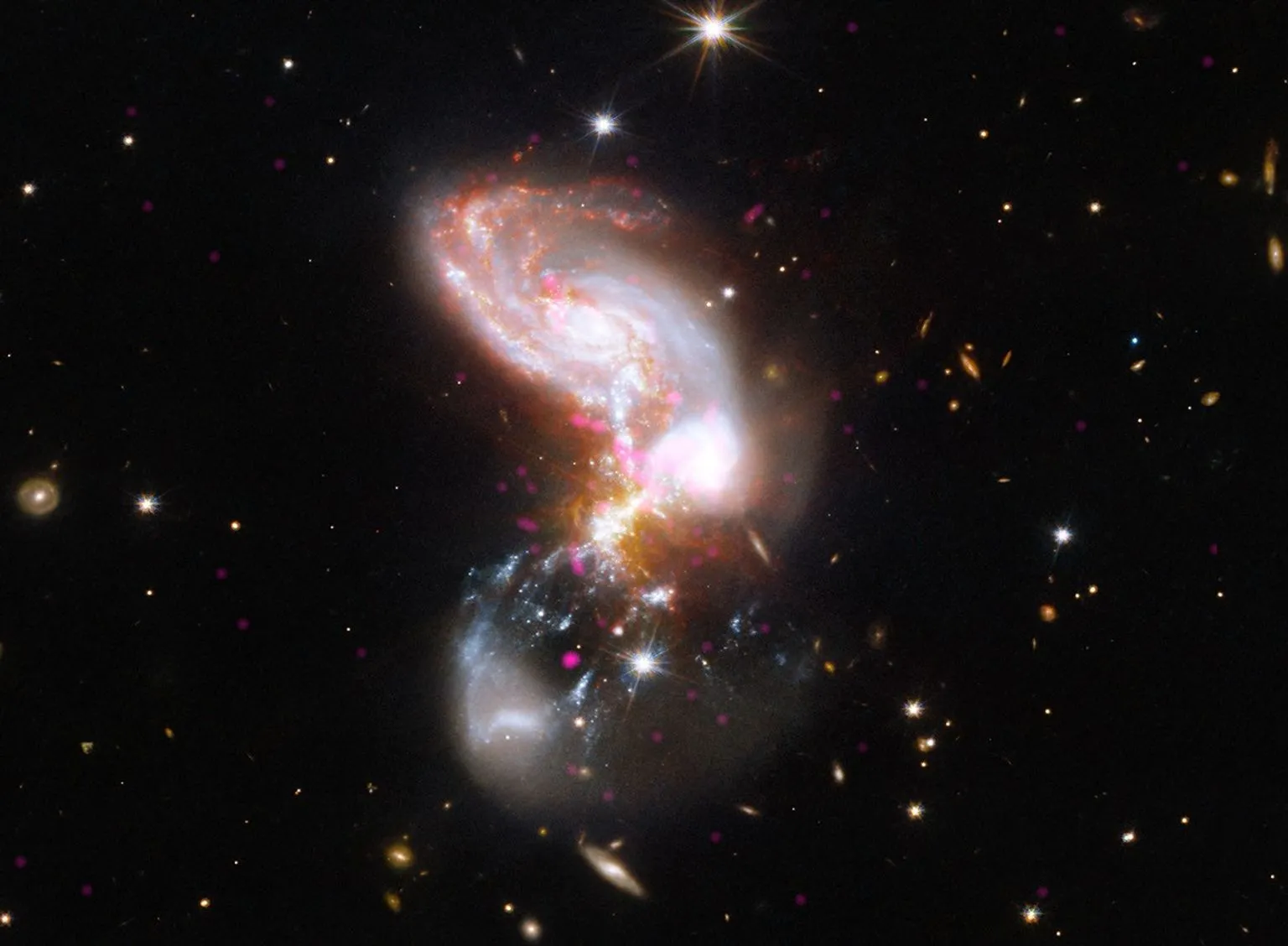
NASA also plans to utilise AI to analyse over 150 petabytes of historical data from telescopes, satellites, orbiters, landers, and aeronautics programs. The scale and complexity of these archives make it difficult to examine every observation using traditional methods. Advanced AI tools could help scientists connect data from different missions, identify hidden patterns, improve predictions, and reveal new discoveries in data that may have already been studied.
The specific timeline for when these AI tools will become operational or deliver measurable breakthroughs is not detailed in the release. However, the initiative represents a significant effort to turn NASA’s mission archives into engines of discovery, expanding the return on generations of American investment in space and strengthening research across a wide range of scientific fields.