NASA invites US researchers to propose experiments for orbital robotic mission
The Fly Foundational Robots mission seeks compelling experiments from principal investigators, professors, and graduate students, with a submission deadline of 23 September 2026.
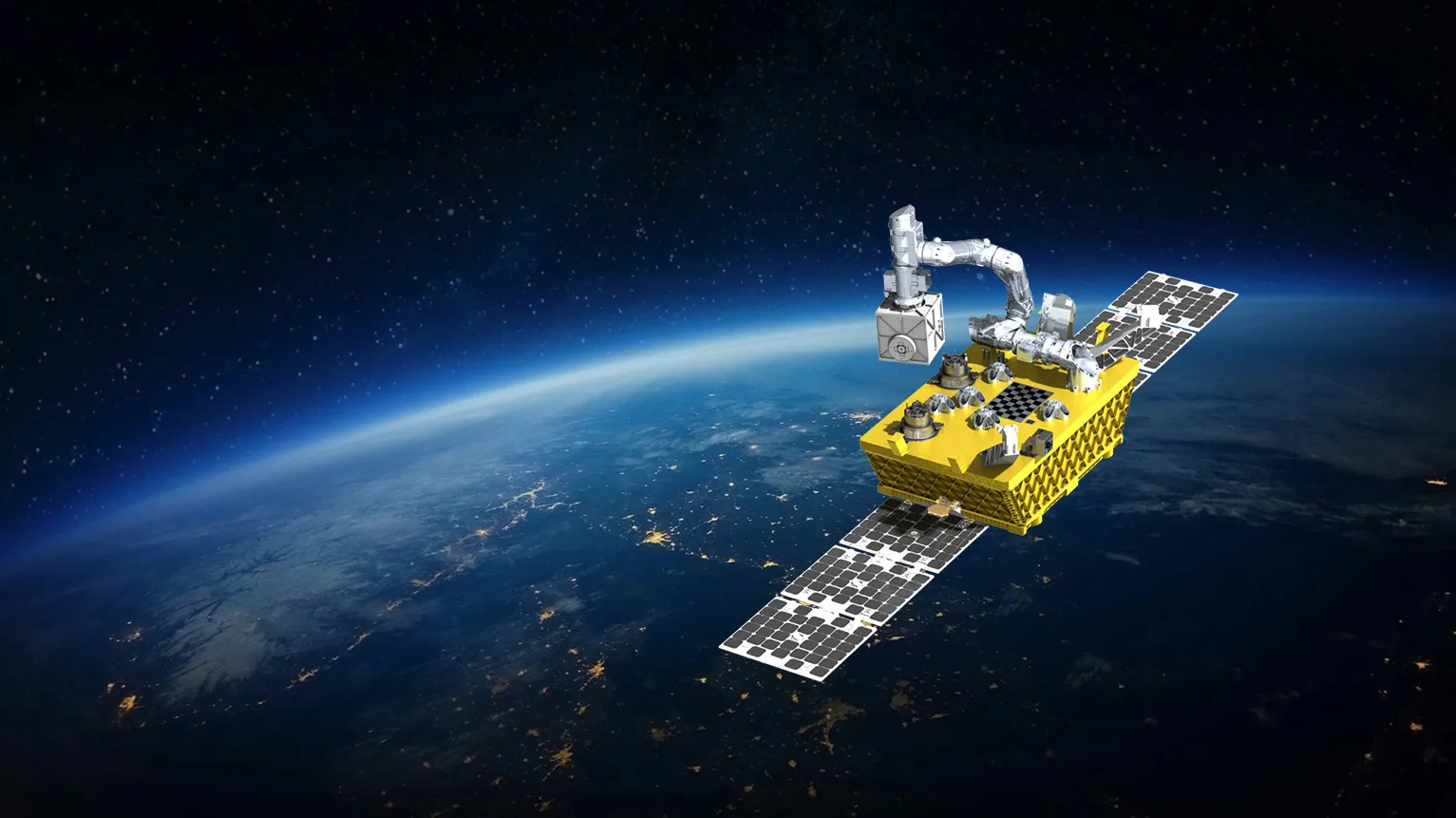
NASA has opened registration for the Space Roboticist Challenge, a competitive initiative under its Center of Excellence for Collaborative Innovation (CoECI). The programme invites United States-based researchers to propose experiments for the upcoming Fly Foundational Robots (FFR) mission, which will deploy a robotic arm to low Earth orbit.
The FFR mission is designed to launch a robotic arm featuring seven degrees of freedom. NASA intends to make this hardware available to a select group of researchers who can demonstrate both a compelling experimental concept and the technical capability to execute it. The initiative aims to crowdsource research proposals that can be conducted using the on-orbit hardware.
Eligibility for the challenge is restricted to principal investigators, post-doctoral researchers, professors, and highly qualified graduate students based in the US. Participants are required to submit eligibility documentation during the registration process. This documentation undergoes review to confirm eligibility before applicants are granted access to the Phase 1 submission portal.
The challenge registration period commenced on 20 May 2026 and will close on 23 September 2026. During this window, eligible participants must submit their proposals. The selection process is competitive, with access limited to those whose experiments pass validation criteria.
Teams that successfully pass validation will be awarded on-orbit experiment time on the FFR mission. This opportunity allows selected researchers to utilise the robotic arm in space to conduct their proposed studies, advancing the application of space robotics in low Earth orbit.