NASA interns master science communication at Arizona State University
The NASA Science Mission Directorate’s Community of Practice for Education partnered with ASU’s FORCE laboratory to train seven undergraduates in translating complex research for non-expert audiences.
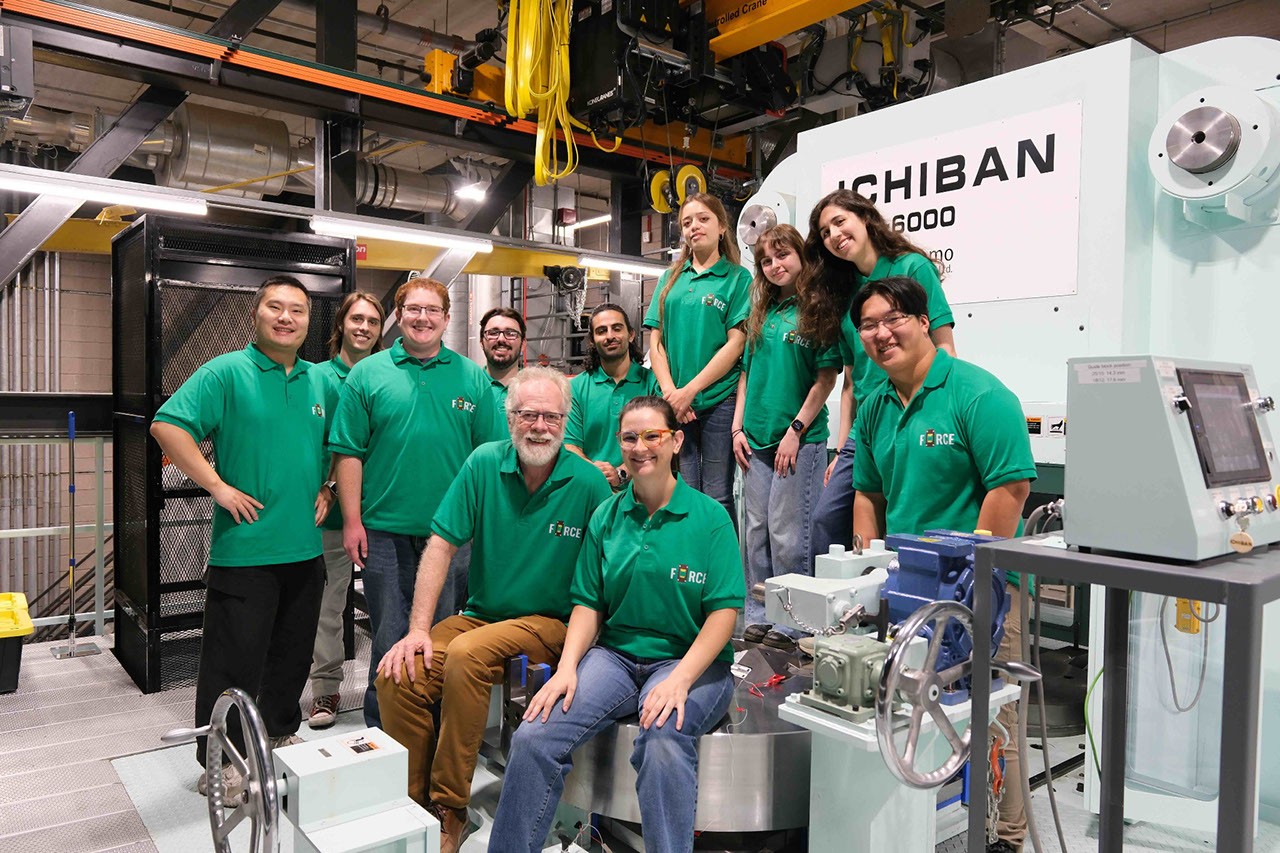
In Summer 2026, the NASA Science Mission Directorate’s Community of Practice for Education (SCoPE) collaborated with Arizona State University’s Facility for Open Research in a Compressed Environment (FORCE) Summer School to train seven undergraduate student interns in science communication. The initiative was designed to equip emerging planetary scientists with the practical skills required to share their research with diverse audiences, bridging the gap between technical laboratory work and public understanding.
The training programme centred on the FORCE laboratory, a facility that utilises high-pressure experimental equipment to recreate the extreme conditions found deep within Earth and other planetary bodies. This research is critical for helping scientists understand how planets form, evolve, and behave under immense pressures. By integrating communication training into the summer school experience, NASA SCoPE aimed to enhance the impact of the NASA Science Activation (SciAct) Program portfolio, which connects learners with authentic NASA science experiences through partnerships with educators and community organisations.
Workshops were held on June 25 and 26, followed by office hours the subsequent week, where interns received guidance on translating technical research into compelling narratives for non-expert audiences. The curriculum focused on identifying central themes, developing clear messages, planning visitor interactions, and managing the logistics of public engagement. Interns also received specific instruction on preparing research posters and designing individual outreach stations to effectively explain their findings.
The programme culminated in two distinct outreach events. The first was a FORCE Open House that welcomed approximately 50 members of the general public. Visitors toured the facility, met the research team, and explored the specialised equipment used to simulate planetary interiors. At themed outreach stations, interns interacted with the public to explain the science behind the experiments in accessible ways.
The second event was a poster session held for the ASU community, including faculty, staff, and students. This platform allowed the interns to present their research findings directly to academic peers, facilitating discussions and enabling them to receive constructive feedback on their presentations. The events demonstrated how structured communication training can strengthen researcher confidence while fostering stronger connections between cutting-edge planetary science and the broader community.
NASA SCoPE is supported by cooperative agreement award number 80NSSC21M0006. The partnership with ASU highlights the ongoing effort to prepare the next generation of scientists not only for rigorous experimental work but also for the responsibility of engaging the public with their discoveries.