NASA finalises coverage plans for Roman Space Telescope launch
The next-generation observatory is targeted for liftoff on 30 August 2026, with live coverage beginning at 6:20 a.m. EDT from Kennedy Space Center.
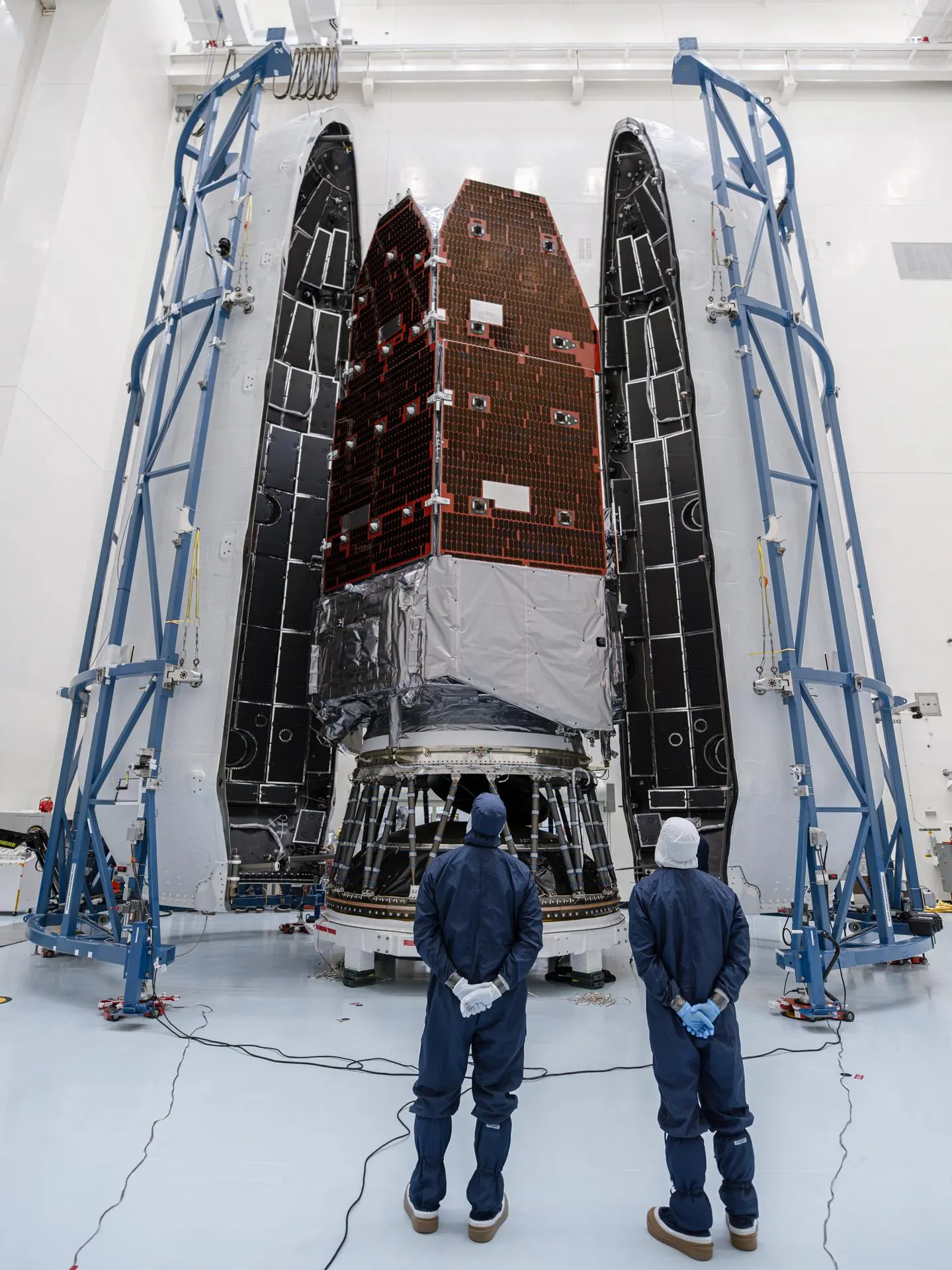
NASA has finalised its media coverage plans for the prelaunch and launch activities of the Nancy Grace Roman Space Telescope. The next-generation observatory, designed to explore dark energy and dark matter, is targeted for liftoff no earlier than 7:26 a.m. EDT on Sunday, 30 August 2026. The launch will take place aboard a SpaceX Falcon Heavy rocket from Launch Complex 39A at the Kennedy Space Center in Florida.
Live coverage of the event is scheduled to begin at 6:20 a.m. EDT, streaming through various platforms. The day’s schedule includes a mission science briefing at 9:00 a.m. and a prelaunch news conference at 10:30 a.m., both held at the NASA Kennedy Press Site. Media participants may ask questions in person or by phone, with limited space available in the auditorium for in-person attendance.
NASA Administrator Jared Isaacman is expected to fly past the telescope and rocket on the launchpad at 11:45 a.m. EDT, subject to weather and operational considerations. The flyby will be shown live on the same stream as the prelaunch news conference. A postlaunch news conference is scheduled for 9:30 a.m. EDT, while in-person interviews will be available at the NASA Kennedy Press News Center from 12:00 p.m.
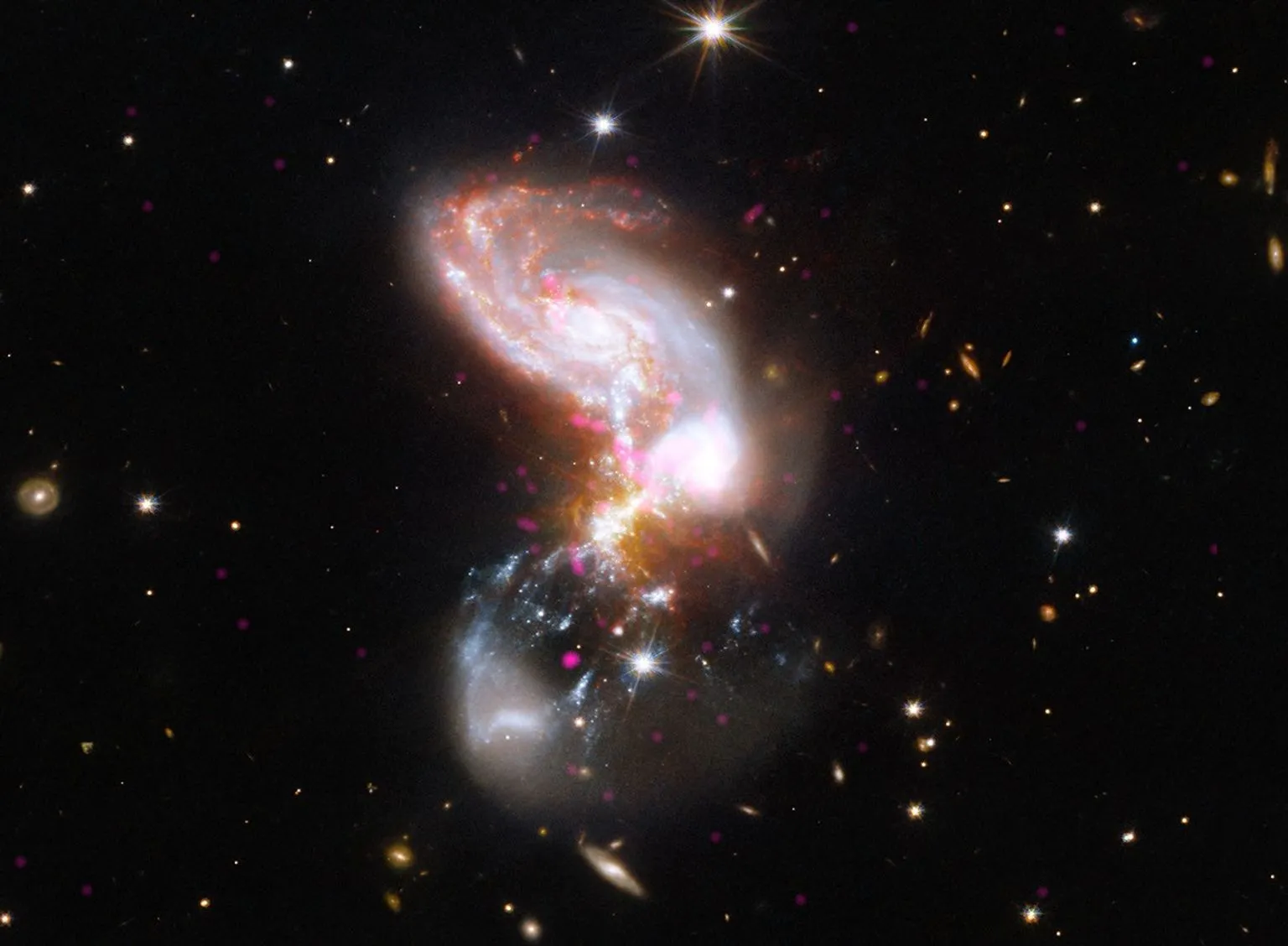
The Nancy Grace Roman Space Telescope is named after NASA’s first chief astronomer. It will pair sharp infrared vision with a field of view at least 100 times larger than the Hubble Space Telescope. Its surveys are designed to help scientists investigate dark energy and dark matter, discover exoplanets, map billions of galaxies, and study black holes.
After launch and separation from the rocket, Roman will travel to the second Sun-Earth Lagrange point, or L2, approximately one million miles from Earth. The mission has a five-year primary lifetime with a goal of operating for 10 years. Science data from the telescope will be publicly available after processing.
The mission is managed at NASA Goddard with participation from the Jet Propulsion Laboratory, Caltech/IPAC, and the Space Telescope Science Institute. International contributions are made by the European Space Agency, JAXA, CNES, and the Max Planck Institute for Astronomy. Members of the public can register for the NASA Virtual Guest Program to attend the launch virtually.