NASA extends Voyager 2 operational life with remote software update
The agency transmitted commands across 13 billion miles to manage power consumption and thermal requirements, preserving three remaining instruments for continued interstellar research.
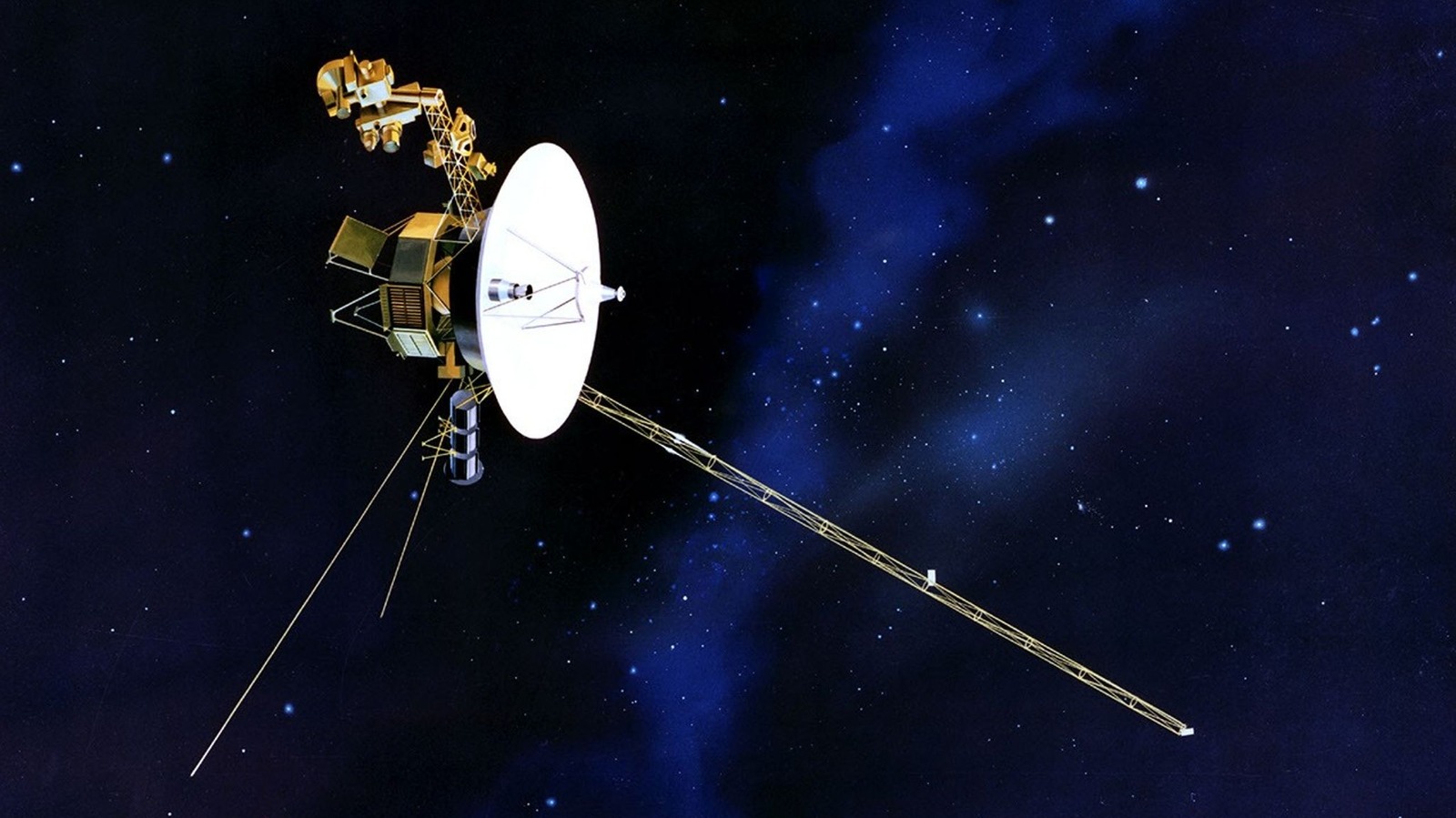
NASA has successfully executed a critical software update for the Voyager 2 spacecraft, securing an extension of its operational lifespan by one year. The mission, internally designated "Big Bang," involved transmitting commands across a distance of 13 billion miles to manage the probe's dwindling power resources and thermal requirements.
The 1977-era spacecraft currently operates with three functional scientific instruments, a significant reduction from the ten instruments active at launch. Without this intervention, NASA would have been forced to deactivate another instrument later this year. The update allows the remaining instruments to continue collecting data until next year.
The operation required precise management of the spacecraft's radioisotope thermoelectric generator, which converts heat from decaying plutonium into electricity. As the plutonium source depletes, the probe loses approximately 4 watts of power annually. The "Big Bang" procedure involved simultaneously switching off certain powered devices and replacing them with lower-power alternatives to conserve energy.
Engineers also had to ensure the spacecraft remained warm enough to function despite the reduction in active heating devices. This careful balancing act is essential for maintaining the integrity of the remaining systems as the probe continues its journey through interstellar space.
Voyager 2 launched approximately two weeks before its twin, Voyager 1, and reached Jupiter in 1979. It became the second human-made object to enter interstellar space in 2018, where it has been sending back data on plasma density and temperature outside the heliosphere. The success of this update ensures the probe will continue contributing to scientific understanding of the outer solar system and beyond for at least another twelve months.